

Rocket Companies Inc. stocks have been trading up by 8.62 percent amid strong housing demand and refinancing optimism.
Key Takeaways
- RKT posted Q3 adjusted EPS of $0.15, topping estimates of $0.13–$0.14 even as mortgage rates sat near three-year highs.
- Q3 revenue for Rocket Companies hit $3.28B versus $2.58B expected, with management calling out market share gains and the best profitability margin in nearly five years.
- RKT guided Q4 revenue to $2.10B–$2.30B, signaling steady performance after a blowout Q3 but giving traders more modest growth assumptions.
- Multiple firms trimmed RKT price targets to the mid-teens while keeping constructive ratings, and JPMorgan nudged its target up to $13 with a Neutral stance.
- Redfin, now under Rocket Companies, is tracking a cooler but more balanced housing market and rolling out the “Iconic Homes of America” marketing push to drive engagement.
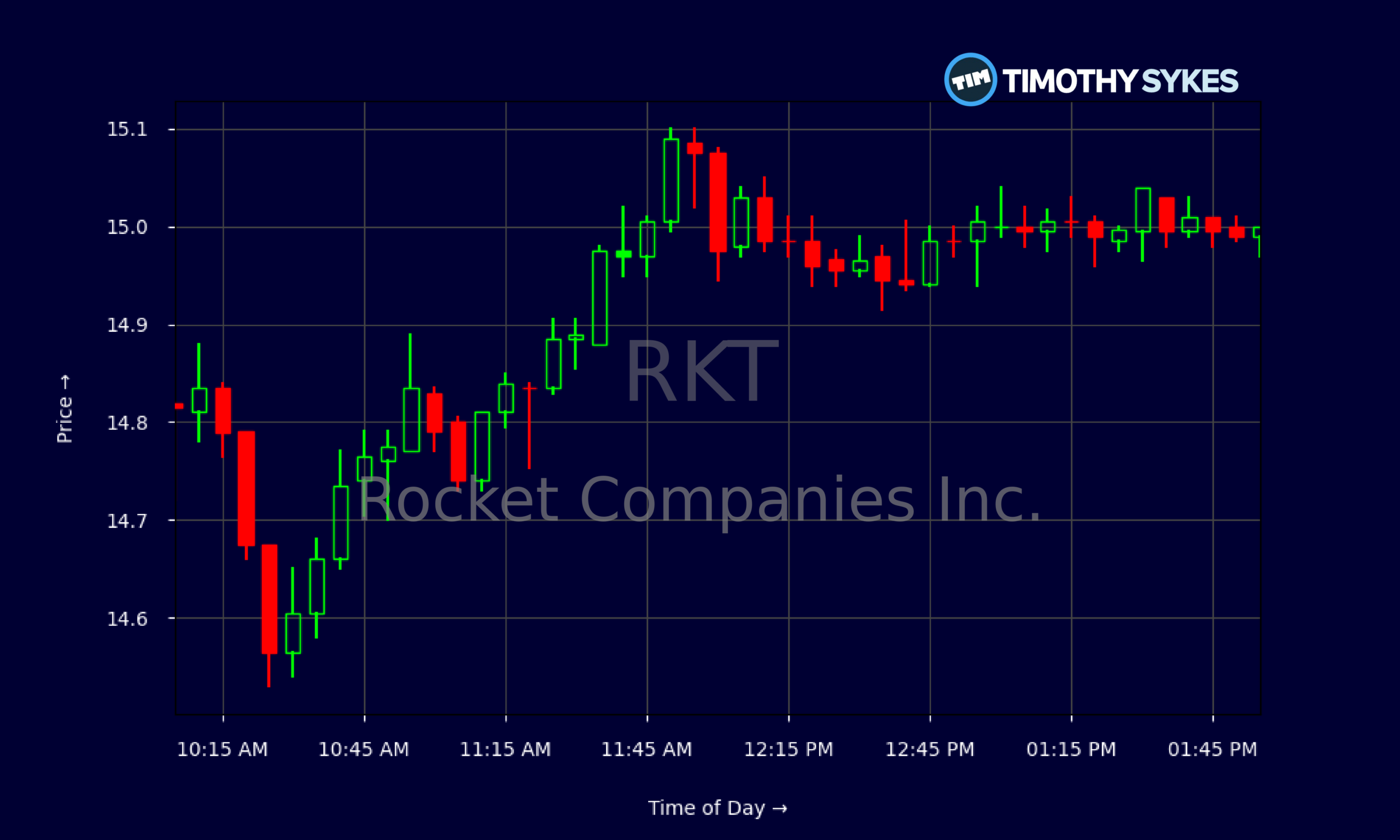
Live Update At 14:02:21 EST: On Wednesday, November 04, 2026 Rocket Companies Inc. stock [NYSE: RKT] is trending up by 8.62%! Discover the key drivers behind this movement as well as our expert analysis in the detailed breakdown below.
Quick Financial Overview
Rocket Companies and its ticker RKT just delivered the kind of quarter traders pay attention to. On the tape, the stock has shifted from a sleepy grind around $10–$11 in mid-October 2026 to a surge above $15 by 2026/11/04. That is a strong breakout in a few weeks, and it lines up with the Q3 earnings beat.
On the fundamentals side, RKT posted Q3 adjusted EPS of $0.15 and revenue around $3.28B, both ahead of Street expectations. Management says profitability is at its highest level in nearly five years, even with mortgage rates near a three‑year high. For a mortgage-heavy name, that is a big statement.
Valuation is not cheap, with a P/E near 52 and price-to-sales around 3.6. But RKT also prints about $6.26B in trailing revenue and has turned on serious cash-flow power, with roughly $1.86B in free cash flow in the latest quarter. The intraday action around $15 shows tight trading ranges and steady bids, which usually means strong hands are in control, not wild day-trader churn.
More Breaking News
For active traders, that combination—earnings momentum, technical breakout, and decent Street support—puts RKT firmly on the watchlist.
Why Traders Are Watching RKT After Earnings
Traders are zoning in on RKT because the Q3 report from Rocket Companies checked almost every box for a momentum setup. Revenue of $3.28B smashed the $2.58B consensus. Adjusted EPS doubled year over year and edged past expectations. Management then layered on commentary about market share gains in both purchase and refinance, plus the best profit margin in nearly five years.
That is happening while mortgage payments are painfully high across the U.S. According to Redfin, now part of Rocket Companies, the housing market just saw its first year-over-year drop in median home-sale prices in more than three years. Demand is softer, inventory is up, and sellers are cautious. In short, the macro tape is not easy, yet RKT is gaining ground. That matters to traders who care more about relative strength than headlines.
The one “hair” on the quarter is guidance. Rocket Companies guided Q4 revenue to $2.10B–$2.30B. Solid, but not another blowout. The market responded with some after-hours pressure, a classic “beat but guide conservative” reaction. This is where disciplined traders perk up. When a name like RKT posts superior execution, then the bar for the next quarter gets reset lower, it often sets up tradable swings if sentiment gets too cautious.
On the Street, Stephens and Keefe Bruyette trimmed their RKT price targets to $16 but kept Overweight/Outperform calls. RBC cut to $14 with a Sector Perform, while JPMorgan inched its target up to $13 and stayed Neutral. The message is clear: the debate is about how much upside, not whether the story is broken.
Meanwhile, Rocket Companies is working the long game with Redfin. The “Redfin Presents Iconic Homes of America” content push through 2027 is about pulling more eyeballs into the ecosystem—exactly the kind of pipeline-building that can quietly support RKT’s lead flow and cross-selling over time.
Conclusion
For traders, RKT right now is a clean example of strong fundamentals meeting an improving chart. Rocket Companies has shown it can grow earnings and fatten margins even while the broader housing market cools and buyers finally gain a bit more leverage. Revenue well ahead of expectations, rising profitability, and hefty free cash flow all give the bull case real substance, not just hype.
Technically, the move from the low $11s to around $15 in a short window shows buyers in control. The intraday five-minute chart is almost boring in the best way—tight candles, minimal wicks, and a steady staircase higher. That is classic accumulation behavior. At the same time, Q4 guidance of $2.10B–$2.30B for Rocket Companies acts as a built-in speed bump, keeping expectations contained and giving RKT room to surprise again.
The Street’s mixed-but-tilted-positive stance—with several firms holding bullish ratings around $14–$16 and JPMorgan nudging its target up—gives traders a rough sentiment map. Add Redfin’s read on a more balanced housing market and its new marketing franchise, and RKT looks like a player building a platform, not just riding a rate cycle.
As Tim Sykes likes to say, “The market rewards prepared traders, not hopeful ones.” As millionaire penny stock trader and teacher Tim Sykes, says, “Embrace the journey, the ups and downs; each mistake is a lesson to improve your strategy.”. With Rocket Companies, the preparation means tracking earnings trends, guidance, and how RKT trades around key price levels—then cutting losses fast if the story or the chart cracks. This article is for educational and research purposes only, but for serious traders, RKT is a name worth studying closely.
This is stock news, not investment advice. Timothy Sykes News delivers real-time stock market news focused on key catalysts driving short-term price movements. Our content is tailored for active traders and investors seeking to capitalize on rapid price fluctuations, particularly in volatile sectors like penny stocks. Readers come to us for detailed coverage on earnings reports, mergers, FDA approvals, new contracts, and unusual trading volumes that can trigger significant short-term price action. Some users utilize our news to explain sudden stock movements, while others rely on it for diligent research into potential investment opportunities.
Dive deeper into the world of trading with Timothy Sykes, renowned for his expertise in penny stocks. Explore his top picks and discover the strategies that have propelled him to success with these articles:
- Penny Stocks Trading Guide
- Best Penny Stocks Under $1 to Buy Today
- Top 8 Penny Stocks to Watch on Robinhood
Once you’ve got some stocks on watch, elevate your trading game with StocksToTrade the ultimate platform for traders. With specialized tools for swing and day trading, StocksToTrade will guide you through the market’s twists and turns.
Dig into StocksToTrade’s watchlists here:





Leave a reply