

Stellantis N.V. stocks have been trading down by -4.56 percent amid heightened concerns over profit margins and EV transition challenges.
Key Takeaways
- The EU plans a 350,000-car annual cap on Chinese hybrid imports from 2026/12/01, pressuring automakers relying on China-based hybrid production for Europe.
- HSBC cut its price target on Stellantis from EUR 4 to EUR 3.30, reiterating a Reduce rating and flagging ongoing inventory problems ahead of Q3.
- Planned 2026 production in Italy is seen down about 10%, with Mirafiori halts cutting total output to roughly 450,000 units and slashing hybrid Fiat 500 volumes.
- Canadian union Unifor members at Stellantis backed strike authorization by 97.3%, with Windsor plant production already canceled through at least the week of 2026/11/02.
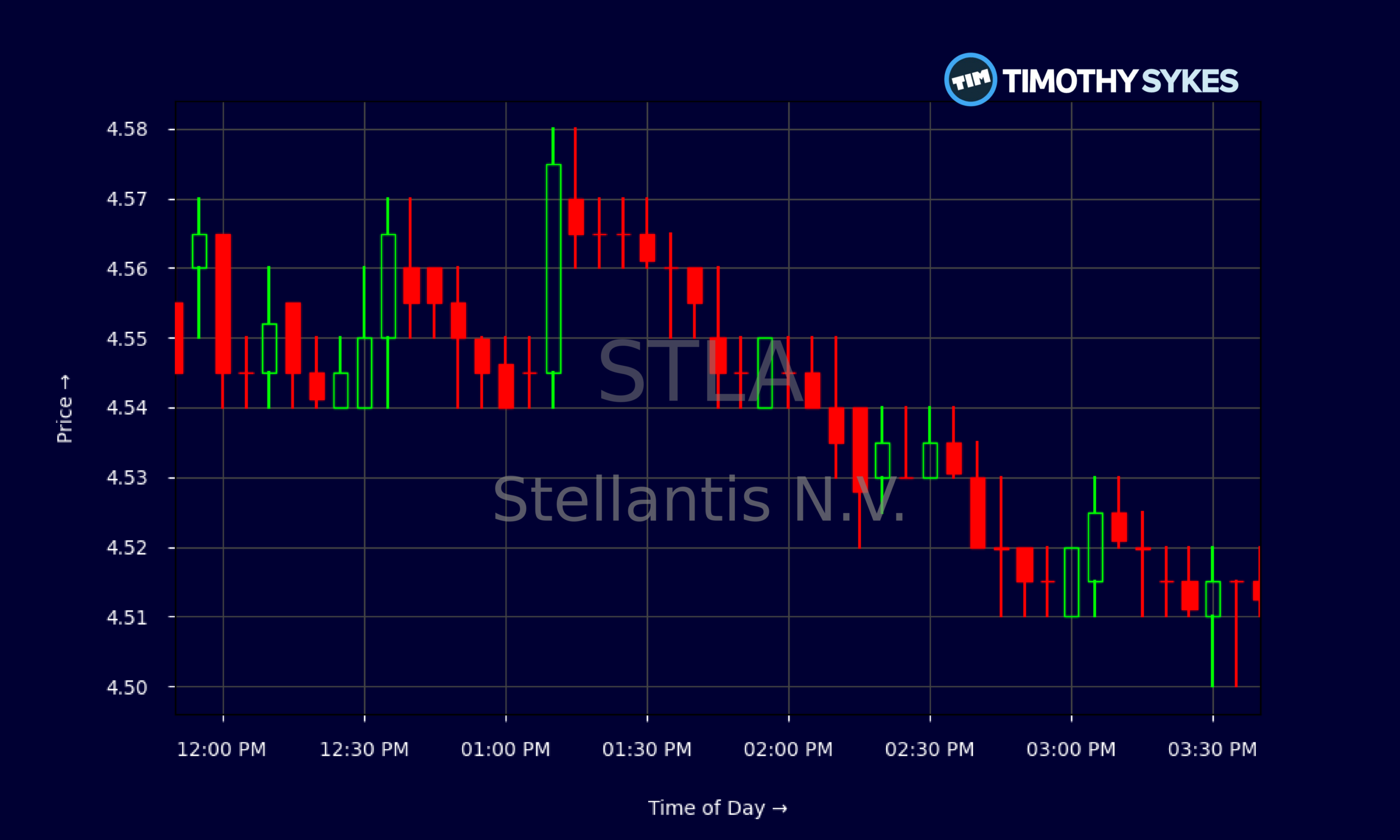
Live Update At 15:47:05 EST: On Tuesday, November 03, 2026 Stellantis N.V. stock [NYSE: STLA] is trending down by -4.56%! Discover the key drivers behind this movement as well as our expert analysis in the detailed breakdown below.
Quick Financial Overview
STLA has been grinding lower on the chart, and the tape tells the story. Over the recent multi-week stretch, Stellantis N.V. slipped from around 4.58 to roughly 4.51, with the latest close near 4.505. That’s a steady fade, not a panic flush, which often signals controlled selling and cautious trading rather than capitulation.
Intraday, STLA spent most of the session stuck in a tight band between 4.50 and 4.55. Every small push above 4.60 in the morning got sold into, and by the close the stock sat near the day’s lows. For short-term traders, that intraday pattern screams “supply overhead” and weak demand at higher levels.
More Breaking News
Fundamentally, Stellantis is not a tiny operation. Revenue is about $153.5B, with an enterprise value near $38.05B and a rock-bottom price-to-sales ratio around 0.07. STLA also carries book value per share near 18.48, far above the current price zone, plus more than $31.3B in cash and equivalents against total assets of $195.15B. But return on capital near -20.21 shows the market’s problem: huge scale, but efficiency and profitability questions. For traders, the mismatch between size and weak returns helps explain why STLA’s rallies keep getting sold.
Why Traders Are Watching STLA Now
STLA is sitting in the crosshairs of several negative headlines at once, and active traders are paying attention. The most direct hit to sentiment came from HSBC, which cut its price target on Stellantis from EUR 4 to EUR 3.30 and kept a Reduce rating. When a major bank lowers its target and still tells clients to stay cautious, that often caps upside in the stock until the company proves the bears wrong. HSBC singled out inventory problems heading into Q3, which usually means margin pressure and discounting risk.
At the same time, Stellantis N.V. is reshaping its European footprint. STLA is expected to cut planned 2026 vehicle production in Italy by about 10%. Mirafiori plant halts should drag total Italian output down to roughly 450,000 units, with hybrid Fiat 500 volumes dropping from 100,000 to 60,000. That’s a big reset for a key hybrid nameplate. Traders read production cuts like this as a demand tell and a signal that management is bracing for slower growth or tighter profitability in Europe.
On top of that, STLA has to navigate a new regulatory wave. The EU is preparing a 350,000‑car annual cap on imports of Chinese hybrid vehicles, kicking in as early as 2026/12/01 and then growing only 6% per year after year two. For Stellantis, which uses global platforms and supply chains, that cap complicates any strategy built around Chinese-made hybrids for Europe. It introduces volume uncertainty and potential cost increases if sourcing must shift.
Finally, labor risk is flaring in North America. Unifor members at Stellantis voted 97.3% to authorize strike action after talks stalled, and production at the Windsor assembly plant is already canceled through at least the week of 2026/11/02. Even without a legal strike in place yet, STLA is dealing with real output disruption. For short-term traders, combining analyst downgrades, production cuts, regulatory caps, and labor tensions makes STLA a textbook headline-driven, sentiment-heavy chart to monitor.
Conclusion
STLA is a classic case of a big, cheap auto name facing a wall of operational and policy headwinds. On paper, Stellantis N.V. has scale, a diversified brand portfolio, and a fortress-sized balance sheet with over $31.3B in cash. Yet the market is focused on execution risk: production cuts in Italy, a sharp drop in planned hybrid Fiat 500 volumes, a looming EU cap on Chinese hybrid imports, and labor unrest in Canada already hitting Windsor output.
For traders, that combination explains why each bounce in STLA has been short-lived. A Reduce rating and lower price target from HSBC reinforce the bearish narrative around inventory management and near-term earnings. Until Stellantis shows cleaner demand trends and smoother labor relations, the stock is likely to trade more on headlines and macro auto sentiment than on deep value metrics.
This is where disciplined trading rules matter. As Tim Sykes likes to say, “The market doesn’t care about your opinion, only your preparation.” As millionaire penny stock trader and teacher Tim Sykes, says, “There is always another play around the corner; don’t chase just because you feel FOMO.”. STLA offers plenty of volatility and news flow, but it also demands a plan: know your levels, respect the trend, and cut losses fast if the tape confirms the bearish story instead of the turnaround. This article is for educational and research purposes only and is not investment advice.
This is stock news, not investment advice. Timothy Sykes News delivers real-time stock market news focused on key catalysts driving short-term price movements. Our content is tailored for active traders and investors seeking to capitalize on rapid price fluctuations, particularly in volatile sectors like penny stocks. Readers come to us for detailed coverage on earnings reports, mergers, FDA approvals, new contracts, and unusual trading volumes that can trigger significant short-term price action. Some users utilize our news to explain sudden stock movements, while others rely on it for diligent research into potential investment opportunities.
Dive deeper into the world of trading with Timothy Sykes, renowned for his expertise in penny stocks. Explore his top picks and discover the strategies that have propelled him to success with these articles:
- Penny Stocks Trading Guide
- Best Penny Stocks Under $1 to Buy Today
- Top 8 Penny Stocks to Watch on Robinhood
Once you’ve got some stocks on watch, elevate your trading game with StocksToTrade the ultimate platform for traders. With specialized tools for swing and day trading, StocksToTrade will guide you through the market’s twists and turns.
Dig into StocksToTrade’s watchlists here:





Leave a reply