

Nokia Corporation Sponsored stocks have been trading up by 3.66 percent amid optimism over strong 5G network contract wins.
Key Takeaways
- Q3 comparable EPS landed at €0.09 in line with expectations, while revenue reached €5.15B vs €5.07B consensus, with 9% net sales growth and 220 bps margin expansion plus faster Infinera integration.
- The company guided for a strong Q4, targeting 20%–24% quarter‑over‑quarter revenue growth and higher operating profit, while keeping a regular €0.03 quarterly dividend.
- Rosenblatt and JPMorgan slightly trimmed their NOK price targets but kept Buy/Overweight ratings, calling the recent share pullback an overreaction versus Nokia’s improving fundamentals.
- BofA flags SpaceX’s planned terrestrial Starlink buildout of 80,000+ U.S. cell sites and roughly $6B of expected RAN spend, seeing Nokia as a key potential beneficiary.
- Nokia is pushing deeper into AI and cloud RAN through work with Nvidia, T‑Mobile, SoftBank, and Cadence’s AuraStack AI Super Agent to speed design and automation.
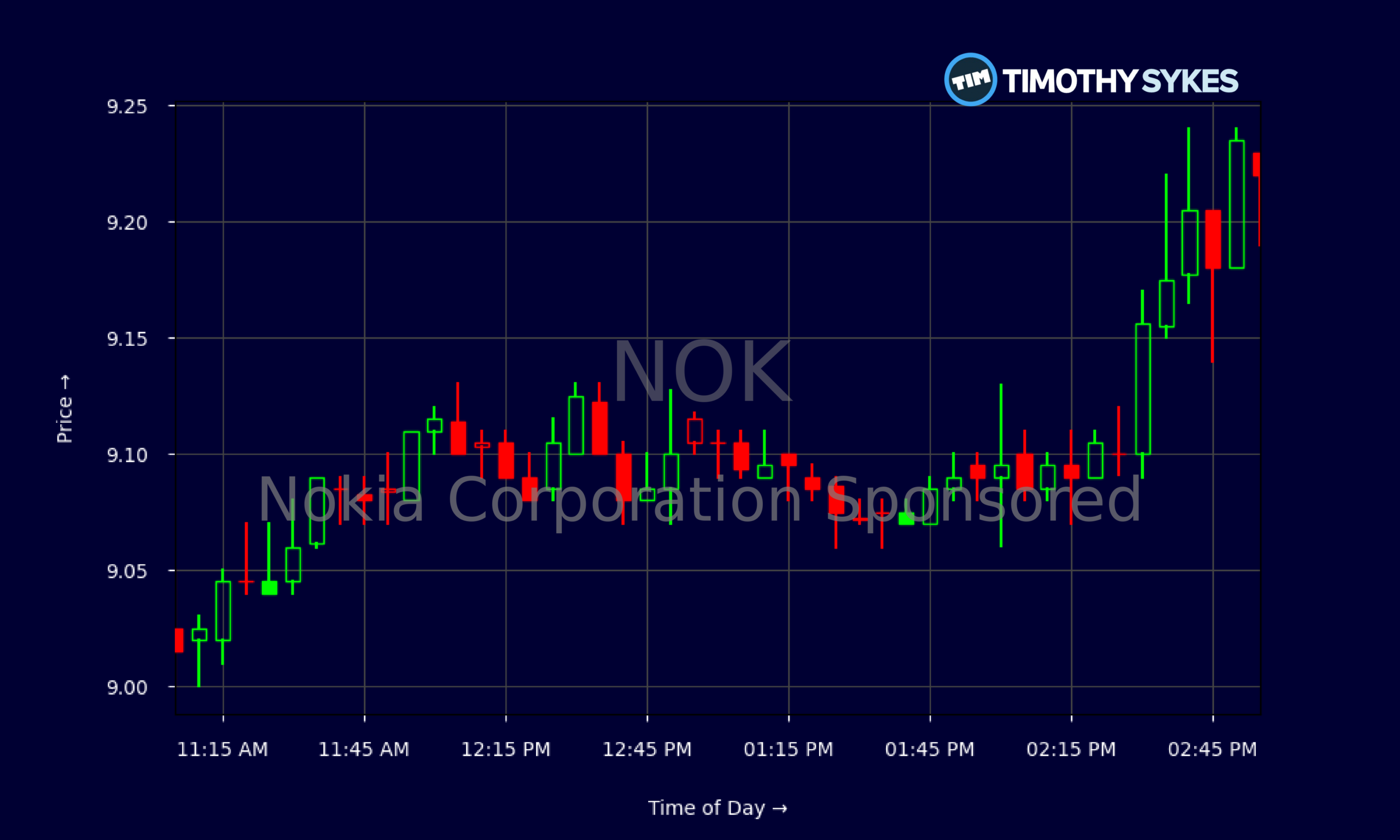
Live Update At 15:03:21 EDT: On Wednesday, October 28, 2026 Nokia Corporation Sponsored stock [NYSE: NOK] is trending up by 3.66%! Discover the key drivers behind this movement as well as our expert analysis in the detailed breakdown below.
Quick Financial Overview
NOK has spent October trading like a coiled spring. After sliding from above $10 early in the month down toward the mid‑$8s, Nokia shares have snapped back, closing at $9.215 on 2026/10/28. That’s a steady grind higher over the past three sessions, with NOK reclaiming lost ground after a sharp post‑earnings selloff.
On the tape, Nokia’s intraday action shows tight, controlled trading. Most 5‑minute candles on the latest session are clustered around $9.05–$9.20, with very little range expansion. For active traders, that usually signals accumulation rather than panic — buyers quietly absorbing supply.
More Breaking News
Fundamentally, NOK’s Q3 numbers back that picture up. Nokia posted Q3 revenue of €5.15B versus €5.07B consensus, net sales grew 9%, and comparable operating margin widened by 220 basis points. Comparable EPS came in at €0.09, right in line with expectations, showing stable profitability. Management also kept a regular €0.03 dividend, and key ratios like a price‑to‑sales around 2.6 and price‑to‑book near 2.5 point to a telecom hardware name that is not priced like a deep value leftover anymore. For traders, that combination — stabilizing chart, solid revenue beat, and confirmed capital return — sets the stage for momentum if fresh catalysts keep hitting.
Why Traders Are Watching NOK Right Now
NOK is back on radar screens because the story is more than just “old telecom gear maker.” The latest news flow ties Nokia straight into some of the most aggressive network buildouts and AI themes on the market.
First, the SpaceX angle. BofA calls out SpaceX’s plan to roll out a terrestrial Starlink network with more than 80,000 U.S. cell sites. They estimate about $6B of incremental radio access network spend tied to this build. In that framework, Nokia is named as a key RAN supplier that could benefit. Another report lists Ericsson and Nokia as primary RAN vendors positioned to supply hardware and software for that Starlink‑driven, tower‑leasing and direct‑to‑device setup. For traders, that’s optionality — a potential new stream of demand sitting completely outside the typical carrier capex cycle.
At the same time, NOK’s core business is executing. Nokia guided Q4 revenue to grow 20%–24% quarter over quarter, with operating profit expected to push above the midpoint of its full‑year comparable profit outlook. Nokia also accelerated integration of Infinera, now targeting €200M in net synergies by end‑2026, one year ahead of plan. That speaks directly to cost discipline.
Layer on the AI‑RAN push. Nokia is working with Nvidia and T‑Mobile on a live AI‑RAN call and pilots running its anyRAN software on Nvidia hardware, plus incorporating Nvidia models into automation tools. Nokia also has a 2027 AI‑RAN trial lined up with SoftBank and is using Cadence’s AuraStack AI Super Agent internally to speed complex hardware design. For traders who chase AI‑adjacent momentum, NOK suddenly looks much more “future‑proofed” than its slow chart sometimes suggests.
Conclusion
Put it all together and NOK looks like a turnaround‑plus‑catalysts story rather than a fading 5G relic. Nokia delivered Q3 revenue ahead of consensus, posted 9% net sales growth, expanded margins, and kept EPS in line at €0.09, all while reaffirming a regular €0.03 dividend. Guidance for 20%–24% Q4 revenue growth and a stronger operating profit profile shows management is not hunkering down; they are leaning into demand.
On the street, Rosenblatt trimmed its price target to $14 from $15 but kept a Buy rating, calling the roughly 15% post‑earnings drop an overreaction tied to broader AI infrastructure selling and credit‑spread worries rather than NOK‑specific weakness. JPMorgan also nudged its target slightly lower, to $20.50 from $21, but stayed Overweight and highlighted growing opportunities in scale‑out and data‑center‑style markets. Analysts, in other words, still see Nokia as a key player in next‑gen networks.
For active traders, the game now is all about execution versus expectations. Does Q4 hit that 20%+ growth band? Do we see concrete Starlink RAN orders or more AI‑RAN milestones with Nvidia, T‑Mobile, and SoftBank? As Tim Sykes likes to hammer home, “The market doesn’t care about your opinion, only about catalysts and price action.” That mindset ties directly into risk management for NOK‑focused trading: As millionaire penny stock trader and teacher Tim Sykes, says, “It’s not about how much money you make; it’s about how much money you keep.”. For NOK, the catalysts are lining up. The tape will tell the rest of the story.
This is stock news, not investment advice. Timothy Sykes News delivers real-time stock market news focused on key catalysts driving short-term price movements. Our content is tailored for active traders and investors seeking to capitalize on rapid price fluctuations, particularly in volatile sectors like penny stocks. Readers come to us for detailed coverage on earnings reports, mergers, FDA approvals, new contracts, and unusual trading volumes that can trigger significant short-term price action. Some users utilize our news to explain sudden stock movements, while others rely on it for diligent research into potential investment opportunities.
Dive deeper into the world of trading with Timothy Sykes, renowned for his expertise in penny stocks. Explore his top picks and discover the strategies that have propelled him to success with these articles:
- Penny Stocks Trading Guide
- Best Penny Stocks Under $1 to Buy Today
- Top 8 Penny Stocks to Watch on Robinhood
Once you’ve got some stocks on watch, elevate your trading game with StocksToTrade the ultimate platform for traders. With specialized tools for swing and day trading, StocksToTrade will guide you through the market’s twists and turns.
Dig into StocksToTrade’s watchlists here:





Leave a reply