
Micron Technology Inc. stocks have been trading up by 3.24 percent amid upbeat chip demand forecasts and AI-driven optimism
Key Takeaways Traders Need To Know
- Record DRAM and NAND pricing tied to AI data centers pushed Micron to all‑time high quarterly and full‑year revenue, with guidance pointing to more growth even as smartphones slump.
- Street heavyweights RBC, Wedbush, and Fubon stay bullish on MU, with price targets between $1,260 and $1,500 based on Micron Technology Inc.’s AI memory roadmap and 10nm-class DRAM leadership.
- A labor deal with the Taichung union removed strike risk at a key Micron Taiwan fab, sending the stock up more than 3% premarket as traders welcomed lower disruption risk.
- Part of Micron’s up-to-$3B U.S. supply-chain plan is going into Indium Corporation’s critical minerals refining in New York, securing U.S.-based inputs for advanced memory near future MU fabs.
- Over $67M in fresh Idaho community spending underlines Micron’s long-term U.S. manufacturing build‑out, from transport upgrades to affordable housing support.
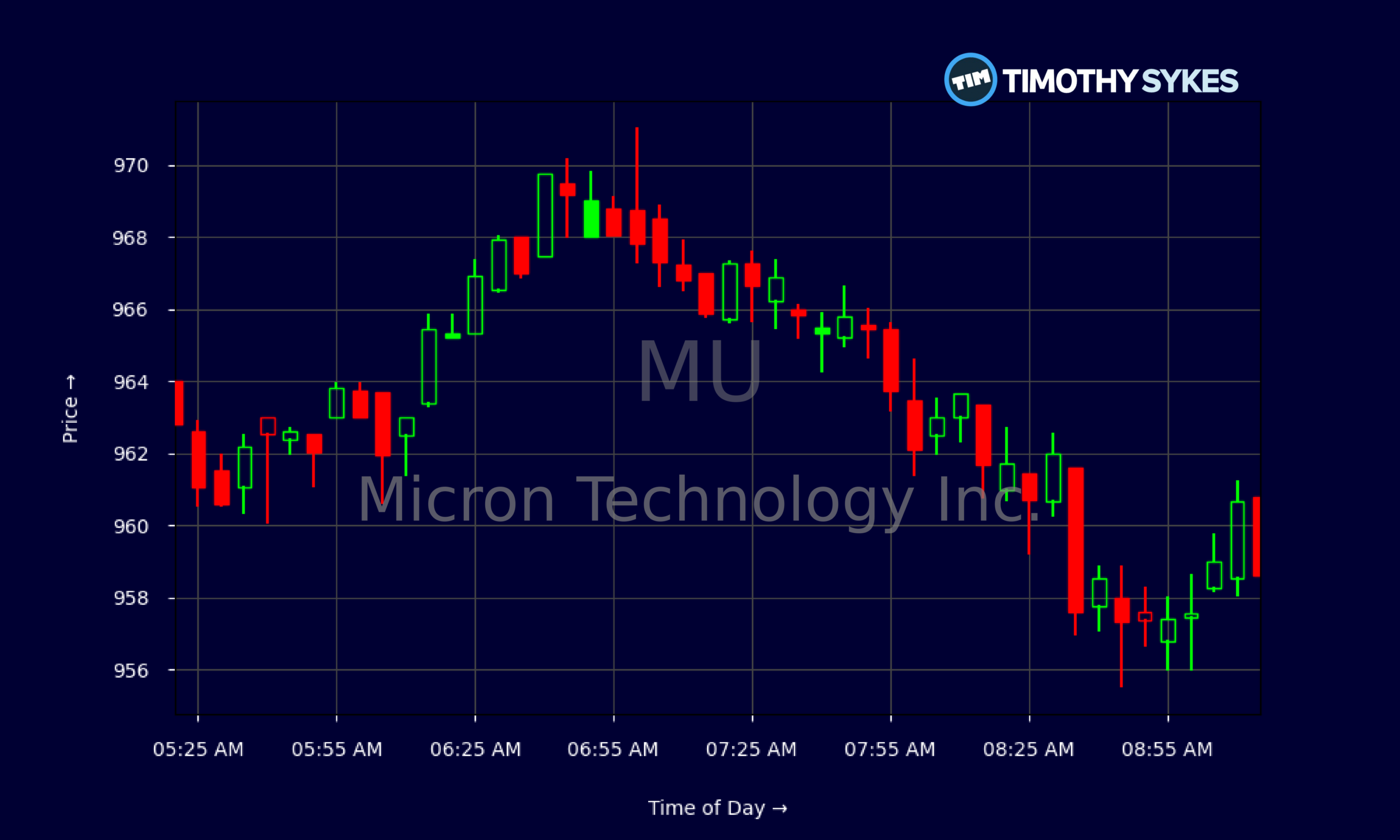
Live Update At 09:19:42 EDT: On Wednesday, October 28, 2026 Micron Technology Inc. stock [NASDAQ: MU] is trending up by 3.24%! Discover the key drivers behind this movement as well as our expert analysis in the detailed breakdown below.
Quick Financial Overview
For traders, MU now trades like a high‑growth AI hardware proxy, not an old-school memory cyclical. The recent tape backs that up. After a sharp drop from above $1,000 to a low around $856 on 2026/10/22, Micron Technology Inc. quickly bounced, closing at $928.76 on 2026/10/27. That’s a fast recovery of roughly 8% from the recent low, with higher lows forming across several sessions.
Under the hood, Micron’s fundamentals are unusually strong for a memory name. The latest quarter shows about $54.2B in revenue and roughly $37.7B in net income, driving a profit margin near 56%. Gross margin sits above 70%, and EBIT margin is around 66%. MU is throwing off serious cash too, with about $44B in operating cash flow and a clean balance sheet: debt-to-equity is near 0.06, and the current ratio is about 3.4.
More Breaking News
At roughly 23x earnings and a price‑to‑sales near 12.9, Micron trades at a premium to its own history, but returns on equity above 60% and strong AI-driven revenue growth explain why traders are still willing to pay up.
Why Traders Are Watching MU Momentum
MU is sitting at the center of the AI hardware story, and the news flow lines up almost perfectly with the chart. Micron just posted record quarterly and full‑year revenue thanks to booming DRAM and NAND demand from AI data centers, even while smartphone shipments slumped. For active trading, that means the story is shifting from “cyclical memory” to “AI capacity bottleneck.”
On the Street, the tone around Micron Technology Inc. is aggressive. RBC Capital Markets reiterated an outperform and a $1,500 target, pointing at MU’s AI‑first roadmap: on‑processor stacked memory and >400‑layer flash with about double today’s density. Wedbush backed that up with a $1,400 target even after a 5.7% drop, calling Micron’s move to advanced 10nm‑class DRAM nodes a leadership position, not a risk. Fubon jumped in with a new Buy rating and a $1,260 target, while the average target around $1,605 suggests analysts, as a group, still see double‑digit upside.
Short‑term trading action reflects that confidence. MU has recently stacked a 2.5% gain followed by another 1.1% premarket move, and separate sessions saw 3%–4% rebounds alongside Intel and Broadcom in a broader chip rally. Another day, Micron added 1.7% premarket after a 3% gain as WallStreetBets chatter kicked in. That tells traders there’s now a speculative layer on top of the fundamental story, which often amplifies intraday swings.
On the risk side, a potential first‑ever Taiwan semiconductor strike at a Micron plant briefly raised operational alarms. But Micron’s Taiwan subsidiary and the Taichung union locked in a labor‑management deal, lifting MU more than 3% premarket and removing a key overhang. Rosenblatt also pushed back on China fears, calling the selloff after CXMT’s DDR5 RDIMM announcement overdone and reiterating a Buy on Micron, arguing DRAM demand is structurally improving.
All of this lands as Micron and Nvidia are expected to drive a big slice of S&P 500 profit growth in Q3 — another reason traders are glued to MU ahead of future earnings.
Conclusion
For active traders, Micron Technology Inc. is now a classic momentum‑meets‑fundamentals setup. MU’s record revenue, fat margins, and strong cash generation show that AI data‑center demand is more than hype — it’s already reshaping the company’s earnings power. At the same time, Micron is shoring up its future by spending part of an up‑to‑$3B U.S. supply‑chain program to expand Indium Corporation’s critical mineral refining in New York and committing over $67M to Idaho infrastructure and housing tied to its expansion. That kind of capex and community spend usually signals a long runway, not a short‑term spike.
On the tape, MU has rebounded sharply from its late‑October pullback, with premarket pops tied to sector strength, WallStreetBets buzz, and the resolution of the Taiwan labor dispute. Volatility remains high, which is exactly what short‑term traders want — but it also means risk management has to be tight. Analyst targets from $1,260 to $1,500, plus Rosenblatt’s view that CXMT‑driven selling was overdone, add fuel to the bull case, yet nothing moves in a straight line.
The lesson for anyone studying MU’s run is the same one Tim Sykes drills into his students: “The market rewards preparation, not prediction — react to what the chart and news actually show you, and always cut losses quickly.” As millionaire penny stock trader and teacher Tim Sykes says, “Embrace the journey, the ups and downs; each mistake is a lesson to improve your strategy.”. For Micron, the news and the numbers are strong right now, but disciplined trading will matter more than any single headline. This coverage is for educational and research purposes only and is not investment advice.
This is stock news, not investment advice. Timothy Sykes News delivers real-time stock market news focused on key catalysts driving short-term price movements. Our content is tailored for active traders and investors seeking to capitalize on rapid price fluctuations, particularly in volatile sectors like penny stocks. Readers come to us for detailed coverage on earnings reports, mergers, FDA approvals, new contracts, and unusual trading volumes that can trigger significant short-term price action. Some users utilize our news to explain sudden stock movements, while others rely on it for diligent research into potential investment opportunities.
Dive deeper into the world of trading with Timothy Sykes, renowned for his expertise in penny stocks. Explore his top picks and discover the strategies that have propelled him to success with these articles:
- Penny Stocks Trading Guide
- Best Penny Stocks Under $1 to Buy Today
- Top 8 Penny Stocks to Watch on Robinhood
Once you’ve got some stocks on watch, elevate your trading game with StocksToTrade the ultimate platform for traders. With specialized tools for swing and day trading, StocksToTrade will guide you through the market’s twists and turns.
Dig into StocksToTrade’s watchlists here:





Leave a reply