

Davion Healthcare Plc stocks have been trading up by 25.67 percent amid strong optimism over its latest healthcare expansion news.
Key Takeaways
- DAVI has dropped from a recent high near $12 to about $3, showing heavy selling and sharp volatility on the daily chart.
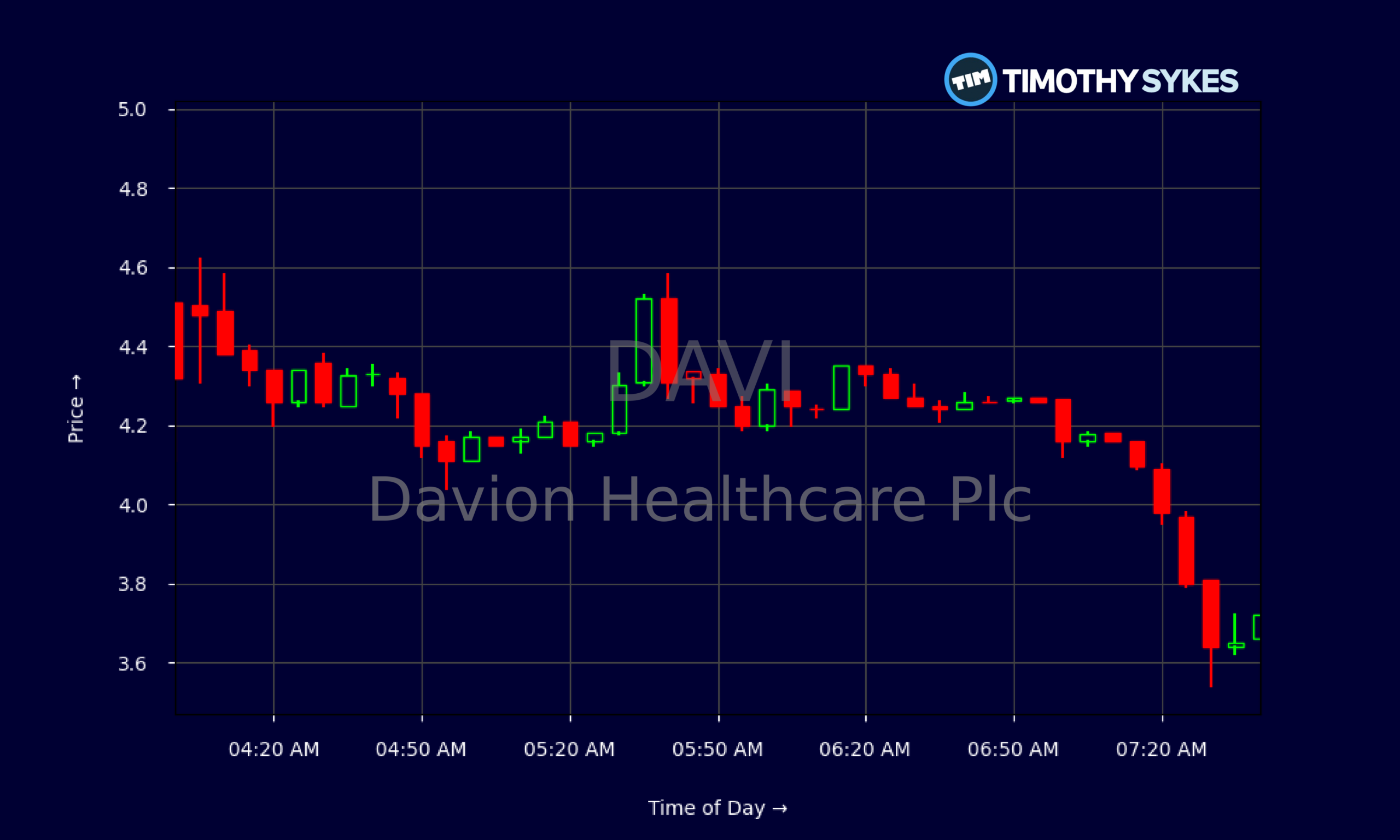
- Intraday trading in DAVI now shows tighter, choppy action between roughly $3.60 and $4.30 as traders reassess risk.
- Davion Healthcare Plc carries about $2.3M in assets and just over $1M in liabilities, with equity near $1.3M.
- DAVI’s balance sheet is dominated by goodwill and intangibles, while cash is minimal, raising questions about financial flexibility.
- Active traders are watching whether DAVI can hold the $3 area or if another leg down develops.
Live Update At 07:47:50 EDT: On Wednesday, October 28, 2026 Davion Healthcare Plc stock [NASDAQ: DAVI] is trending up by 25.67%! Discover the key drivers behind this movement as well as our expert analysis in the detailed breakdown below.
Quick Financial Overview
DAVI has been trading like a classic momentum flame-out. On 2026/10/22, Davion Healthcare Plc closed near $11.65 after hitting a high around $12.30. Four sessions later, DAVI ended at $3, turning that vertical spike into a steep round trip. For short-term traders, that’s a textbook blow-off top followed by a brutal unwind.
The balance sheet behind DAVI is tiny. Total assets sit near $2.3M, with total liabilities close to $1.0M and equity around $1.3M. On paper, Davion Healthcare Plc is not drowning in debt, but it also has almost no cushion. Cash is listed at only about $1,058, a rounding error for most listed names. Most of the asset base is goodwill and other intangibles, over $2.1M of the total.
More Breaking News
That mix tells traders two things. First, DAVI is highly speculative; the market is trading the story and the chart, not strong fundamentals. Second, any serious funding need or business setback could matter fast because there isn’t a big cash pile or hard-asset backing.
Why Traders Are Watching DAVI’s Wild Price Action
DAVI has been on a rollercoaster that momentum traders know well. Davion Healthcare Plc went from a push into the low teens to a close at $6 on 2026/10/23, then to $4.07, and now to $3. That’s a series of lower closes, each one confirming that early buyers are bailing and late longs are trapped. For traders, DAVI now lives in the “former runner” category.
Zoom in to the intraday tape and you see the character change. Early in the session DAVI was printing around $4.50 to $4.90, then bled lower into the $4.20–$4.30 zone, and by later 5‑minute candles, Davion Healthcare Plc slipped toward $3.60–$3.80. That intraday fade, paired with shrinking ranges, often signals a momentum unwind shifting into consolidation.
Short sellers watching DAVI will see clear resistance overhead near $4.50–$5 from the morning spike. Long-biased traders studying Davion Healthcare Plc will focus on the $3 area as key support, since that’s the current daily close and psychological round number.
Add the balance sheet picture and the story gets simpler. DAVI has limited cash, heavy intangibles, and a tiny equity base. That combination tends to amplify moves because any narrative change—bullish or bearish—hits a thin fundamental backdrop. For day traders and swing traders, Davion Healthcare Plc is less about long-term value and more about reading the tape, spotting volume surges, and cutting losses quickly when the trend breaks.
Conclusion
DAVI is a prime example of why traders study charts first on speculative names. Davion Healthcare Plc exploded to the low teens, then sank to $3 in a few sessions. The chart shows clear lower highs and lower lows, along with intraday fades from each morning push. That pattern tells experienced traders that control has shifted from aggressive buyers to profit-takers and shorts.
Financially, DAVI is lightweight. Davion Healthcare Plc has roughly $2.3M in assets, with most of that tied up in goodwill and other intangibles, and just over $1M in liabilities. Real cash is basically non‑existent. For trading, that means any sharp move in sentiment can swing DAVI hard because there’s not much fundamental depth to anchor the price.
For now, the main levels to track on Davion Healthcare Plc are $3 on the downside and the mid‑$4s on the upside. Breaks with volume through either level can trigger the next emotional wave of trading. As Tim Sykes likes to say, “The market doesn’t care about your opinion; it cares about price action and risk management.” As millionaire penny stock trader and teacher Tim Sykes, says, “Preparation plus patience leads to big profits.”. With DAVI, the traders who respect that, trade the volatility, and cut losses fast will be the ones who last long enough to catch the next big move.
This is stock news, not investment advice. Timothy Sykes News delivers real-time stock market news focused on key catalysts driving short-term price movements. Our content is tailored for active traders and investors seeking to capitalize on rapid price fluctuations, particularly in volatile sectors like penny stocks. Readers come to us for detailed coverage on earnings reports, mergers, FDA approvals, new contracts, and unusual trading volumes that can trigger significant short-term price action. Some users utilize our news to explain sudden stock movements, while others rely on it for diligent research into potential investment opportunities.
Dive deeper into the world of trading with Timothy Sykes, renowned for his expertise in penny stocks. Explore his top picks and discover the strategies that have propelled him to success with these articles:
- Penny Stocks Trading Guide
- Best Penny Stocks Under $1 to Buy Today
- Top 8 Penny Stocks to Watch on Robinhood
Once you’ve got some stocks on watch, elevate your trading game with StocksToTrade the ultimate platform for traders. With specialized tools for swing and day trading, StocksToTrade will guide you through the market’s twists and turns.
Dig into StocksToTrade’s watchlists here:





Leave a reply