

Eos Energy Enterprises Inc. faces renewed pressure as financing setbacks and liquidity worries deepen, with stocks have been trading down by -11.92 percent.
Key Takeaways
- A securities law firm has opened an investigation into potential corporate wrongdoing at Eos Energy Enterprises tied to shareholders who bought before 2025/11/05 and still hold.
- Multiple securities litigation firms are now probing whether Eos Energy Enterprises and certain officers or directors engaged in misconduct that could spark class actions or derivative suits.
- These overlapping probes, focused on pre‑2025/11/05 Eos Energy shareholders, highlight possible securities fraud, misstatements, or governance failures.
- The wave of law‑firm announcements around EOSE adds a fresh legal overhang and raises headline risk for short‑term trading strategies.
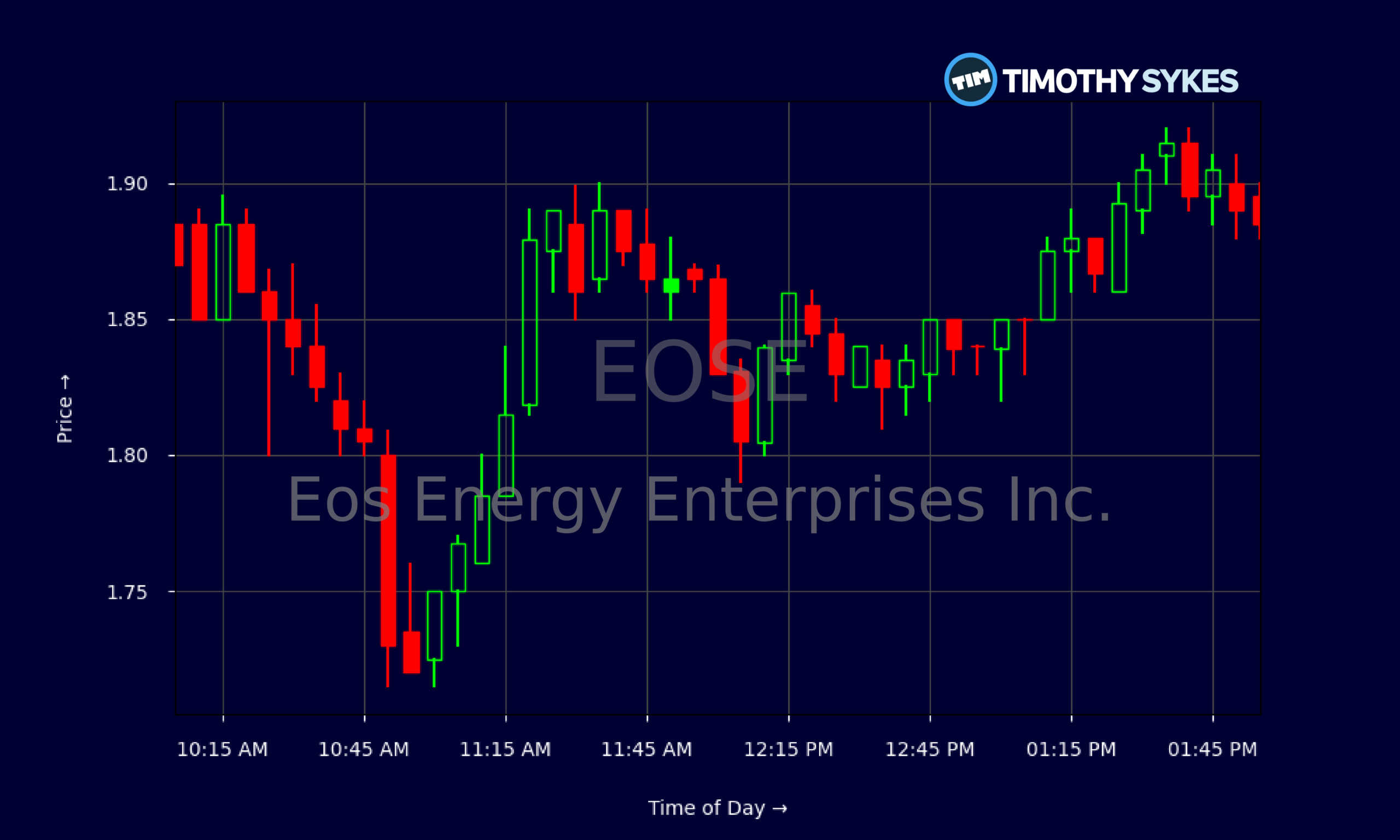
Live Update At 14:02:34 EST: On Thursday, November 05, 2026 Eos Energy Enterprises Inc. stock [NASDAQ: EOSE] is trending down by -11.92%! Discover the key drivers behind this movement as well as our expert analysis in the detailed breakdown below.
Quick Financial Overview
EOSE is trading like a classic high‑risk, story‑driven small cap. Over the last few weeks, the stock has chopped between roughly $1.60 and $2.40, with the most recent close around the mid‑$1.80s. That’s a sharp pullback from early levels near $2.40, showing clear selling pressure as headlines pile up around Eos Energy Enterprises.
The intraday tape tells the same story. EOSE opened a little above $2.00, spiked briefly over $2.10 in early trading, then faded steadily toward $1.87 by the afternoon. That premarket pop and regular‑session dump is textbook supply overwhelming dip‑buyers. Range is there, but so is downside momentum.
More Breaking News
On the fundamentals, Eos Energy Enterprises is still deep in the red. Quarterly revenue sits around $68.8M, but gross margin is roughly -85%, meaning the company loses money on each unit sold. Net income of about -$275.7M and EBITDA near -$256.9M underscore how far EOSE is from profitability. Yet Eos Energy Enterprises still commands a price‑to‑sales ratio near 4.3, which is aggressive for a name burning over $100M in free cash flow in a quarter. Cash of about $305.5M and a current ratio of 3.3 buy time, but not a free pass. For traders, this is a balance‑sheet runway story paired with heavy dilution and execution risk.
Why Traders Are Watching EOSE Legal Headwinds
EOSE is back in the spotlight for all the wrong reasons. A securities law firm has opened an investigation into potential corporate wrongdoing at Eos Energy Enterprises, zeroing in on those who bought shares before 2025/11/05 and still hold them. That date line matters. It defines who might have legal claims and tells traders exactly where the stress sits: legacy holders, not the quick intraday crowd.
What turned this from noise into a real narrative is the pile‑on. Several securities litigation firms have now launched their own investigations into Eos Energy Enterprises, asking whether the company and specific officers or directors engaged in misconduct. None of these announcements prove fraud or misstatements. But in trading, perception often moves faster than facts. When multiple firms publicly hunt for a case, many funds simply step aside.
One of the notices highlights that potential class actions or derivative suits are on the table. Class actions target alleged securities fraud and misstatements at the company level. Derivative suits go after officers and directors on behalf of the company. Either path means legal distraction, unknown costs, and months—if not years—of headline risk around EOSE.
For short‑term traders, this legal overhang can be both a danger and a setup. The danger is obvious: surprise negative press release, gap down, and broken intraday support. The opportunity comes if Eos Energy Enterprises becomes a “problem child” stock—highly shorted, hated, and prone to sharp squeezes on any positive catalyst. That recent swing from above $2.30 down to the $1.80s shows how quickly sentiment flips. Active traders watching EOSE have to treat every news alert as part of their edge.
Conclusion
Eos Energy Enterprises now sits at the intersection of weak fundamentals and rising legal risk. The core business behind EOSE is still burning cash, posting steep losses, and operating with heavily negative margins. At the same time, a growing cluster of securities law and litigation firms is publicly probing possible corporate wrongdoing tied to pre‑2025/11/05 shareholders. None of this guarantees a lawsuit win or regulatory hit, but it does keep a cloud over EOSE that larger players rarely ignore.
For traders, that cloud translates into higher volatility and sharper emotional swings on the chart. Eos Energy Enterprises can grind lower as long‑term holders react to each law‑firm update, then spike without warning when shorts get crowded or a positive press release lands. The intraday five‑minute action already shows that character—early pops sold into, followed by choppy, liquidity‑driven bounces.
This is exactly the type of name where strict rules matter. As Tim Sykes loves to remind traders, “Cut losses quickly; small losses are fine, big losses are unacceptable.” As millionaire penny stock trader and teacher Tim Sykes, says, “The goal is not to win every trade but to protect your capital and keep moving forward.”. That mindset fits EOSE perfectly. If you study the Eos Energy Enterprises chart, plan your risk, and respect your stops, this kind of legally charged, fundamentally weak ticker can become a great teacher. Just remember: this is educational and research material only, not a signal to buy or sell.
This is stock news, not investment advice. Timothy Sykes News delivers real-time stock market news focused on key catalysts driving short-term price movements. Our content is tailored for active traders and investors seeking to capitalize on rapid price fluctuations, particularly in volatile sectors like penny stocks. Readers come to us for detailed coverage on earnings reports, mergers, FDA approvals, new contracts, and unusual trading volumes that can trigger significant short-term price action. Some users utilize our news to explain sudden stock movements, while others rely on it for diligent research into potential investment opportunities.
Dive deeper into the world of trading with Timothy Sykes, renowned for his expertise in penny stocks. Explore his top picks and discover the strategies that have propelled him to success with these articles:
- Penny Stocks Trading Guide
- Best Penny Stocks Under $1 to Buy Today
- Top 8 Penny Stocks to Watch on Robinhood
Once you’ve got some stocks on watch, elevate your trading game with StocksToTrade the ultimate platform for traders. With specialized tools for swing and day trading, StocksToTrade will guide you through the market’s twists and turns.
Dig into StocksToTrade’s watchlists here:





Leave a reply