

Ohmyhome Limited stocks have been trading down by -22.44 percent amid heightened concerns over its growth outlook and profitability.
Key Takeaways
- Ohmyhome Limited (OMH) filed a Rule 424(b)(5) prospectus supplement.
- The filing points to a planned or ongoing securities offering by OMH.
- This potential offering may increase OMH’s share float and dilute existing holders.
- OMH shares just ripped from under $3 to over $15 on extreme volatility.
- Active traders are watching how OMH trades as the market absorbs the news.
Live Update At 07:32:36 EST: On Thursday, November 05, 2026 Ohmyhome Limited stock [NASDAQ: OMH] is trending down by -22.44%! Discover the key drivers behind this movement as well as our expert analysis in the detailed breakdown below.
Quick Financial Overview
OMH has been trading like a classic low-float momentum name. In late October, Ohmyhome Limited was grinding in a tight range around $2.60–$3.30. Daily closes mostly sat under $3.30, with highs topping out near $3.65. That’s a sleepy channel for weeks.
Then the recent move changed everything. OMH exploded from a prior close around $2.92 to a high near $18.23, finishing the latest day around $15.55. That’s a massive multi-bagger move in one session and signals an aggressive momentum crowd piling into OMH.
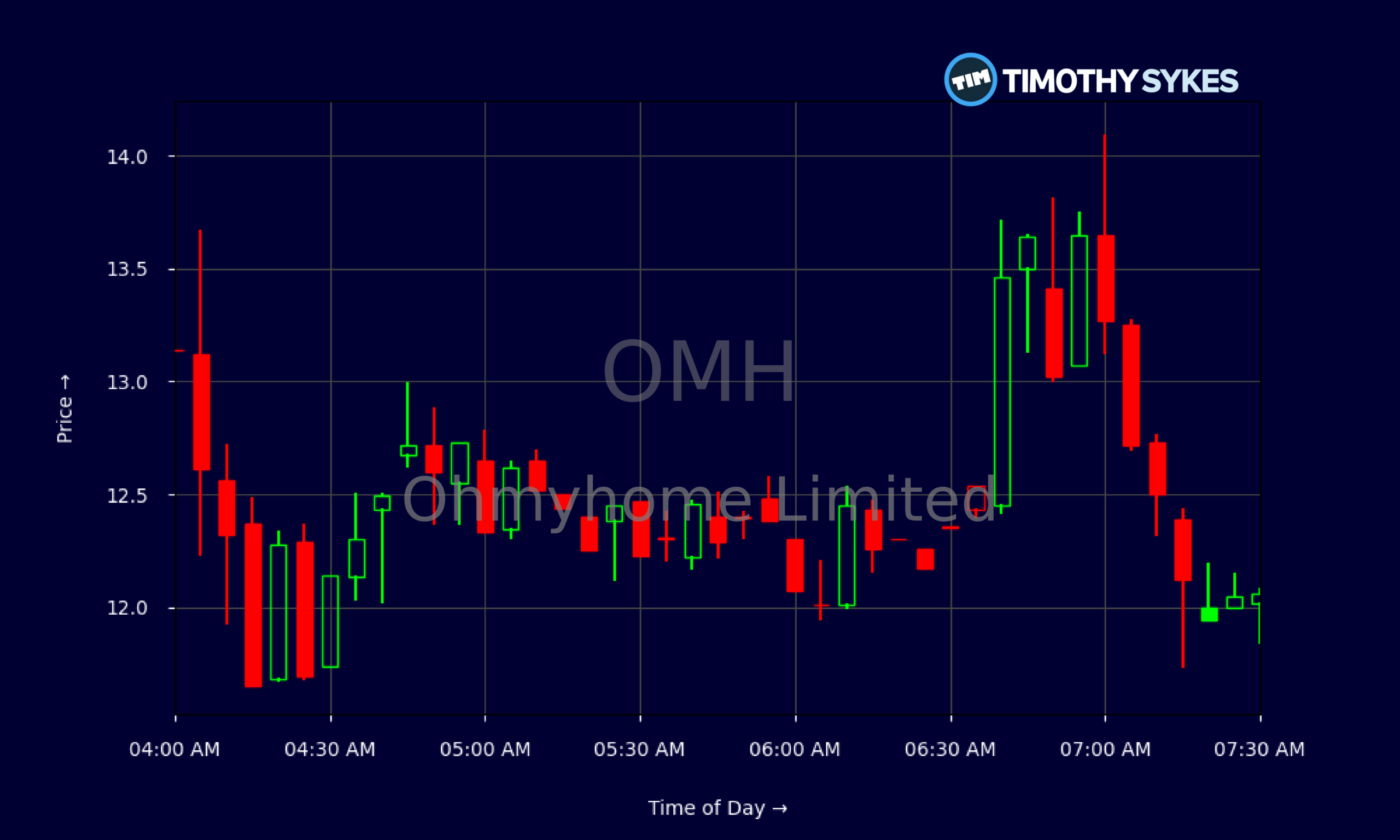
Intraday, the 5-minute candles show heavy swings between $11.70 and $14.00, with constant back-and-forth action. This tells traders OMH is now a high-volatility battlefield, ideal for day trading but dangerous for anyone holding blindly.
More Breaking News
On the fundamentals side, Ohmyhome Limited booked about $12.24M in revenue and carries an enterprise value near $3.41M, with a price-to-sales ratio around 0.49. Book value per share sits near $2.49, while return on capital is sharply negative at about -155%. OMH also has leverage, with a ratio around 1.9. In simple terms, OMH is not a quiet value play. It’s a speculative momentum story strapped to a still-developing business.
Why Traders Are Watching OMH’s New Offering
The key news driver is clear: Ohmyhome Limited filed a Rule 424(b)(5) prospectus supplement, signaling a planned or ongoing securities offering. For OMH, that usually means more shares coming to market and a higher float. Extra supply is exactly what can knock the wind out of a hot runner when the hype cools.
OMH just put in a monster move from under $3 to the mid-teens. That kind of parabolic spike gets every small-cap day trader’s attention. But when a company like OMH drops an offering-related filing into the mix, experienced traders start thinking about dilution, supply, and how long the squeeze can last.
Right now, OMH is a tug-of-war. On one side, momentum traders love the clean chart: multiple green days, huge intraday range, and liquidity increasing fast. On the other side, the Rule 424(b)(5) filing hangs over the stock, warning that Ohmyhome Limited may soon have far more shares in circulation.
For short-term trading, OMH’s intraday action matters more than its long-term story. Those 5-minute candles between roughly $12 and $14 show strong support-resistance battles. If OMH holds above the prior breakout zone around $10–$12, bulls stay in control. If it fails that range on heavy volume, the offering narrative may finally overpower the momentum. Either way, OMH is firmly on the watchlists of aggressive traders right now.
Conclusion
For active traders, OMH is a live lesson in how offerings collide with momentum. Ohmyhome Limited has real revenue, cash on hand, and a balance sheet that shows both leverage and goodwill-heavy assets. But the recent Rule 424(b)(5) filing signals a potential share sale that can change the float math overnight. When OMH’s float grows, those sharp spikes can fade faster as new supply hits the tape.
Traders watching OMH need to respect both the chart and the capital-raising reality. Parabolic runs like this often end brutally when the offering is priced or when the crowd realizes dilution is not just a headline, it’s a new base case. OMH has already shown it can move 400%+ in a blink; that same volatility works both ways on the way down.
The playbook from Tim Sykes’ community fits OMH perfectly: study the pattern, react to price action, and never marry the story. As Tim Sykes likes to say, “The market doesn’t care about your opinion, only your discipline.” As millionaire penny stock trader and teacher Tim Sykes, says, “Be patient, don’t force trades, and let the perfect setups come to you.”. For OMH, that means cutting losses fast, trading the volatility, and treating every bounce and crack as a learning opportunity, not a promise.
This is stock news, not investment advice. Timothy Sykes News delivers real-time stock market news focused on key catalysts driving short-term price movements. Our content is tailored for active traders and investors seeking to capitalize on rapid price fluctuations, particularly in volatile sectors like penny stocks. Readers come to us for detailed coverage on earnings reports, mergers, FDA approvals, new contracts, and unusual trading volumes that can trigger significant short-term price action. Some users utilize our news to explain sudden stock movements, while others rely on it for diligent research into potential investment opportunities.
Dive deeper into the world of trading with Timothy Sykes, renowned for his expertise in penny stocks. Explore his top picks and discover the strategies that have propelled him to success with these articles:
- Penny Stocks Trading Guide
- Best Penny Stocks Under $1 to Buy Today
- Top 8 Penny Stocks to Watch on Robinhood
Once you’ve got some stocks on watch, elevate your trading game with StocksToTrade the ultimate platform for traders. With specialized tools for swing and day trading, StocksToTrade will guide you through the market’s twists and turns.
Dig into StocksToTrade’s watchlists here:





Leave a reply