

TeraWulf Inc. stocks have been trading up by 6.34 percent amid heightened optimism over its expanding Bitcoin mining capacity.
Key Takeaways Traders Need To Know
- Morgan Stanley reaffirmed an Overweight on TeraWulf, flagging nearly 392% upside to a higher $65 target and saying the recent pullback ignores WULF’s contracted growth pipeline.
- Cantor Fitzgerald trimmed its TeraWulf target to $30 from $37 but still labeled the stock a potential “generational buy” with 100%+ upside as AI funding fears and data center headwinds ease.
- A revamped Kentucky Power deal doubles Muskie Data Campus contracted power from 500 MW to 1 GW, accelerates phase two to 2029, and sets the stage for a potential 2 GW AI/HPC hub.
- At Justified Data Campus, TeraWulf secured a 482 MW power agreement underpinning a $4.0–$4.5B AI project anchored by a 20-year, ~401 MW Anthropic lease with extension options.
- TD Cowen launched coverage on TeraWulf with a Buy rating and $21 target, arguing WULF’s 9% cap rate on leased data centers looks conservative given Google-backed Fluidstack support.
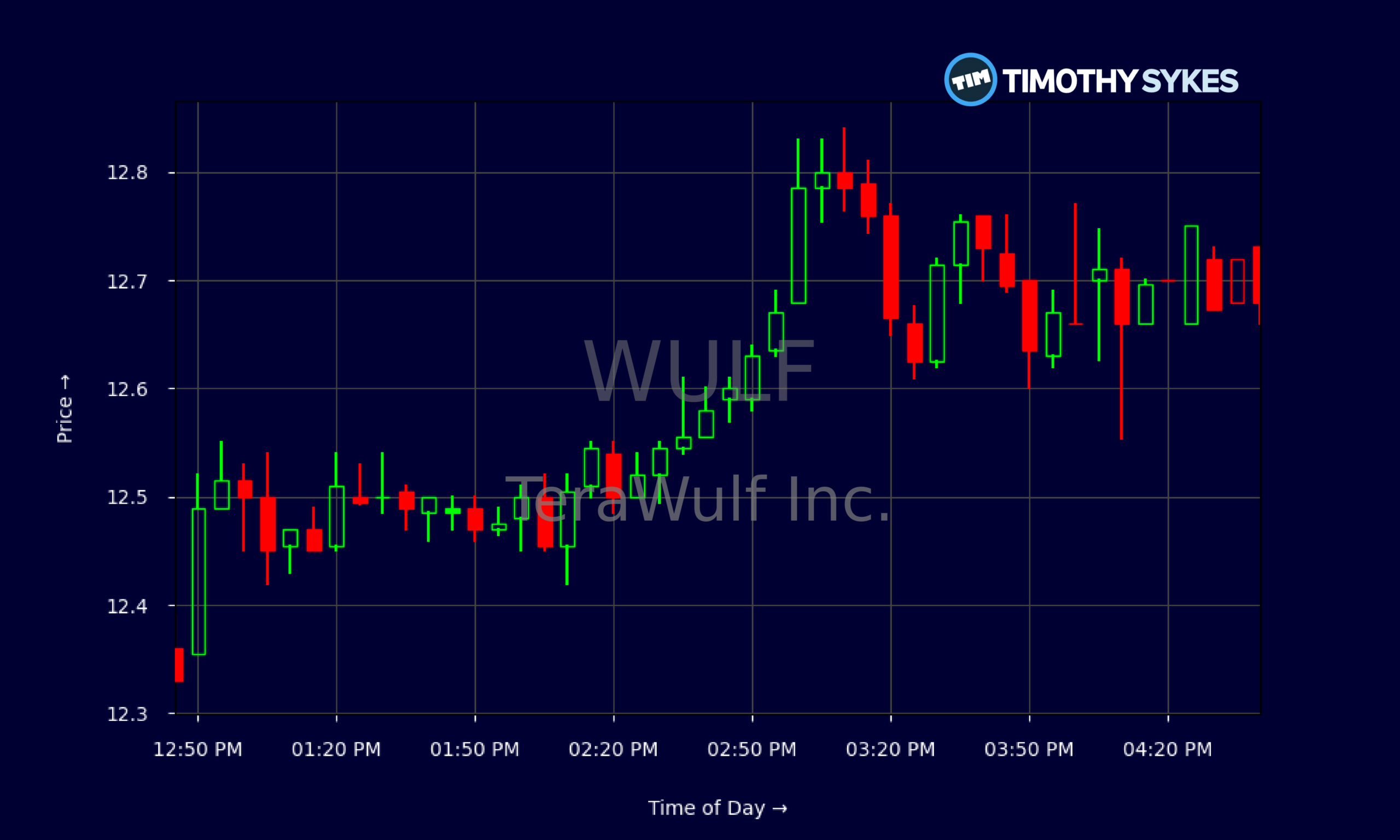
Live Update At 16:46:42 EDT: On Tuesday, October 27, 2026 TeraWulf Inc. stock [NASDAQ: WULF] is trending up by 6.34%! Discover the key drivers behind this movement as well as our expert analysis in the detailed breakdown below.
Quick Financial Overview
WULF trades like a pure momentum name right now, and the tape backs that up. Over the last couple of weeks, TeraWulf has pulled back from the mid‑$15s to close near $12.66 on 2026/10/27, but it’s starting to base. Daily candles show repeated rebounds in the low‑$11s and quick pushes back above $12, a classic consolidation after a big run.
Intraday, WULF’s 5‑minute chart is tight. Most trading on the latest day stayed between $12.40 and $12.80, with higher lows building through the session and a close right under the intraday range highs. That tells traders dip buyers are active and shorts are not pressing hard, at least for now.
More Breaking News
Fundamentally, TeraWulf is still early‑stage, heavy‑spend. Revenue sits around $168.5M, but margins are deep in the red and free cash flow was roughly -$992M last quarter, driven by about $1.1B of capital expenditure for AI data centers. WULF carries about $4.0B of long‑term debt, a thin equity base, and a high price‑to‑sales multiple. For traders, that screams “high‑beta growth story”: big upside if execution lands, real downside if capital markets tighten or projects slip.
Why Traders Are Watching WULF’s AI Power Buildout
The heart of the WULF story is simple: locked‑in power plus long‑dated AI leases. TeraWulf is trying to turn cheap, firm electricity into a structural edge in AI and high‑performance computing, and the recent news flow shows how aggressive that push has become.
In Kentucky, WULF re‑cut its deal with Kentucky Power so the Muskie Data Campus now has 1 GW of contracted power instead of 500 MW. The second 500 MW phase, originally planned for 2030, has been pulled forward to 2029, with room to expand to 2 GW over time. For AI data centers, power is the choke point; TeraWulf is basically buying itself a front‑of‑line pass. The trade‑off is cost. As part of the deal, WULF will fund $100M in winter bill credits for local customers and help cover financing for a 760‑MW combined‑cycle plant. Smart politically, but another cash obligation traders must track.
The Justified Data Campus is even bigger for WULF’s long game. TeraWulf secured regulatory approval for 482 MW of power there, backing a $4.0–$4.5B AI build anchored by a 20‑year, roughly 401 MW IT lease with Anthropic, with up to 10 extra years possible. That is real contracted demand, expected to be supported by investment‑grade credit. It does not fix near‑term losses, but it gives WULF line‑of‑sight to serious future cash flows if the company delivers.
Wall Street is noticing. Morgan Stanley not only reiterated an Overweight on TeraWulf; it also raised its price target to $65 and highlighted almost 392% upside from current levels, saying the pullback does not match WULF’s contract value and pipeline. Cantor Fitzgerald cut its target to $30 but still calls WULF a “generational buy,” seeing 100%+ upside once AI funding jitters cool.
TD Cowen has stepped in with a Buy and a $21 target, arguing that the roughly 9% cap rate implied by WULF’s leased AI data center portfolio is too cheap given backing from Google‑linked Fluidstack. Put together, TeraWulf is building a rare setup: hard power, long leases, and a growing list of bullish analysts. The catch is execution and financing. That tension is what keeps WULF so tradable.
Conclusion
For active traders, WULF is the definition of a high‑reward, high‑risk AI infrastructure play. TeraWulf is still burning cash, running negative margins, and leaning on capital markets to fund multi‑billion‑dollar campuses. The balance sheet shows heavy debt and thin equity, and any stumble in funding or build timelines can hit the stock fast. That is the harsh side of the story, and traders cannot ignore it.
On the other side, TeraWulf has stitched together what many AI data center hopefuls lack: scale power contracts and marquee tenants. The doubled 1 GW power deal at Muskie and the 482 MW Justified agreement backed by a 20‑year Anthropic lease give WULF long‑term visibility that most small‑cap names only dream about. Add in the Google‑supported Fluidstack exposure and you see why Morgan Stanley, Cantor Fitzgerald, and TD Cowen stay bullish despite volatility.
For short‑term trading, WULF’s recent base around $12, tight intraday action, and news‑driven spikes around deal headlines offer clean levels to study. For longer‑term thinkers, it remains a leveraged bet on AI infrastructure execution. That’s exactly where disciplined trade management matters most; as millionaire penny stock trader and teacher Tim Sykes, says, “Small gains add up over time; focus on building wealth gradually, not chasing jackpots.” In a name like WULF, that mindset can help traders avoid over‑sizing or swinging for home runs on every move.
As Tim Sykes likes to say, “The market rewards prepared traders, not hopeful ones.” With WULF, preparation means knowing the contracts, the capex, the chart, and the downside just as clearly as the upside. This analysis is for educational and research purposes only, but the homework is the same: respect the risk, study the catalysts, and let the price action confirm the story.
This is stock news, not investment advice. Timothy Sykes News delivers real-time stock market news focused on key catalysts driving short-term price movements. Our content is tailored for active traders and investors seeking to capitalize on rapid price fluctuations, particularly in volatile sectors like penny stocks. Readers come to us for detailed coverage on earnings reports, mergers, FDA approvals, new contracts, and unusual trading volumes that can trigger significant short-term price action. Some users utilize our news to explain sudden stock movements, while others rely on it for diligent research into potential investment opportunities.
Dive deeper into the world of trading with Timothy Sykes, renowned for his expertise in penny stocks. Explore his top picks and discover the strategies that have propelled him to success with these articles:
- Penny Stocks Trading Guide
- Best Penny Stocks Under $1 to Buy Today
- Top 8 Penny Stocks to Watch on Robinhood
Once you’ve got some stocks on watch, elevate your trading game with StocksToTrade the ultimate platform for traders. With specialized tools for swing and day trading, StocksToTrade will guide you through the market’s twists and turns.
Dig into StocksToTrade’s watchlists here:





Leave a reply