
TeraWulf Inc. stocks have been trading up by 6.47 percent amid heightened optimism over its bitcoin mining expansion.
Key Takeaways Traders Need To Know
- Wall Street desks are leaning bullish on TeraWulf, with multiple Overweight and Buy ratings stacked against a recent pullback in WULF shares.
- Morgan Stanley now sees WULF at $65, arguing the current price badly lags its long-term AI contract value and growth pipeline.
- Cantor Fitzgerald still calls WULF a potential “generational buy,” even after trimming its target to $30 on sector funding and data-center headwinds.
- TD Cowen joined the bull camp with a $21 target on WULF, flagging conservative yield assumptions on its Google-backed data center leases.
- Large Kentucky power deals for WULF’s Justified and Muskie campuses lock in up to 1 GW+ for AI/HPC buildouts, but come with heavy spend and execution risk.
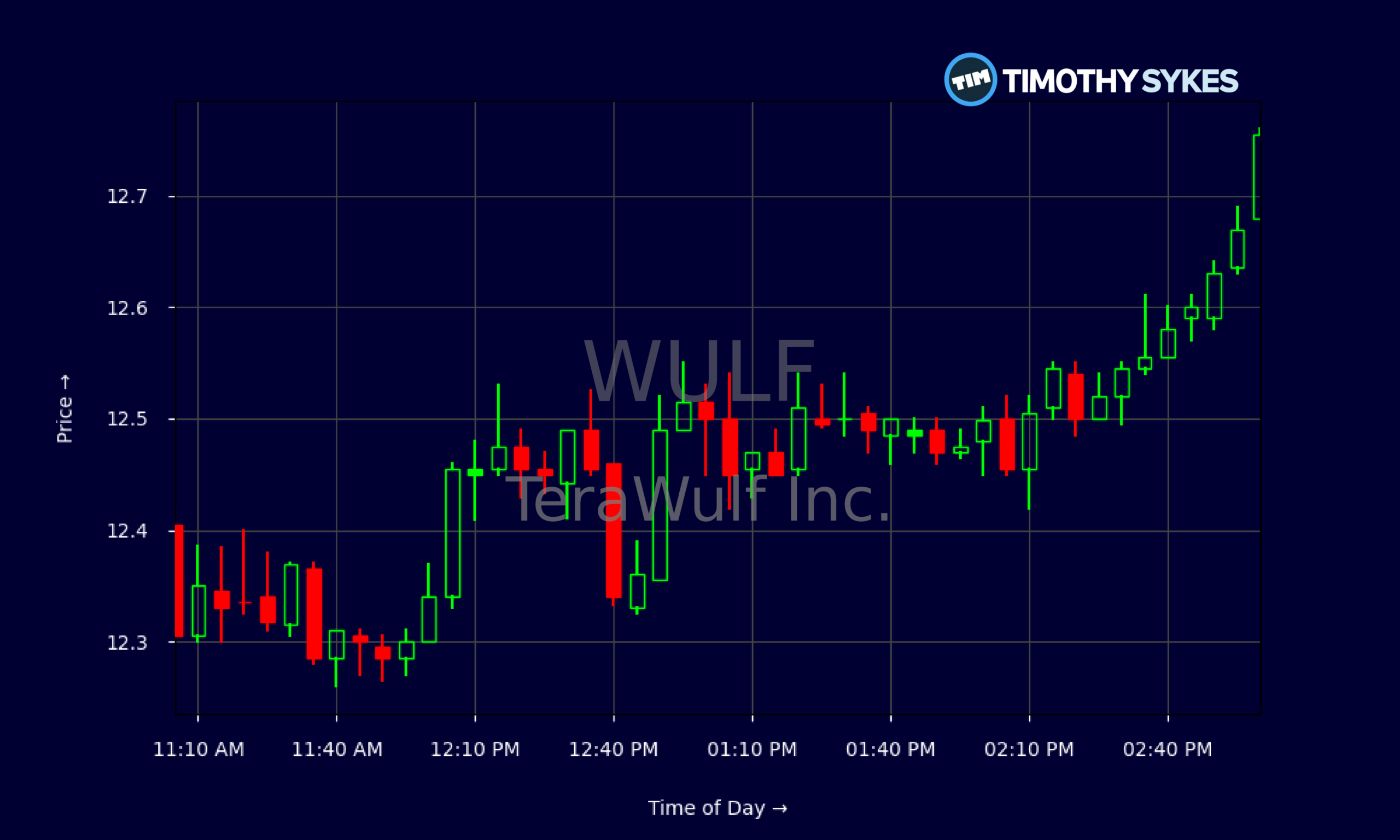
Live Update At 15:02:53 EDT: On Tuesday, October 27, 2026 TeraWulf Inc. stock [NASDAQ: WULF] is trending up by 6.47%! Discover the key drivers behind this movement as well as our expert analysis in the detailed breakdown below.
Quick Financial Overview
WULF has been whipping around, but the trend the past two weeks is quietly higher. The stock bounced from about $11.32 on 2026/10/22 to $12.76 on 2026/10/27, with a strong push off the 11s back into the mid‑12s. Intraday, WULF spent most of the latest session grinding between $12.40 and $12.75, holding gains instead of fading — a sign dip buyers are active.
Under the hood, TeraWulf is still a high‑burn, high‑growth story. Quarterly revenue sits around $168.5M annualized, but WULF is posting steep losses, with net income at roughly -$939.9M and EBITDA around -$861.3M. Profit margins are deep in the red, even though gross margin looks strong at 84.3%. That tells traders WULF is spending heavily on overhead, build‑out, and financing rather than struggling to sell capacity.
More Breaking News
The balance sheet shows about $2.62B in cash and short‑term investments against $4.02B in long‑term debt and roughly $1.19B in current debt. Free cash flow last quarter was about -$992.3M as TeraWulf poured over $1.08B into property and equipment. For traders, WULF is a classic “story + capital cycle” name: plenty of runway today, but the market will constantly re‑price it based on execution and funding conditions.
Why Traders Are Watching WULF’s AI Buildout
WULF is not trading like a sleepy utility‑style data center REIT. It is trading like a leveraged call option on AI infrastructure. That is why Morgan Stanley stepping up with a $65 target — nearly 392% upside from current levels — matters. The bank argues WULF’s recent pullback does not match the value of its long‑term contracts or its pipeline of AI data center projects. For momentum traders, that kind of disconnect narrative is exactly what fuels squeeze setups.
Cantor Fitzgerald is on a similar page. Yes, it trimmed its WULF target to $30 from $37. But it kept an Overweight rating and labeled the stock a potential “generational buy” once AI funding worries and data‑center headwinds cool down. Translation for traders: the desk expects big upside, but also accepts that volatility and sentiment shocks are part of the path.
TD Cowen adds more fuel. It initiated on TeraWulf with a Buy and a $21 target, calling the current 9% cap rate on WULF’s leased data center portfolio too conservative given Google‑backed Fluidstack support. Put together, these calls build a wall of bullish opinion around WULF, with FactSet data pointing to an average target near $33.79.
The fundamental backbone is in Kentucky. WULF locked in regulatory approval for a 482 MW power deal for its Justified Data Campus, tied to an estimated $4.0–$4.5B AI data center build and a 20‑year, roughly 401 MW IT lease with Anthropic. On top of that, WULF and Kentucky Power doubled contracted load at the Muskie Data Campus from 500 MW to 1 GW and pulled forward the second 500 MW phase to 2029, with potential expansion to 2 GW over time. Those contracts give WULF visibility — but they also chain the company to a massive, multi‑year construction and financing grind. That’s precisely the kind of tension active traders thrive on.
Conclusion
For traders studying WULF, the setup is straightforward but not simple. On one side, TeraWulf has stitched together long‑duration, credit‑backed AI leases — from the Anthropic anchor at Justified to Google‑linked Fluidstack support — plus huge power deals at Justified and Muskie that aim to turn Kentucky into an AI/HPC powerhouse. On the other, the numbers show heavy negative cash flow, high leverage, and a current ratio under 1. This is execution risk in its purest form.
Wall Street’s stance on WULF is unusually aligned. Morgan Stanley, Cantor Fitzgerald, and TD Cowen all sit in the bullish camp with upside targets well above today’s price. The market, for now, is discounting the story, which is why WULF trades like a rollercoaster around the 11–13 range instead of anything near those targets.
Traders should mark the upcoming Q3 2026 earnings call as a key catalyst. Management has promised more detail on AI data center timelines, capital needs, and lease economics across its U.S. campuses, including the repurposed bitcoin‑mining capacity. As Tim Sykes loves to remind his students, “The market rewards preparation, not predictions — study the catalysts, map the levels, and let price action confirm the story.” As millionaire penny stock trader and teacher Tim Sykes says, “Embrace the journey, the ups and downs; each mistake is a lesson to improve your strategy.”. With WULF, that means tracking news, power deals, and funding updates closely, then trading the volatility rather than blindly believing the hype. This article is for educational and research purposes only and is not investment advice.
This is stock news, not investment advice. Timothy Sykes News delivers real-time stock market news focused on key catalysts driving short-term price movements. Our content is tailored for active traders and investors seeking to capitalize on rapid price fluctuations, particularly in volatile sectors like penny stocks. Readers come to us for detailed coverage on earnings reports, mergers, FDA approvals, new contracts, and unusual trading volumes that can trigger significant short-term price action. Some users utilize our news to explain sudden stock movements, while others rely on it for diligent research into potential investment opportunities.
Dive deeper into the world of trading with Timothy Sykes, renowned for his expertise in penny stocks. Explore his top picks and discover the strategies that have propelled him to success with these articles:
- Penny Stocks Trading Guide
- Best Penny Stocks Under $1 to Buy Today
- Top 8 Penny Stocks to Watch on Robinhood
Once you’ve got some stocks on watch, elevate your trading game with StocksToTrade the ultimate platform for traders. With specialized tools for swing and day trading, StocksToTrade will guide you through the market’s twists and turns.
Dig into StocksToTrade’s watchlists here:





Leave a reply