

SoFi Technologies Inc. stocks have been trading up by 3.45 percent after strong earnings and loan growth boosted investor optimism.
Key Takeaways
- Q3 results from SoFi Technologies beat Wall Street on both revenue and EPS, signaling stronger execution across the platform.
- Management raised its FY26 outlook to $5.04B in adjusted revenue with higher margins, pointing to faster profit scaling than the Street expected.
- FY27 guidance from SOFI calls for $6.4B in revenue and $0.90 in adjusted EPS, well above prior consensus models.
- Shares ripped more than 10%–15% into the mid‑$16 range as traders repriced SOFI on the back of the guidance and earnings beat.
- The SoFi Earn tokenized deposit launch and embedded Prudential life insurance deepen the SOFI ecosystem and add new monetization levers.
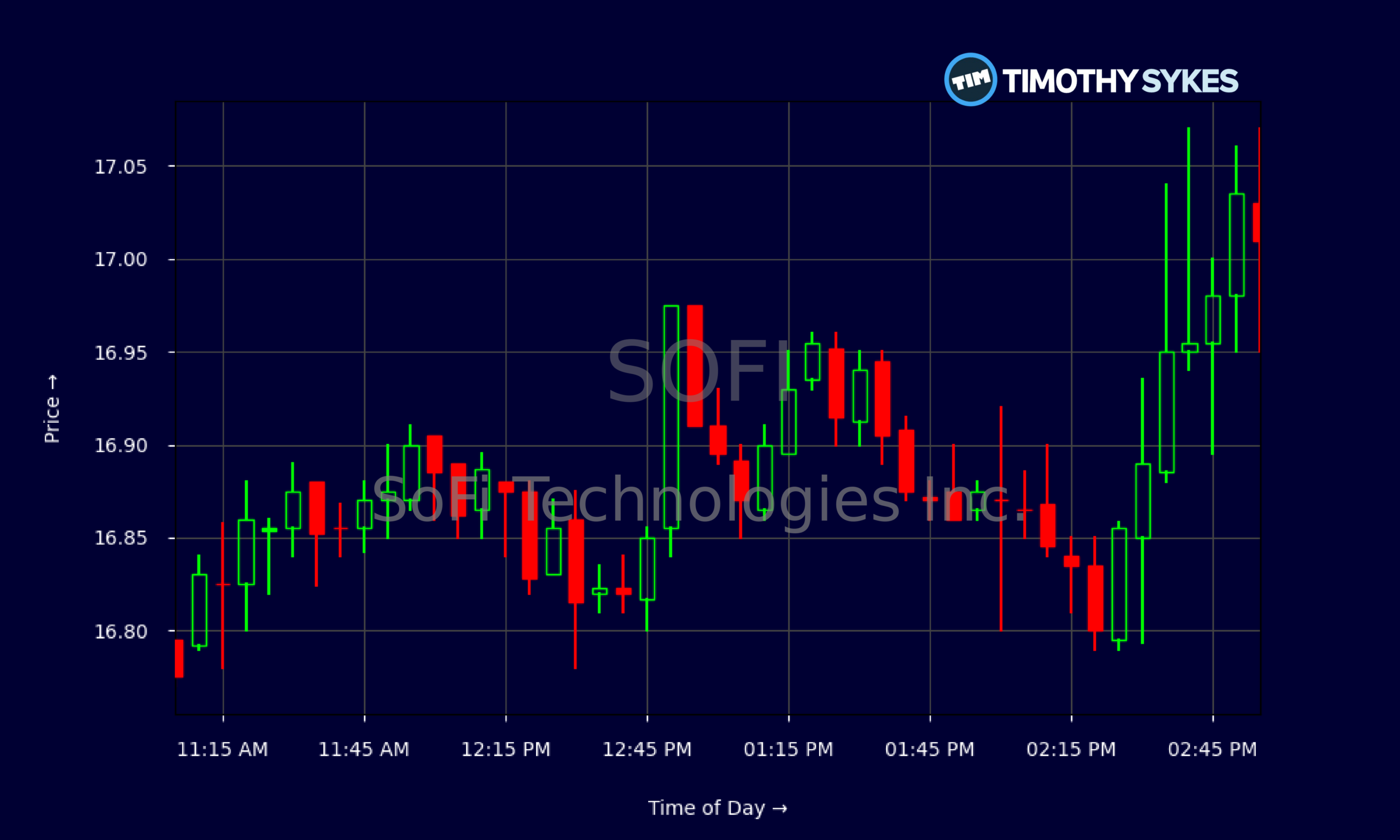
Live Update At 15:02:53 EDT: On Wednesday, October 28, 2026 SoFi Technologies Inc. stock [NASDAQ: SOFI] is trending up by 3.45%! Discover the key drivers behind this movement as well as our expert analysis in the detailed breakdown below.
Quick Financial Overview
SOFI has turned into a momentum tape, and the numbers back it up. The stock just pushed into the high‑$16s, closing near $16.97 after a string of strong sessions. A week ago, SOFI was trading around the mid‑$14s. That’s a big repricing in a short window.
On the chart, SOFI shows a clean post‑earnings flag. After gapping from about $15.98 to the $16s and testing as high as $17.25, the intraday five‑minute candles now show tight consolidation between roughly $16.80 and $17.10. That tells traders dip buyers are stepping in and sellers are not yet in full control.
More Breaking News
Fundamentally, SoFi Technologies has real growth behind this move. Trailing revenue is about $3.61B, with three‑year revenue growth north of 30% and five‑year growth above 40%. Profitability metrics are finally turning the corner: profit margin is near 15% and return on equity is above 7%. SOFI still trades rich at roughly 32x earnings and about 4.7x sales, but debt to equity around 0.31 keeps balance‑sheet risk in check. For traders, this is a classic high‑growth fintech: expensive, but now showing earnings power to try to justify the premium.
Why Traders Are Watching SOFI Right Now
The key driver for SOFI is the latest earnings and guidance one‑two punch. SoFi Technologies posted Q3 adjusted EPS of $0.18, ahead of the $0.17 consensus, with revenue of about $1.385B versus $1.26B expected. Other reports put Q3 revenue at $1.39B, still well ahead of estimates. That combination of top‑ and bottom‑line beats tells traders the SOFI growth engine is not just running hot, it is scaling more efficiently.
Management then poured gasoline on the fire with its outlook. For 2026, SoFi Technologies now targets $5.04B in adjusted revenue, 40% year‑over‑year adjusted revenue growth, adjusted EBITDA of $1.66B at a 33% margin, and about $840M in adjusted net income, or $0.61 in adjusted EPS. That is above prior Street numbers and confirms that SOFI sees itself as a profitable, mature platform by the middle of the decade.
The 2027 guide is even more aggressive. SoFi Technologies is projecting $6.4B in revenue and $0.90 in adjusted EPS, implying roughly 27% annual revenue growth with an adjusted EBITDA margin around 35% and adjusted net income margin near 20%. For growth‑focused traders, that is the core of the bull story: SOFI moving from story stock to earnings machine.
The tape is responding. Reports show the stock spiking 11.2% in early trading to around $16.07, then extending to about $16.62, up 14.9%. Other headlines note a double‑digit premarket gain as the guidance hit the wires. That kind of gap‑and‑go move usually means a lot of traders were underexposed and had to chase. Analyst sentiment is lining up too. Monness Crespi & Hardt just initiated SoFi Technologies with a Buy rating and a $20 price target, roughly in line with a ~$20.14 Street average, reinforcing that many on the sidelines still model upside from the mid‑teens.
On top of the numbers, the product story is expanding. SoFi Technologies launched SoFi Earn, a tokenized bank deposit (SOFIE) paying 4.40% APY, fully backed by dollars at SoFi Bank and FDIC‑insured up to limits, convertible 1:1 into SoFiUSD for crypto purchases or blockchain transfers. That keeps SOFI inside regulated rails while flirting with crypto demand. At the same time, SOFI embedded Prudential’s SimplyTerm life insurance directly into the app for over 15 million members, turning the platform more into a full financial supermarket and opening another revenue stream per user.
Conclusion
For active traders, SOFI is a real‑time case study in how strong execution and bold guidance can reset a stock’s trajectory. SoFi Technologies didn’t just beat Q3 earnings and revenue; it raised 2026 adjusted EPS expectations to about $0.61 and laid out a 2027 roadmap to $0.90 in adjusted EPS and $6.4B in revenue. The market answered with a double‑digit surge, pushing SOFI into the mid‑$16s and building a fresh momentum base on the chart.
That said, rich stories also carry risk. SoFi Technologies trades at elevated earnings and sales multiples, and the guidance implies years of near‑perfect growth and margin execution. Any slowdown in member growth, product adoption, or credit performance could pressure those targets and the stock’s multiple. New moves like SoFi Earn and the Prudential insurance partnership deepen the ecosystem, but they also add new execution tasks and, in the case of tokenized deposits, some regulatory watch‑points.
This is where trading discipline matters. As Tim Sykes pounds into every student, “Trade like a sniper, not a machine gun.” As millionaire penny stock trader and teacher Tim Sykes, says, “Small gains add up over time; focus on building wealth gradually, not chasing jackpots.” For SOFI, that means respecting the trend, watching key support near the $16 zone, and being ready to cut losses fast if the post‑earnings story fades. This article is for educational and research purposes only and is not investment advice, but for now, SoFi Technologies has put real numbers behind the hype, and the market is trading it like a name that finally showed up.
This is stock news, not investment advice. Timothy Sykes News delivers real-time stock market news focused on key catalysts driving short-term price movements. Our content is tailored for active traders and investors seeking to capitalize on rapid price fluctuations, particularly in volatile sectors like penny stocks. Readers come to us for detailed coverage on earnings reports, mergers, FDA approvals, new contracts, and unusual trading volumes that can trigger significant short-term price action. Some users utilize our news to explain sudden stock movements, while others rely on it for diligent research into potential investment opportunities.
Dive deeper into the world of trading with Timothy Sykes, renowned for his expertise in penny stocks. Explore his top picks and discover the strategies that have propelled him to success with these articles:
- Penny Stocks Trading Guide
- Best Penny Stocks Under $1 to Buy Today
- Top 8 Penny Stocks to Watch on Robinhood
Once you’ve got some stocks on watch, elevate your trading game with StocksToTrade the ultimate platform for traders. With specialized tools for swing and day trading, StocksToTrade will guide you through the market’s twists and turns.
Dig into StocksToTrade’s watchlists here:





Leave a reply