

Snap Inc. stocks have been trading down by -4.42 percent amid heightened concerns over weakening digital ad spending and competition.
Key Takeaways For SNAP Traders
- UBS nudged its SNAP price target to $7 with a Neutral stance, flagging ongoing struggles to gain top-tier advertiser prioritization despite a better digital ad backdrop.
- Evercore’s ad channel checks turned “negative” on SNAP, with agencies signaling softer near‑term spending and weaker budget allocations to the platform.
- Florida won court approval to bar children under 14 from Snapchat, raising the risk of copycat social‑media regulation in other U.S. states.
- A Form 144 filing showed planned insider selling of Snap Inc. shares, adding potential share supply and sentiment pressure for SNAP traders.
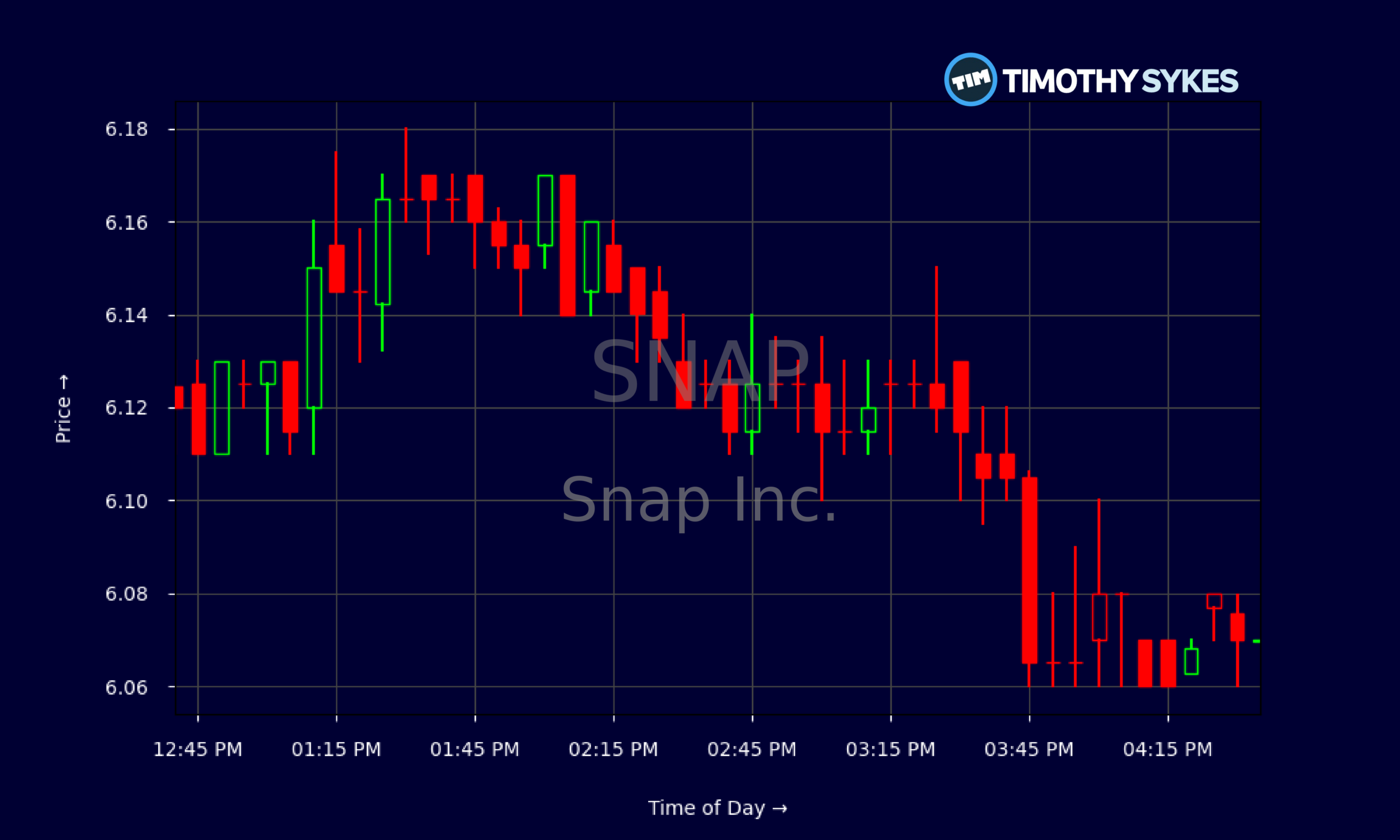
Live Update At 16:47:04 EDT: On Tuesday, October 27, 2026 Snap Inc. stock [NYSE: SNAP] is trending down by -4.42%! Discover the key drivers behind this movement as well as our expert analysis in the detailed breakdown below.
Quick Financial Overview
SNAP is acting like a textbook grind‑down chart right now. Over the last few weeks, Snap Inc. has faded from the mid‑$6s toward the low‑$6 area, with the latest daily close around $6.08 after failing to hold an early pop. The multi‑day data show multiple rejections near $6.50–$6.85, turning that band into a clear resistance zone traders should respect.
Intraday, SNAP’s 5‑minute tape on the latest session tells the same story. The stock opened near $6.34, flushed into the $6.05–$6.10 range, and then chopped sideways for hours between roughly $6.10 and $6.16 before a late‑day slip. That’s classic supply sitting on top and buyers unwilling to chase.
More Breaking News
Fundamentally, Snap Inc. is still a mixed bag. Revenue is about $5.93B annually with a strong 78.4% gross margin, but profitability remains negative. Recent quarterly numbers show about $1.60B in revenue with a net loss near $164M and an EBIT margin around -2.6%. The good news for SNAP traders: operating cash flow is positive, and free cash flow was roughly $120M for the recent quarter, helped by hefty stock‑based compensation. The balance sheet shows solid liquidity with a current ratio near 2.9, but leverage is high and returns on equity are deeply negative. In trading terms, SNAP is still a turnaround story, not a finished product.
Why Traders Are Watching SNAP Now
SNAP is in the crosshairs this week because the news flow finally lines up with what the chart has been whispering. On 2026/10/14, UBS took its SNAP price target from $5.70 up to $7, but crucially held a Neutral rating. That’s not a bullish victory lap. It’s a recalibration that says, “Yes, the stock washed out, but Snap Inc. still has to prove it to advertisers.” UBS explicitly called out that SNAP is struggling to gain advertiser prioritization even while digital ads, broadly, are improving.
That message was reinforced earlier in October when Evercore’s channel checks on SNAP came back “negative.” Agencies reported weaker near‑term trends and smaller budget allocations heading toward the platform. For traders, that’s big. Channel checks are forward‑looking. If the people actually placing the ads are pulling back, revenue expectations for Snap Inc. can get reset lower fast, and rallies in SNAP often get sold into.
Regulation is the second shoe. On 2026/10/15, a U.S. appeals court let Florida enforce a law blocking kids under 14 from using social media platforms, including Snapchat. The law targets “addictive” features like autoplay and infinite scroll. For SNAP traders, this is more than a headline. Florida’s move can become a template. If other states follow, Snap Inc. faces pressure on both user growth and engagement — the very metrics advertisers watch when deciding where to spend.
Layer on top the Form 144 filing from 2026/10/16, revealing planned insider share sales. When SNAP insiders are preparing to unload stock at the same time ad checks weaken and regulation tightens, many traders see that as confirmation of a cautious stance, not a dip‑buying green light.
Conclusion
SNAP now sits at a tricky crossroads where the tape, the fundamentals, and the headlines all rhyme. The stock is pinned under clear resistance in the mid‑$6s, while Evercore’s negative ad checks and UBS’s Neutral tone remind traders that Snap Inc. still fights for advertiser dollars even as the rest of digital advertising heals. Add Florida’s new social‑media restrictions on under‑14 users, and SNAP’s user‑growth story faces a fresh overhang that is hard for the market to ignore.
At the same time, the numbers show Snap Inc. is not dead money. SNAP generates solid gross margins, throws off positive operating and free cash flow, and carries enough liquidity to keep running while it works to fix profitability. That gives active traders room to stalk bounces, but the Form 144 insider selling plan warns against complacency on any short‑term spike.
For short‑term and swing traders, SNAP is shaping up as a classic “react, don’t predict” setup — respect the levels, track the ad‑trend headlines, and watch regulatory chatter state by state. As Tim Sykes likes to say, “The market doesn’t care about your opinion, only your preparation and your rules.” As millionaire penny stock trader and teacher Tim Sykes, says, “It’s not about how much money you make; it’s about how much money you keep.”. For anyone trading SNAP, that means tight risk, fast decision‑making, and zero attachment to the story.
This is stock news, not investment advice. Timothy Sykes News delivers real-time stock market news focused on key catalysts driving short-term price movements. Our content is tailored for active traders and investors seeking to capitalize on rapid price fluctuations, particularly in volatile sectors like penny stocks. Readers come to us for detailed coverage on earnings reports, mergers, FDA approvals, new contracts, and unusual trading volumes that can trigger significant short-term price action. Some users utilize our news to explain sudden stock movements, while others rely on it for diligent research into potential investment opportunities.
Dive deeper into the world of trading with Timothy Sykes, renowned for his expertise in penny stocks. Explore his top picks and discover the strategies that have propelled him to success with these articles:
- Penny Stocks Trading Guide
- Best Penny Stocks Under $1 to Buy Today
- Top 8 Penny Stocks to Watch on Robinhood
Once you’ve got some stocks on watch, elevate your trading game with StocksToTrade the ultimate platform for traders. With specialized tools for swing and day trading, StocksToTrade will guide you through the market’s twists and turns.
Dig into StocksToTrade’s watchlists here:





Leave a reply