

Pentair plc. stocks have been trading up by 12.83 percent following upbeat demand outlook and robust earnings expectations.
Key Takeaways
- Oppenheimer cut its Pentair (PNR) price target to $84 from $94 but kept an Outperform rating, pointing to solid demand and potential outperformance into 2027 despite rate headwinds.
- Mizuho lowered its PNR price target from $85 to $65 while maintaining Outperform, resetting expectations for seasonality and softer trends ahead of Q3 earnings on 2026/10/27.
- TD Cowen moved PNR from Sell to Hold with a $55 target, signaling much of the downside from pool weakness may already be priced in.
- RBC cut its PNR target to $61 from $73 with Sector Perform, even as Street consensus still sits around $69.77, implying moderated but positive upside.
- Pentair appointed Josh Cowley to lead its Pentair Pool business, targeting better execution and growth in a heavily scrutinized segment.
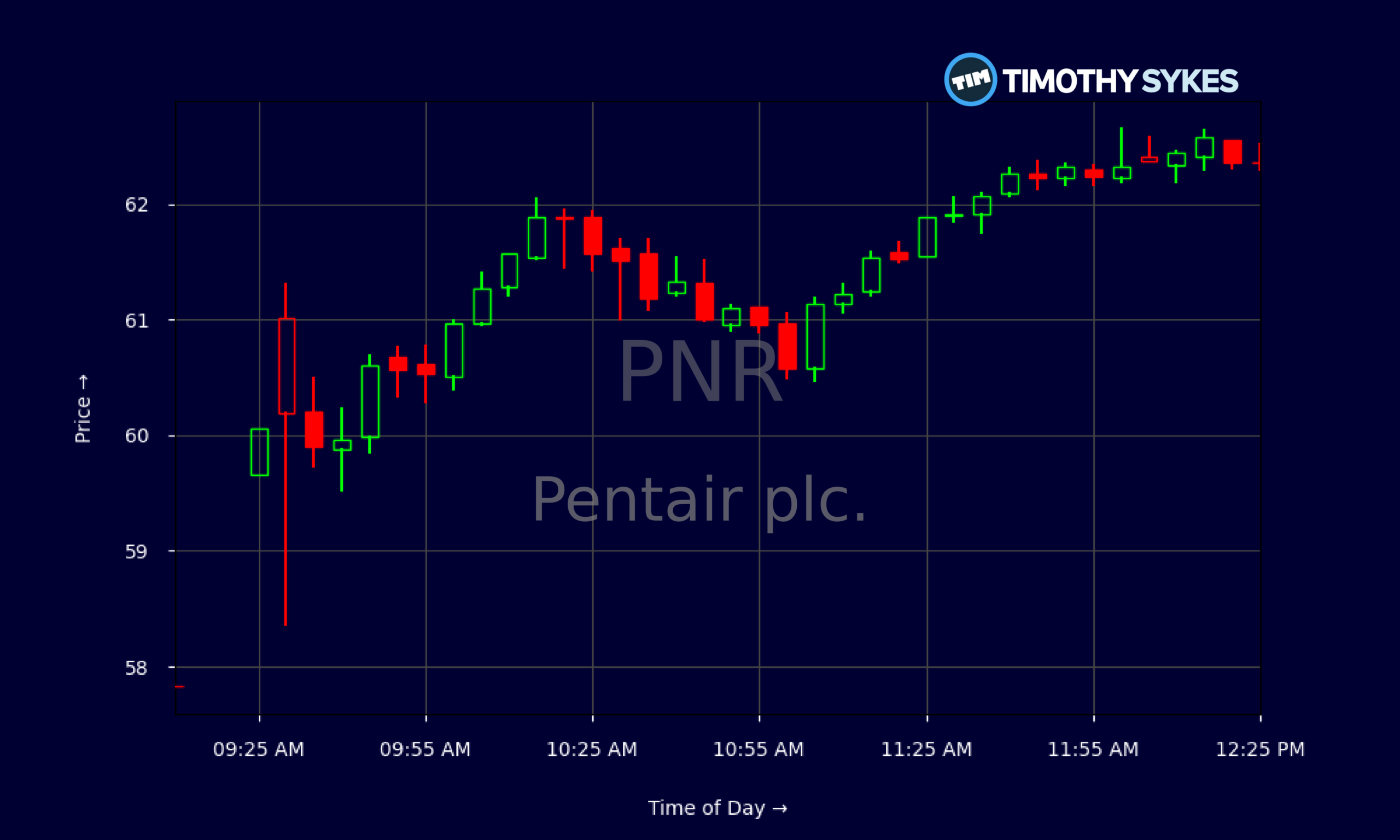
Live Update At 12:32:38 EDT: On Tuesday, October 27, 2026 Pentair plc. stock [NYSE: PNR] is trending up by 12.83%! Discover the key drivers behind this movement as well as our expert analysis in the detailed breakdown below.
Quick Financial Overview
PNR has quietly put together a strong bounce on the chart. From 2026/10/21 to 2026/10/27, Pentair stock ran from a close near $52.86 to $62.305, a roughly 18% surge in a few trading days. That is a serious short-term trend shift and exactly the kind of move momentum traders hunt.
Intraday on 2026/10/27, PNR showed steady accumulation rather than wild chop. After a sharp morning flush to $58.36, dip buyers stepped in and pushed the stock back over $62 by midday. The 5‑minute candles show higher lows and controlled pullbacks, a classic grind-up pattern that tells you real buying, not just algos, is supporting the move.
More Breaking News
Under the hood, Pentair’s fundamentals back up why so many firms still rate PNR overweight. The company generated about $4.18B in annual revenue with a healthy 41.4% gross margin and roughly 11.8% EBIT margin. A price-to-earnings ratio near 13.2 and price-to-free-cash around 3.7 place PNR in “quality at a reasonable price” territory for fundamental traders. Debt looks manageable with total debt-to-equity at 0.43 and interest coverage at 8.3 times. Add a dividend yield near 2%, and PNR screens as a solid, cash-generating name that traders can lean on when the chart lines up.
Why Traders Are Watching PNR Now
There is a tug-of-war playing out in PNR, and that is exactly what active traders want to see. On one side, you have analysts trimming price targets. On the other, the stock is ripping higher and the Street still leans bullish overall.
Start with the big guns. Oppenheimer cut its Pentair target to $84 from $94, but kept an Outperform on PNR. The key message: demand is still solid, industrial expansion continues, and water and construction names like Pentair can recover from recent weakness and potentially outperform into 2027. That is a medium-term growth story, not a broken one.
Mizuho followed a similar script. It slashed its Pentair price target from $85 to $65, yet also stuck with an Outperform rating. The firm basically recalibrated for seasonality and softer trends heading into Q3 2026 earnings on 2026/10/27. For traders, that sets up a clear catalyst: if PNR prints anything better than these toned-down expectations, there is room for an upside surprise.
TD Cowen’s move from Sell to Hold on PNR, with a $55 target, signals another shift. They still worry about pool-related demand and long-term earnings durability, but they admit a lot of pain is already priced in. RBC is more cautious, cutting its Pentair target to $61 with Sector Perform. Yet despite those trims, the broader analyst crowd still sits around a $69–$72 average target and an overweight stance on PNR.
Layer on the leadership news: Pentair appointed Josh Cowley as Executive Vice President and CEO of its Pentair Pool business. That is a direct shot at one of the company’s most questioned segments. With more than 25 years in pools, spas, and consumer and industrial products, Cowley is being brought in to stabilize and grow a cyclical business that has scared off some traders. Execution will matter, but management is clearly not sitting still.
For active traders, all of this adds up to a stock where sentiment is cautious, expectations are reset, but the tape is firming. Those are fertile conditions for sharp moves around data and headlines.
Conclusion
PNR is entering a key window. Earnings on 2026/10/27, a fresh leader in the Pentair Pool unit, and a pack of analysts who trimmed their targets but mostly stayed positive create a charged backdrop. When a stock like Pentair sells off, gets re‑rated lower, then rips nearly 20% into a major catalyst, traders need to pay attention to both price and narrative.
Fundamentally, Pentair is not acting like a company in trouble. The latest quarterly report showed $932.6M in revenue, solid profitability, and strong free cash flow of about $552.9M. Balance sheet metrics look sound, and PNR continues to return capital through dividends and buybacks. That helps explain why Oppenheimer and Mizuho still sit in the Outperform camp and why consensus targets for PNR remain well above recent prices.
But this is still a trader’s stock. Pool demand questions, higher rates, and macro noise can all hit sentiment fast. That is why risk management matters. As millionaire penny stock trader and teacher Tim Sykes says, “Preparation plus patience leads to big profits.” As Tim Sykes also likes to say, “Cut losses quickly, because holding and hoping is not a strategy.” For those studying PNR, the lesson is to let the chart and the catalysts guide you. Watch how Pentair trades into and out of earnings, track how the Street reacts to any update on the pool business under Josh Cowley, and always trade your plan, not your emotions. This is educational and research content, not a signal to buy or sell PNR, but it is a setup that belongs on every active trader’s watchlist.
This is stock news, not investment advice. Timothy Sykes News delivers real-time stock market news focused on key catalysts driving short-term price movements. Our content is tailored for active traders and investors seeking to capitalize on rapid price fluctuations, particularly in volatile sectors like penny stocks. Readers come to us for detailed coverage on earnings reports, mergers, FDA approvals, new contracts, and unusual trading volumes that can trigger significant short-term price action. Some users utilize our news to explain sudden stock movements, while others rely on it for diligent research into potential investment opportunities.
Dive deeper into the world of trading with Timothy Sykes, renowned for his expertise in penny stocks. Explore his top picks and discover the strategies that have propelled him to success with these articles:
- Penny Stocks Trading Guide
- Best Penny Stocks Under $1 to Buy Today
- Top 8 Penny Stocks to Watch on Robinhood
Once you’ve got some stocks on watch, elevate your trading game with StocksToTrade the ultimate platform for traders. With specialized tools for swing and day trading, StocksToTrade will guide you through the market’s twists and turns.
Dig into StocksToTrade’s watchlists here:





Leave a reply