
Banco Bradesco Sa faces mounting pressure after regulatory risk headlines, with stocks have been trading down by -27.52 percent.
Key Takeaways
- HSBC cut its rating on Banco Bradesco from Buy to Hold, signaling reduced upside expectations for the stock.
- A new $3.90 price target from HSBC puts a lid on near‑term bullish scenarios for BBD.
- The downgrade pushes traders to reframe BBD as a wait‑and‑see name rather than a momentum breakout.
- Recent price action shows BBD fading from $4.50 highs toward the new target range.
Live Update At 09:19:14 EDT: On Monday, October 26, 2026 Banco Bradesco Sa stock [NYSE: BBD] is trending down by -27.52%! Discover the key drivers behind this movement as well as our expert analysis in the detailed breakdown below.
Quick Financial Overview
Banco Bradesco Sa, trading under ticker BBD, has been moving in a tight but telling range. In recent sessions, BBD has slipped from highs near $4.50 down toward $4.00, closing around $4.07 after several days of lower highs and choppy closes. That staircase down lines up almost perfectly with HSBC’s new $3.90 price target, which now acts like a magnet under the chart.
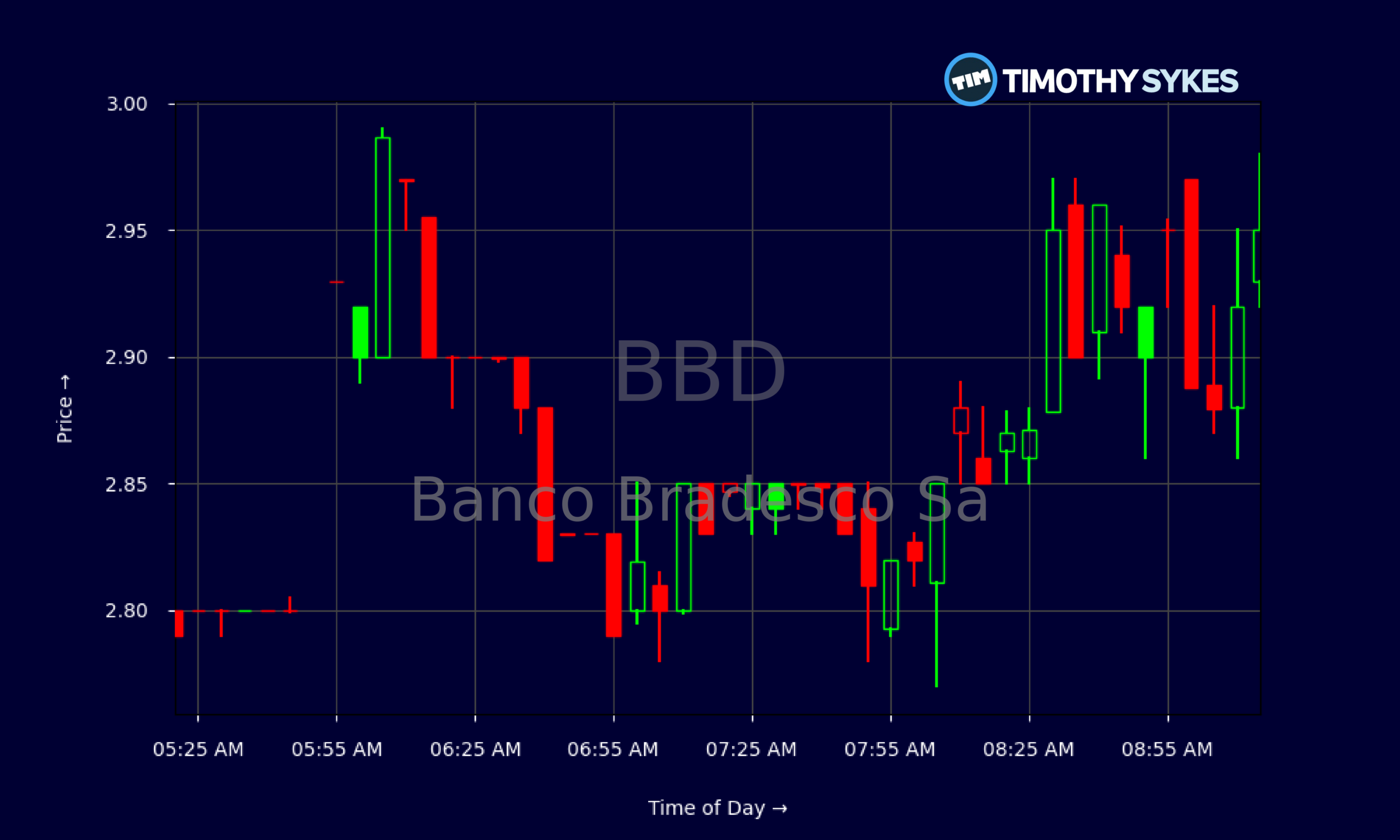
On the intraday tape, BBD has been grinding between roughly $2.80 and just under $3.00 in pre‑ and early‑session trading, showing lots of wicks but not much follow‑through. That kind of action tells traders there is supply on every pop and not enough aggressive buying to drive a clean trend.
More Breaking News
Fundamentally, Banco Bradesco Sa is not a tiny bank. The latest data show revenue around $105.3B and total assets above $2.33T, with BBD trading at about 10.3x earnings and roughly 2.25x sales. Return on equity sits near 4%, modest for a major Brazilian bank, and leverage is heavy with a ratio above 13. For traders, that mix screams “value with baggage” — not a high‑growth story, but a large balance sheet grinding through a tougher cycle.
Why Traders Are Watching BBD After The HSBC Downgrade
HSBC’s move on BBD is the main catalyst on the table. The bank shifted Banco Bradesco Sa from Buy to Hold and locked in a $3.90 price target. For a liquid, widely followed name like BBD, a downgrade from a global player like HSBC changes how a lot of professional desks frame their trading plans.
Before this call, BBD had momentum. The stock pushed from the mid‑$3s to $4.50, a strong percentage run in a short window. That run attracted momentum traders looking for continuation. Now the story has flipped. HSBC is effectively saying, “Most of the easy upside is already priced in,” and that message echoes across screens worldwide.
On the chart, BBD is already responding. The stock has rolled off the $4.50 area, with lower highs at $4.33, then $4.19, then $4.08 and $4.07. Each bounce is weaker. That’s classic distribution, and when an analyst downgrade lands on top of that pattern, many short‑term traders step back or even lean short near resistance.
For Banco Bradesco Sa, the $3.90 level now matters. It’s not magic, but it’s the number big funds will plug into models and risk systems. If BBD trades well above that level without fresh bullish news, some desks will sell into strength. If it dips below on heavy volume, others will watch for a flush toward prior support around the mid‑$3s. Either way, traders now have a clear reference point — and that’s what builds trade plans.
Conclusion
For active traders, BBD is shifting from a clean momentum long to a more tactical, range‑bound setup. Banco Bradesco Sa still shows the scale of a major financial institution, with over $2.33T in assets and strong deposit funding. But the market trades expectations, not just size, and HSBC’s downgrade to Hold with a $3.90 target lowers those expectations in the near to medium term.
This does not mean Banco Bradesco Sa is broken. It means the market now views BBD as fairly valued to slightly stretched after its recent run. With a price‑to‑book around 1.38 and a forward dividend yield near 1.1%, the stock sits in that middle zone where aggressive growth traders lose interest and value‑oriented capital waits for better entry points.
For short‑term chart traders, this is where discipline matters. BBD’s intraday action — lots of tight candles around $2.80–$2.95 and repeated failure above recent highs — tells you to focus on levels, volume, and risk first, story second. As Tim Sykes likes to say, “Your job isn’t to predict the future, it’s to react to the present and cut losses fast.” As millionaire penny stock trader and teacher Tim Sykes says, “Embrace the journey, the ups and downs; each mistake is a lesson to improve your strategy.”. Banco Bradesco Sa gives traders a clear map now: respect the $3.90 area, don’t chase, and let the chart prove when momentum truly returns.
This is stock news, not investment advice. Timothy Sykes News delivers real-time stock market news focused on key catalysts driving short-term price movements. Our content is tailored for active traders and investors seeking to capitalize on rapid price fluctuations, particularly in volatile sectors like penny stocks. Readers come to us for detailed coverage on earnings reports, mergers, FDA approvals, new contracts, and unusual trading volumes that can trigger significant short-term price action. Some users utilize our news to explain sudden stock movements, while others rely on it for diligent research into potential investment opportunities.
Dive deeper into the world of trading with Timothy Sykes, renowned for his expertise in penny stocks. Explore his top picks and discover the strategies that have propelled him to success with these articles:
- Penny Stocks Trading Guide
- Best Penny Stocks Under $1 to Buy Today
- Top 8 Penny Stocks to Watch on Robinhood
Once you’ve got some stocks on watch, elevate your trading game with StocksToTrade the ultimate platform for traders. With specialized tools for swing and day trading, StocksToTrade will guide you through the market’s twists and turns.
Dig into StocksToTrade’s watchlists here:




Leave a reply