

J-Star Holding Co. Ltd. stocks have been trading up by 63.35 percent amid heightened investor interest and positive sentiment.
Key Takeaways
- Houston automated carbon-fiber facility plan from J-Star has already driven a more-than-doubling in the YMAT share price with extreme trading volume.
- Premarket, J-Star (YMAT) spiked roughly 141% after tying ongoing corporate capital initiatives directly to funding the new Houston carbon fiber production site.
- The violent price move in YMAT is pulling in momentum-focused traders who thrive on quick spikes, wide ranges, and heavy liquidity.
- Despite the bullish reaction, J-Star’s balance sheet remains highly stressed, so traders need to respect risk and manage position size carefully.
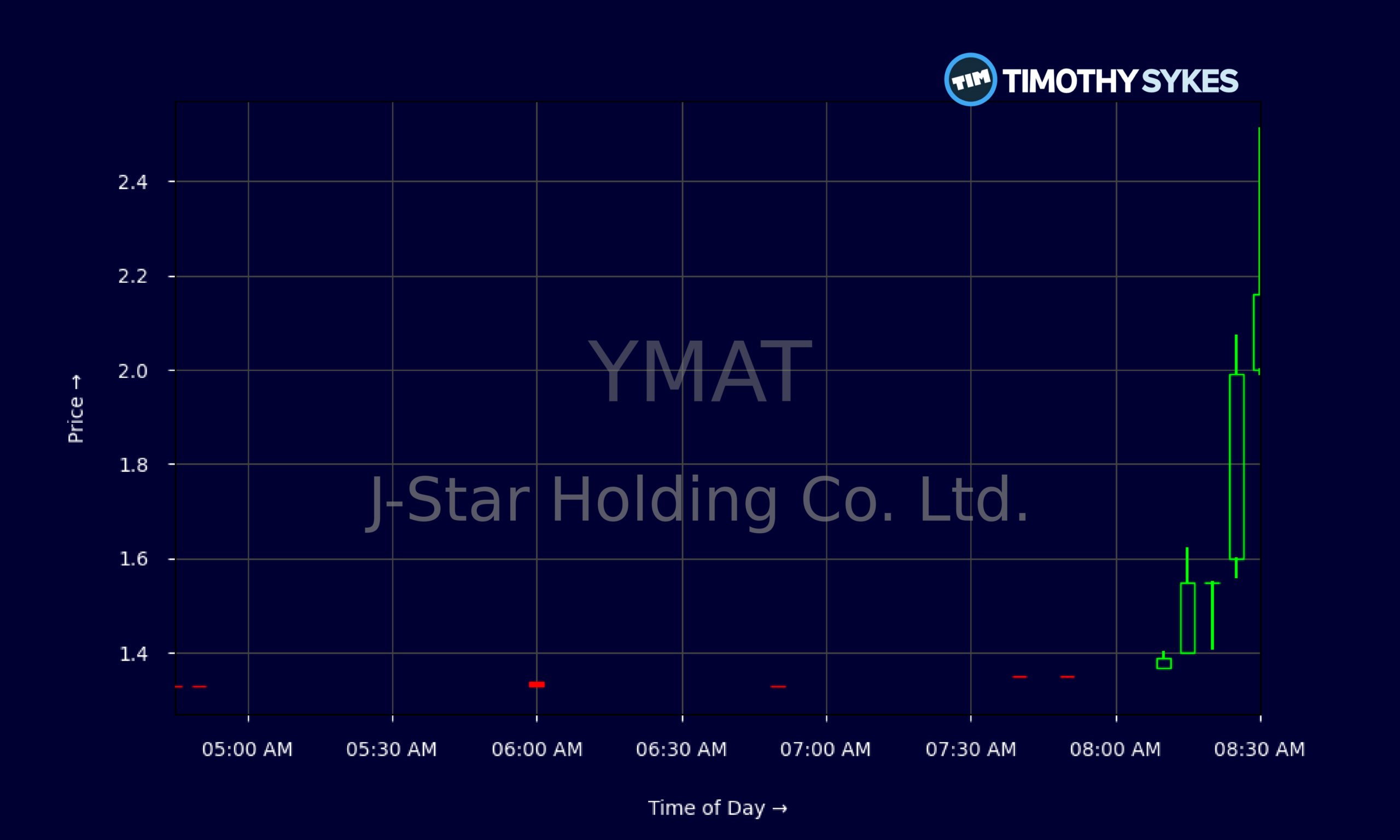
Live Update At 08:32:34 EDT: On Monday, October 19, 2026 J-Star Holding Co. Ltd. stock [NASDAQ: YMAT] is trending up by 63.35%! Discover the key drivers behind this movement as well as our expert analysis in the detailed breakdown below.
Quick Financial Overview
YMAT has turned into a textbook momentum rollercoaster. Before the Houston facility news, J-Star Holding Co. Ltd. mostly chopped between roughly $1.30 and $1.70, with thin, quiet trading days. The daily chart shows closes around $1.41–$1.58 through late 2026/09, with no real sustained trend. Then the narrative changed.
On 2026/10/12, YMAT ripped from a prior close near $1.29 into a high of $4.49 before settling around $2.91. That is a massive range for a low-priced stock and signals one thing to active traders: fresh speculation. Intraday, the 5-minute candles show YMAT jumping from about $1.33 in the early premarket to over $2.50 shortly after 08:30, lining up with the news about the new automated carbon-fiber facility in Houston.
More Breaking News
Under the hood, though, J-Star is far from a clean balance sheet story. The company has around $9.9M in annual revenue, but total liabilities of roughly $13.9M and negative equity near -$6.8M. Price-to-sales sits at about 0.52 and price-to-book near 0.42, signaling a beaten-down valuation before the spike. For traders, that mix—weak fundamentals plus sudden hot news—is classic fuel for short-term momentum, not a long-term safety net.
Why Traders Are Watching YMAT After The Houston News
The catalyst is clear and sharp. J-Star announced that its ongoing capital initiatives will fund a new automated carbon-fiber production facility in Houston. The market loved it—at least in the short term. YMAT more than doubled, and one report pegged the premarket jump at roughly 141% once the news hit. That kind of immediate reaction tells traders exactly what they are dealing with: a story-driven momentum play.
Traders in the Tim Sykes community look for exactly this type of setup. A small-cap stock like YMAT, a concrete expansion headline, and a chart flipping from sleepy to explosive in a single session. The Houston facility story gives J-Star Holding Co. Ltd. a “growth” narrative tied to advanced manufacturing and carbon fiber, which many market participants associate with high-tech, high-margin potential. Whether or not that plays out financially, the headline alone is enough to draw volume.
Volume is the key here. The news triggered an “extreme spike in trading volume,” which matters more to day traders than any long-term forecast. High volume means better fills, tighter spreads, and cleaner breakouts or breakdowns on intraday patterns. When YMAT surged from the low $1s into the mid-$2s and beyond during premarket, it opened the door for gap-and-go strategies, dip buys near prior support, and even short setups for those betting on a fade.
Still, experienced traders know a 141% premarket jump rarely moves in a straight line. Many will stalk YMAT for second-day and third-day plays—morning panics, bounce opportunities, and lower-high patterns—rather than blindly chasing the first spike. The Houston facility gives the story legs, but the price action will decide who wins.
Conclusion
YMAT is now firmly on the speculative radar. J-Star Holding Co. Ltd. went from a thinly traded, low-priced name to a volatile momentum vehicle in a single news cycle, all because of one key decision: using capital initiatives to fund an automated carbon-fiber facility in Houston. The market read that as aggressive expansion and repriced the stock in dramatic fashion, sending YMAT up more than 100% and driving huge volume.
But traders should not confuse a hot chart with a healthy company. J-Star still carries heavy liabilities, negative equity, and limited cash. That backdrop means YMAT remains fragile under the surface. The Houston facility plan may change the long-term story, yet in the near term it mainly supercharges trading swings.
For active traders, the approach stays the same: treat YMAT as a trade, not a belief system. Study the intraday levels around $2.00–$2.50 where premarket action clustered, respect the prior $4.49 high as a potential blow-off level, and be ready for sharp reversals. This is exactly the kind of name that rewards speed and discipline. As millionaire penny stock trader and teacher Tim Sykes, says, “Be patient, don’t force trades, and let the perfect setups come to you.” Applying that mindset to YMAT means waiting for clean patterns, clear risk levels, and proper range rather than chasing every spike.
Tim Sykes likes to say, “The market doesn’t care about your opinions, only your discipline.” YMAT is now a live case study in that idea—huge upside swings on news, real downside risk if the story cools, and a perfect training ground for traders who cut losses fast and focus on patterns, not hype.
This is stock news, not investment advice. Timothy Sykes News delivers real-time stock market news focused on key catalysts driving short-term price movements. Our content is tailored for active traders and investors seeking to capitalize on rapid price fluctuations, particularly in volatile sectors like penny stocks. Readers come to us for detailed coverage on earnings reports, mergers, FDA approvals, new contracts, and unusual trading volumes that can trigger significant short-term price action. Some users utilize our news to explain sudden stock movements, while others rely on it for diligent research into potential investment opportunities.
Dive deeper into the world of trading with Timothy Sykes, renowned for his expertise in penny stocks. Explore his top picks and discover the strategies that have propelled him to success with these articles:
- Penny Stocks Trading Guide
- Best Penny Stocks Under $1 to Buy Today
- Top 8 Penny Stocks to Watch on Robinhood
Once you’ve got some stocks on watch, elevate your trading game with StocksToTrade the ultimate platform for traders. With specialized tools for swing and day trading, StocksToTrade will guide you through the market’s twists and turns.
Dig into StocksToTrade’s watchlists here:





Leave a reply