

FTC Solar Inc. stocks have been trading up by 11.03 percent amid upbeat sentiment on accelerating solar infrastructure demand.
Key Takeaways For FTCI Traders
- U.S. manufacturers near commercialization of higher‑efficiency tandem solar panels, a shift that could favor solar‑exposed names such as FTC Solar (FTCI) over time.
- FTC Solar amended its credit deal, pushing a $5M term‑loan repayment to 2027 and easing covenants, giving FTCI near‑term liquidity and operating runway.
- The company scheduled its Q3 2026 earnings release and call, setting up the next key catalyst for FTCI as management updates on demand and margins.
- Multiple Form 4 filings show insider or major‑holder activity in FTCI, but no details on direction or size, limiting how much traders can read into the moves.
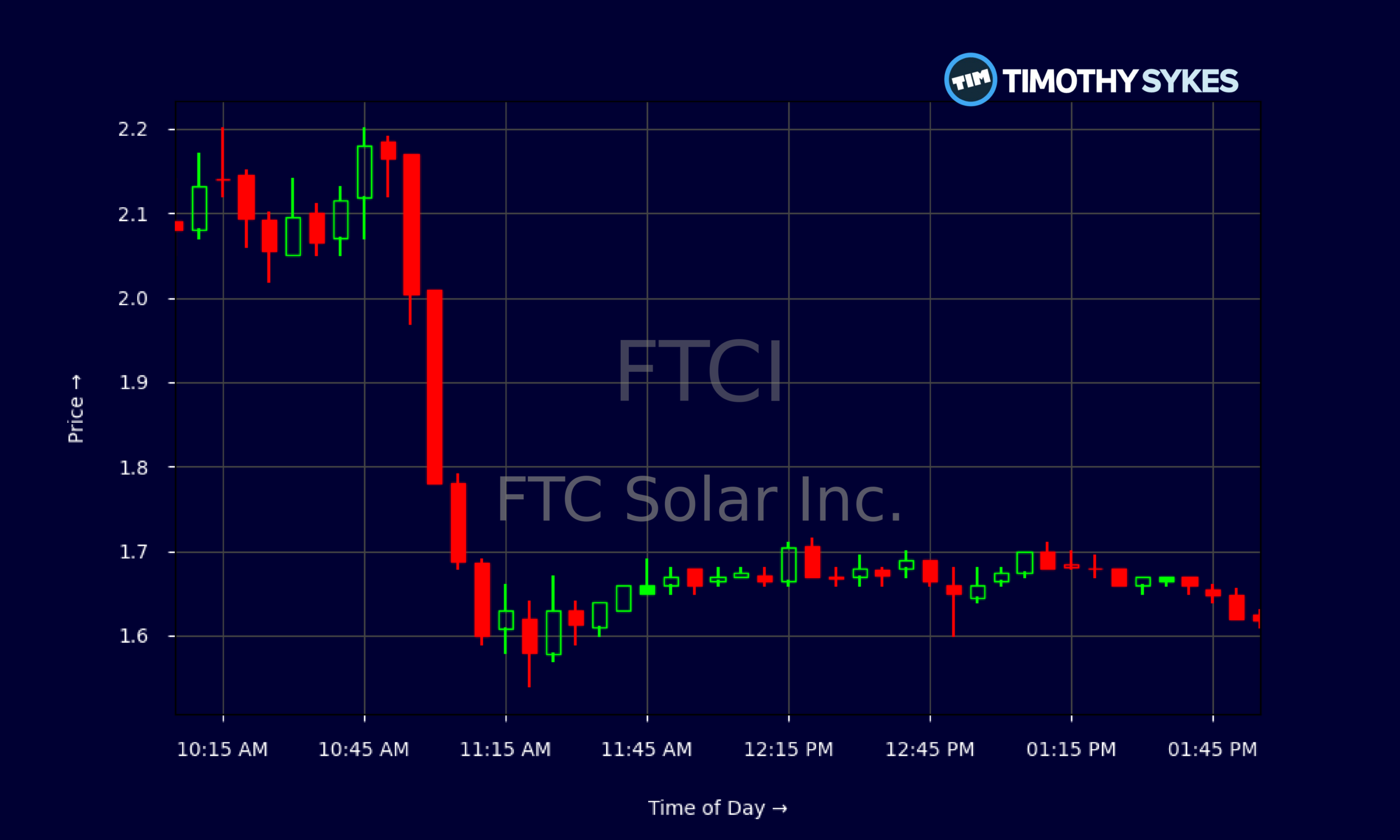
Live Update At 14:02:32 EST: On Wednesday, November 04, 2026 FTC Solar Inc. stock [NASDAQ: FTCI] is trending up by 11.03%! Discover the key drivers behind this movement as well as our expert analysis in the detailed breakdown below.
Quick Financial Overview
FTCI is still a turnaround story on the numbers, and the chart reflects that grind. On the daily chart from 2026/10/12 to 2026/11/04, FTC Solar slid from around $1.94 to $1.61, with a failed push over $2.20 on 2026/11/04 that sold off hard intraday. That spike‑and‑fade tells traders there is interest in FTCI, but also plenty of supply overhead and quick profit‑taking.
Financially, FTC Solar is not out of the woods. For Q2 2026, the company posted revenue of about $26.2M and a net loss of roughly $27.1M. Gross margin was slightly negative, and EBITDA was deeply in the red. Key profitability ratios show heavy pressure: EBIT margin near ‑38% and profit margins above ‑50%. FTCI is moving a lot of product relative to its asset base, but it is not doing it profitably yet.
More Breaking News
Liquidity is tight. Current ratio sits at 0.9 and quick ratio around 0.6, with negative equity and a working capital deficit. For short‑term trading, that mix often means volatility: any good news can squeeze shorts, while bad news can accelerate downside because the balance sheet leaves little room for error.
Why Traders Are Watching FTC Solar Now
Despite the ugly margins, FTC Solar is sitting at the crossroads of two big stories that keep traders circling the ticker. First, the macro solar tech angle: The New York Times reports U.S. manufacturers are close to commercializing tandem solar panels that generate roughly 25% more energy than conventional modules. That higher output can shrink land and roof requirements and helps U.S. and allied producers push back against China’s dominance.
FTCI is named among the solar‑exposed public companies that stand to benefit if tandem panels gain traction. That matters because FTC Solar focuses on trackers, software, and engineering that help utility‑scale projects squeeze more power out of each site. If developers start layering in higher‑efficiency modules, the drive to optimize tilt, orientation, and system design only grows. For momentum‑focused traders, that is the type of long‑term narrative that can fuel multi‑day runs when headlines or volume kick in.
The second story is balance‑sheet breathing room. FTC Solar amended its credit agreement, deferring a $5M principal payment to 2027/03/31, suspending financial covenants for the rest of 2026, and pushing stricter cash and EBITDA tests into early 2027. That takes covenant‑breach risk off the table near term and gives management space to chase backlog and cost cuts. When a name like FTCI is burning cash but still has a real business, this kind of extension can reset the clock and attract speculative trading.
Layered on top are multiple Form 4 filings around 2026/10/23 showing insider or major‑holder changes in beneficial ownership. The filings do not say whether those were buys or sells, but they confirm insiders are actively adjusting positions during this period of credit relief and upcoming earnings — another ingredient for short‑term volatility.
Conclusion
For active traders, FTCI is a classic high‑risk, high‑volatility solar small cap where fundamentals and narrative are fighting it out in real time. On one side, the numbers are rough: negative equity, weak margins, and a stock that just rejected the low‑$2s and closed back at $1.61. On the other, FTC Solar just bought time with its lenders and sits in the slipstream of a potentially major technology upgrade as tandem solar panels move closer to commercialization.
The amended credit agreement is a key near‑term support for FTC Solar, reducing default worries while management works through its cost base and pursues new projects. The scheduled Q3 2026 earnings call will be the next real test. Traders will want to see if FTCI can translate its liquidity extension into improving gross margins, tighter operating expenses, and a clearer path toward break‑even cash flow.
Until then, the tape is the truth. FTCI’s intraday action — sharp morning spikes followed by midday fades — shows day traders already treating it as a trading vehicle, not a safe haven. As Tim Sykes often says, “The market doesn’t care about your opinion, only price action and catalysts.” As millionaire penny stock trader and teacher Tim Sykes says, “The goal is not to win every trade but to protect your capital and keep moving forward.” For FTC Solar, the catalysts are lining up; disciplined traders will focus on the chart, the upcoming earnings update, and strict risk management rather than any single headline.
This is stock news, not investment advice. Timothy Sykes News delivers real-time stock market news focused on key catalysts driving short-term price movements. Our content is tailored for active traders and investors seeking to capitalize on rapid price fluctuations, particularly in volatile sectors like penny stocks. Readers come to us for detailed coverage on earnings reports, mergers, FDA approvals, new contracts, and unusual trading volumes that can trigger significant short-term price action. Some users utilize our news to explain sudden stock movements, while others rely on it for diligent research into potential investment opportunities.
Dive deeper into the world of trading with Timothy Sykes, renowned for his expertise in penny stocks. Explore his top picks and discover the strategies that have propelled him to success with these articles:
- Penny Stocks Trading Guide
- Best Penny Stocks Under $1 to Buy Today
- Top 8 Penny Stocks to Watch on Robinhood
Once you’ve got some stocks on watch, elevate your trading game with StocksToTrade the ultimate platform for traders. With specialized tools for swing and day trading, StocksToTrade will guide you through the market’s twists and turns.
Dig into StocksToTrade’s watchlists here:





Leave a reply