

Ondas Inc stocks have been trading down by -15.27 percent amid bearish sentiment over its latest technology deployment setbacks.
Key Takeaways
- Shares of ONDS have dropped from the mid-$6s to the mid-$4s, putting a sharp pullback on every trader’s radar.
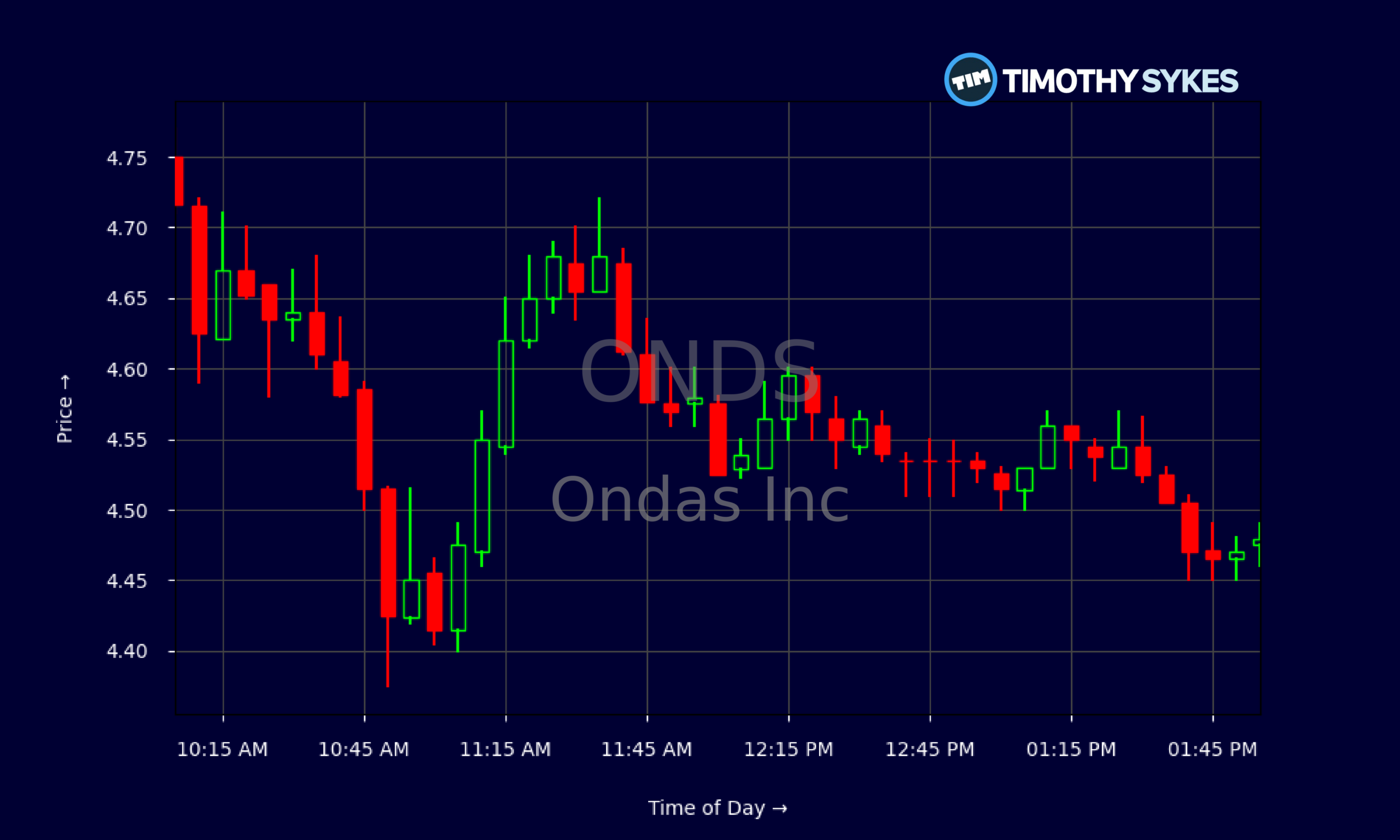
- Recent intraday trading shows ONDS bouncing around $4.40–$4.70, hinting at short-term consolidation after heavy selling.
- The latest report shows Ondas Inc with more than $650M in cash but continued negative free cash flow, a classic high-burn growth profile.
- ONDS trades at a rich price-to-sales multiple, so any slowdown in revenue progress can hit the stock hard.
Live Update At 14:02:09 EST: On Thursday, November 05, 2026 Ondas Inc stock [NASDAQ: ONDS] is trending down by -15.27%! Discover the key drivers behind this movement as well as our expert analysis in the detailed breakdown below.
Quick Financial Overview
ONDS is trading like a classic high-growth, high-burn story. On the income side, Ondas Inc reported about $83.8M in total revenue, with gross profit near $36.1M. That gives ONDS a solid 43.7% gross margin, but the problem is below the line: operating expenses of roughly $179.8M drove an operating loss of about $143.7M and a net loss around $88.6M. For traders, that means the story is still about scaling, not earnings.
Cash flow backs this up. ONDS posted operating cash outflow near $86.1M and free cash flow around -$93.8M. That is a heavy burn, but the balance sheet shows cash and equivalents of about $657.9M plus large short-term investments, giving Ondas Inc significant runway.
More Breaking News
Leverage is low, with total debt tiny relative to equity and a current ratio near 9.9. So ONDS is not a balance-sheet fire drill. The real question for trading is whether the market keeps rewarding a stock with a price-to-sales ratio over 22 while losses remain steep.
Why Traders Are Watching ONDS Price Action Closely
On the chart, ONDS has gone from a recent high above $7 to a close near $4.47 on 2026/11/05. That is a serious trend break. The daily data show a grinding fade: multiple sessions clustered in the $6–$7 zone, then a sharp air pocket down to the $4s over just a few days. For momentum traders, that kind of break usually signals profit taking, trapped longs, and a possible sentiment shift.
Intraday, ONDS opened around $5.09 and slid most of the day. Early liquidity above $4.90 was sold into, with lower highs building all morning. By late afternoon, Ondas Inc was chopping between roughly $4.45 and $4.50, showing short-term support but no real bounce. That tells traders the selling pressure eased, yet dip buyers are still cautious.
Technically, prior congestion in the low $6s now flips into potential resistance. Any ONDS push back through $5 and toward $5.50–$6 faces overhead supply from traders who got caught on the way down and want out on strength. On the downside, today’s low near $4.38 becomes a key line in the sand. If Ondas Inc cracks that level with volume, many short-term traders will treat it as a fresh breakdown.
For day traders, the tight 5-minute range in the afternoon offers clear risk levels. For swing traders, the bigger story is whether ONDS stabilizes around the mid-$4s or continues to unwind a crowded long trade.
Conclusion
ONDS sits at an interesting crossroads. Fundamentally, Ondas Inc shows strong top-line growth and healthy gross margins, backed by a big cash pile and low debt. At the same time, the latest quarter shows deep operating losses and heavy negative free cash flow, which means the company still has to prove it can turn that growth into durable profits.
The chart is sending its own message. ONDS has broken down from the $6–$7 zone into the mid-$4s, and the intraday tape shows selling followed by sideways drifting instead of a powerful bounce. That is classic “momentum cooling” behavior. Short sellers will watch for failed bounces into prior support, while disciplined longs will focus on whether Ondas Inc can hold the recent lows and build a base.
For active traders, the plan is simple: map the levels, respect the trend, and react to price, not hope. As Tim Sykes likes to remind his students, “The market doesn’t care about your opinion, only your discipline.” That focus on discipline extends beyond just entries and exits; it also applies to risk management and capital preservation. As millionaire penny stock trader and teacher Tim Sykes, says, “It’s not about how much money you make; it’s about how much money you keep.”. With ONDS, discipline means tight risk around the recent lows, taking singles when volatility offers them, and staying ready for both a sharp relief spike or a continued fade. This analysis is for educational and research purposes only, not a recommendation to buy or sell ONDS.
This is stock news, not investment advice. Timothy Sykes News delivers real-time stock market news focused on key catalysts driving short-term price movements. Our content is tailored for active traders and investors seeking to capitalize on rapid price fluctuations, particularly in volatile sectors like penny stocks. Readers come to us for detailed coverage on earnings reports, mergers, FDA approvals, new contracts, and unusual trading volumes that can trigger significant short-term price action. Some users utilize our news to explain sudden stock movements, while others rely on it for diligent research into potential investment opportunities.
Dive deeper into the world of trading with Timothy Sykes, renowned for his expertise in penny stocks. Explore his top picks and discover the strategies that have propelled him to success with these articles:
- Penny Stocks Trading Guide
- Best Penny Stocks Under $1 to Buy Today
- Top 8 Penny Stocks to Watch on Robinhood
Once you’ve got some stocks on watch, elevate your trading game with StocksToTrade the ultimate platform for traders. With specialized tools for swing and day trading, StocksToTrade will guide you through the market’s twists and turns.
Dig into StocksToTrade’s watchlists here:





Leave a reply