
Intel Corporation stocks have been trading down by -3.16 percent as reports highlight weakening PC demand and chip oversupply.
Key Takeaways
- Intel shares are down about 4% premarket after Elon Musk’s Terafab confirmed talks with TSMC on a dedicated chip facility, clouding Intel’s earlier foundry partnership narrative.
- The stock recently gained about 2.6% after JPMorgan upgraded INTC to Neutral with an $85 price target, despite shares trading near $92.15.
- A broader semiconductor sell-off dragged Micron, AMD, and Intel lower by 2.0%, 1.8%, and 1.4%, reminding traders that sector sentiment still drives day‑to‑day moves.
Live Update At 07:47:48 EDT: On Thursday, October 29, 2026 Intel Corporation stock [NASDAQ: INTC] is trending down by -3.16%! Discover the key drivers behind this movement as well as our expert analysis in the detailed breakdown below.
Quick Financial Overview
INTC has been trading like a high‑beta momentum name, not an old‑school chip dividend payer. Over the recent stretch, Intel Corporation ran from around $116 on 2026/10/05 down into the low $90s, then bounced into the mid‑$90s. That is a fast round trip for a mega‑cap. Daily ranges of $3–$5 show real two‑way action, which is exactly what short‑term traders want.
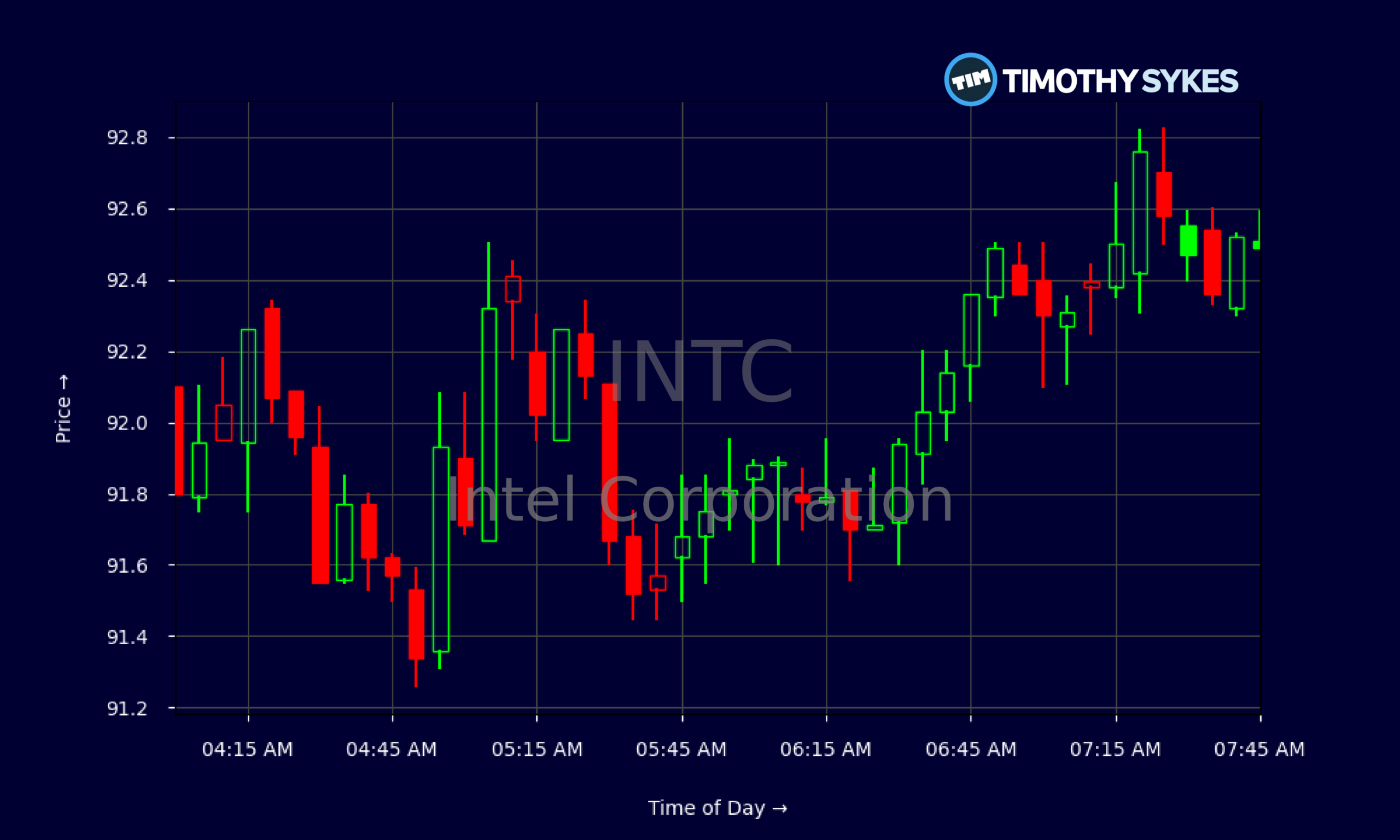
Intraday, the 5‑minute data around the low‑$90s level shows tight, liquid trading with steady prints between $91.50 and $92.80. That tells active traders there is strong price discovery and plenty of liquidity to get in and out without massive slippage.
More Breaking News
Fundamentally, INTC is still in a heavy rebuilding phase. Revenue over the last year sits near $52.9B, but margins are ugly. Intel Corporation posted a profit margin around ‑20% and negative returns on equity and assets. Yet operating cash flow of about $7.0B last quarter and free cash flow near $4.5B show the core business still throws off cash, even with a reported net loss above $10B. The balance sheet carries leverage but not crisis levels, which gives INTC time to execute its turnaround.
Why Traders Are Watching INTC Volatility
Traders are glued to INTC because the stock’s narrative is flipping back and forth between “turnaround winner” and “legacy laggard.” On 2026/10/19, Intel Corporation popped roughly 2.6% after JPMorgan upgraded the name to Neutral. That’s not a raging bull call, but it matters. When a big bank moves from negative to neutral and pins an $85 target under a $92.15 market price, it signals two things: respect for Intel’s progress and concern that the easy upside has already been taken.
From a trading lens, that kind of upgrade often fuels short‑term squeezes and fast pops. INTC did exactly that, rewarding anyone already long into the news. But the target under spot tells disciplined traders not to marry the stock at elevated levels.
Then came the gut punch. Elon Musk confirmed that his Terafab chip initiative is talking with TSMC about building a dedicated facility to feed Tesla, SpaceX, and xAI. Intel Corporation had previously been floated as a key foundry partner for Terafab. Now, traders are staring at a premarket drop of about 4% as the market prices in the chance that INTC gets a smaller slice of that high‑profile AI chip pie, or none at all.
Layer on top the recent session where Micron, AMD, and Intel all slid—2.0%, 1.8%, and 1.4%—with no company‑specific news. That tells traders a lot of this action is still macro and sector‑flow driven. When semis as a group catch a downdraft, even a turnaround name like INTC gets yanked lower, regardless of its own headlines.
For active traders, this stew—JPMorgan upgrade, Musk‑TSMC risk, and sector swings—creates exactly what they crave: volatility, clear catalysts, and key levels to trade around on Intel Corporation.
Conclusion
Right now, INTC sits at the crossroads of hype, risk, and real numbers. On one side, Intel Corporation is pouring capital into fabs and foundry ambitions, backed by more than $100B in assets and solid liquidity. The latest quarter shows negative net income, but strong operating and free cash flow that give the company runway to keep building. That is why a major firm like JPMorgan is willing to step up to Neutral even with valuation stretched versus its $85 target.
On the other side, Musk’s Terafab talks with TSMC remind traders that the foundry race is brutal. If Terafab sidelines Intel Corporation, that is not just a lost revenue line—it is a narrative hit to INTC’s push to matter in next‑gen AI chips. Add in broad semiconductor swings dragging INTC down alongside Micron and AMD, and the tape becomes a battlefield where sentiment can flip in minutes.
For short‑term traders, the message is simple: trade the price action, not the story you wish were true. INTC’s sharp bounces from the high‑80s to mid‑90s show how fast sentiment resets around key headlines. As Tim Sykes loves to say, “Patterns repeat, but only for traders who are prepared.” As millionaire penny stock trader and teacher Tim Sykes, says, “You must adapt to the market; the market will not adapt to you.”. For Intel Corporation, that means mapping the levels, tracking every Musk and Wall Street headline, and staying nimble enough to cut losses fast when the narrative turns. This content is for educational and research purposes only and is not investment advice.
This is stock news, not investment advice. Timothy Sykes News delivers real-time stock market news focused on key catalysts driving short-term price movements. Our content is tailored for active traders and investors seeking to capitalize on rapid price fluctuations, particularly in volatile sectors like penny stocks. Readers come to us for detailed coverage on earnings reports, mergers, FDA approvals, new contracts, and unusual trading volumes that can trigger significant short-term price action. Some users utilize our news to explain sudden stock movements, while others rely on it for diligent research into potential investment opportunities.
Dive deeper into the world of trading with Timothy Sykes, renowned for his expertise in penny stocks. Explore his top picks and discover the strategies that have propelled him to success with these articles:
- Penny Stocks Trading Guide
- Best Penny Stocks Under $1 to Buy Today
- Top 8 Penny Stocks to Watch on Robinhood
Once you’ve got some stocks on watch, elevate your trading game with StocksToTrade the ultimate platform for traders. With specialized tools for swing and day trading, StocksToTrade will guide you through the market’s twists and turns.
Dig into StocksToTrade’s watchlists here:





Leave a reply