

CareDx Inc. stocks have been trading up by 22.51 percent following impactful news signaling strengthened diagnostics growth prospects.
Key Takeaways
- Q3 revenue around $139M–$139.4M and GAAP EPS of $0.35 crushed expectations, with adjusted EPS hitting $0.70 per share.
- Full-year 2026 revenue guidance lifted to $520M–$530M, well ahead of prior guidance and Street consensus near $495M, with adjusted EBITDA now pegged at $90M–$100M.
- Canaccord and BTIG both raised CDNA price targets into the $80–$81 range, reiterating Buy ratings and citing strong fundamentals and growth potential.
- New multinational data from ASN Kidney Week 2026 showed AlloSure Kidney and AlloSure Plus cut invasive biopsies while keeping transplant rejection prediction strong under updated Banff 2024 criteria.
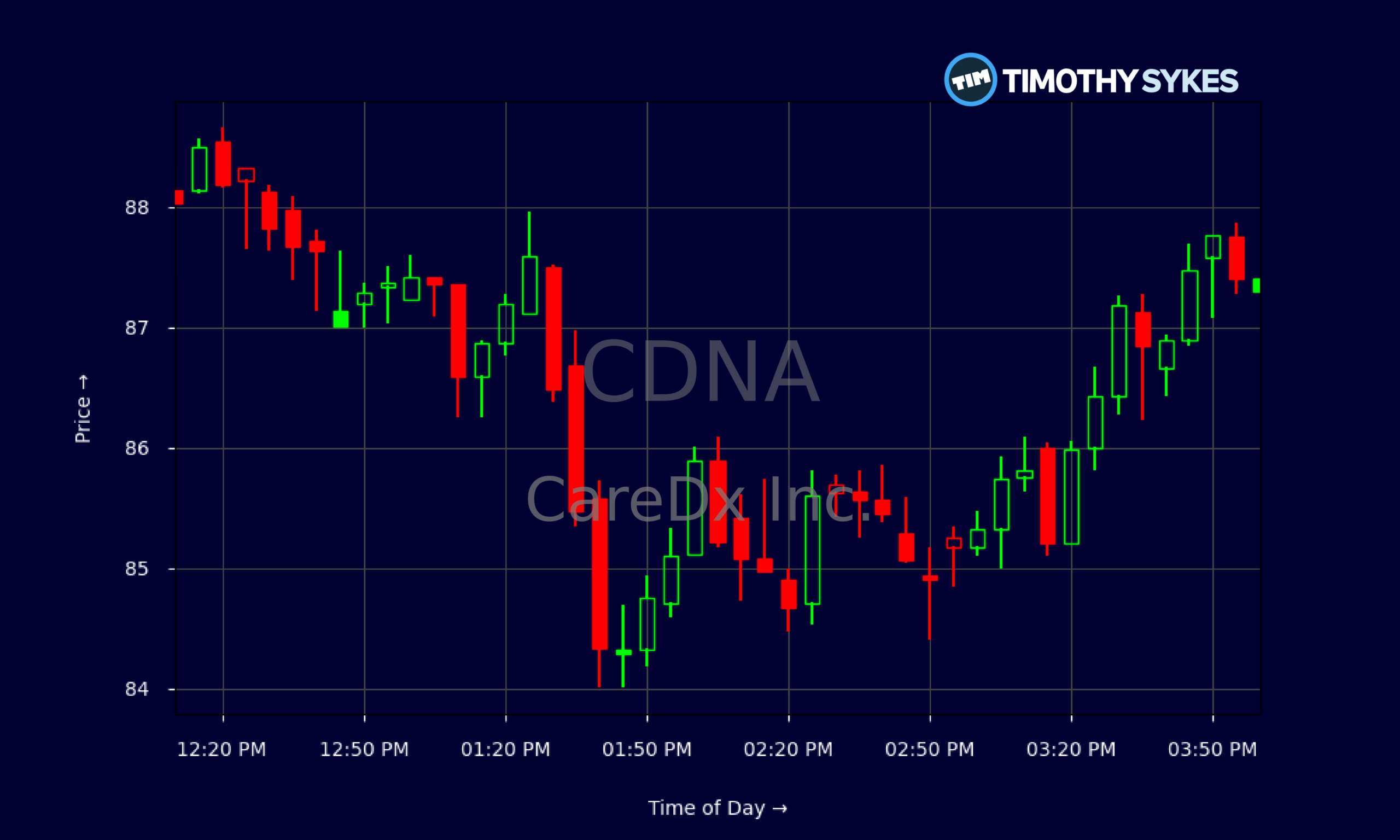
Live Update At 16:46:55 EDT: On Friday, October 30, 2026 CareDx Inc. stock [NASDAQ: CDNA] is trending up by 22.51%! Discover the key drivers behind this movement as well as our expert analysis in the detailed breakdown below.
Quick Financial Overview
CDNA has been trading like a textbook earnings breakout. On 2026/10/29, CareDx closed at $71.52. One day later, after the Q3 numbers and raised guidance hit, CDNA ripped to a $90.87 intraday high and finished at $87.41. That is a multi-day move from the mid‑60s to high‑80s, driven by real numbers, not hype.
On the tape, CDNA shows strong intraday demand. The 5‑minute chart for the latest session holds most of the day above $85, with repeated pushes toward the high‑80s. Dips toward the mid‑80s are getting bought, a sign of active momentum trading and short‑term profit taking rather than panic selling.
More Breaking News
Fundamentally, CDNA’s Q3 revenue of roughly $139M sits well above prior consensus around $122M. Q3 diluted EPS of $0.35, plus adjusted EPS of $0.70, signal that CareDx’s transplant and specialty oncology businesses are scaling. Margins are improving off a high 70.6% gross margin base, while leverage stays low, with total debt to equity at just 0.05. For traders, that combination of growth, profitability, and balance‑sheet strength often supports extended trend moves when the market wakes up to the story.
Why Traders Are Watching CDNA
CDNA is in the middle of a classic catalyst chain: earnings beat, guidance hike, and analyst upgrades all landing within days. CareDx’s Q3 print showed revenue of $139M–$139.4M versus consensus near $122M, powered by its Transplant segment, growth in Specialty Oncology, and progress in cell therapy and molecular information. When a diagnostics name like CDNA beats on both the top and bottom line, traders pay attention.
The bigger driver is forward guidance. CareDx now expects 2026 revenue of $520M–$530M, well above both its prior $490M–$500M range and the $495M Street consensus. Adjusted EBITDA guidance jumped to $90M–$100M from $66M–$78M. That tells traders management is not just optimistic; it is seeing operating leverage kick in. In momentum trading, raised guidance often matters even more than a single strong quarter, because it forces models and price targets higher.
Wall Street is already reacting. Canaccord pushed its CDNA price target to $80 from $65, while BTIG lifted its target from $74 to $81, both with Buy ratings and commentary around strong underlying fundamentals. Those targets now cluster around where CDNA just traded intraday, creating a visible “anchor zone” for traders gauging upside.
Underneath the numbers, clinical data is shoring up the story. At ASN Kidney Week 2026, CareDx’s AlloSure Kidney and AlloSure Plus showed they can sharply reduce invasive kidney biopsies while still predicting rejection risk, and they held up under the tougher Banff 2024 criteria. That kind of multinational, independent validation helps CDNA defend pricing, fuel adoption, and extend its transplant diagnostics moat—key context for anyone trading the revenue ramp.
Conclusion
For active traders, CDNA now sits at the crossroads of strong fundamentals and hot price action. The stock has pushed from the mid‑60s to the high‑80s as the market digests a Q3 beat, adjusted EPS of $0.70, and a punchy 2026 revenue outlook of $520M–$530M. Those are not small tweaks; they reframe CareDx as a profitable, scaling diagnostics platform rather than a niche transplant story.
Analysts are effectively confirming what the chart already shows. With Canaccord and BTIG both targeting the $80–$81 area and sticking with Buy ratings, CDNA has fresh external validation backing the breakout. At the same time, the clinical wins around AlloSure Kidney and AlloSure Plus at ASN Kidney Week 2026 support why CareDx’s transplant business is driving that revenue surprise in the first place.
Still, experienced traders in the Tim Sykes community will treat CDNA as a trading vehicle, not a blind hold. Big gaps attract profit taking, and parabolic moves can unwind fast. As Tim Sykes likes to remind students, “Patterns repeat, but you must stay disciplined — react to the price action, don’t predict it.” That discipline also means avoiding the urge to chase every spike; as millionaire penny stock trader and teacher Tim Sykes, says, “Be patient, don’t force trades, and let the perfect setups come to you.”. For educational and research purposes, that means watching CDNA’s support levels, volume, and follow‑through before planning any trade, and always being ready to cut losses if the earnings momentum story fades on the chart.
This is stock news, not investment advice. Timothy Sykes News delivers real-time stock market news focused on key catalysts driving short-term price movements. Our content is tailored for active traders and investors seeking to capitalize on rapid price fluctuations, particularly in volatile sectors like penny stocks. Readers come to us for detailed coverage on earnings reports, mergers, FDA approvals, new contracts, and unusual trading volumes that can trigger significant short-term price action. Some users utilize our news to explain sudden stock movements, while others rely on it for diligent research into potential investment opportunities.
Dive deeper into the world of trading with Timothy Sykes, renowned for his expertise in penny stocks. Explore his top picks and discover the strategies that have propelled him to success with these articles:
- Penny Stocks Trading Guide
- Best Penny Stocks Under $1 to Buy Today
- Top 8 Penny Stocks to Watch on Robinhood
Once you’ve got some stocks on watch, elevate your trading game with StocksToTrade the ultimate platform for traders. With specialized tools for swing and day trading, StocksToTrade will guide you through the market’s twists and turns.
Dig into StocksToTrade’s watchlists here:





Leave a reply