

Transocean Ltd (Switzerland) stocks have been trading up by 3.29 percent amid upbeat offshore drilling contract and utilization news
Key Takeaways
- Added about $1.1B in firm backlog from Norway, including a ~$62M Transocean Norge deal with A/S Norske Shell and Equinor work converting to firm contracts.
- Locked in roughly $550M of new ultra‑deepwater drillship backlog in the U.S. Gulf of Mexico, with multi‑year work starting in 2027.
- Secured unconditional Brazilian approval for the Valaris–Transocean merger, with all regulatory clearances now in place ahead of an expected Q4 close.
- Extended and upsized the main credit facility to $750M out to 2031 and redeemed $165M of 8% notes, trimming interest costs by about $22M.
- Agreed to buy Valaris in an all‑stock deal at 15.235 RIG shares per VAL share, while a law firm reviews whether Valaris holders are getting fair value.
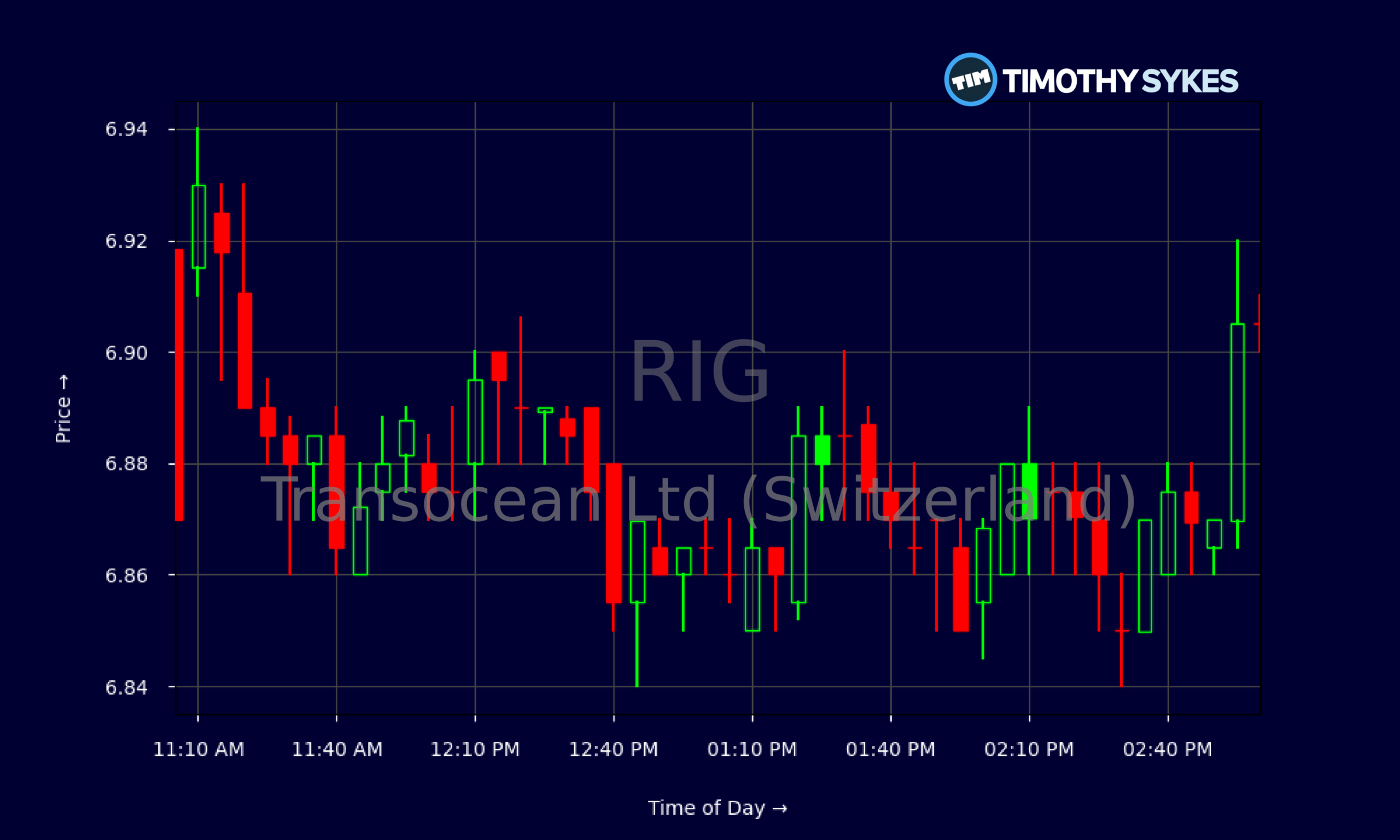
Live Update At 15:03:07 EDT: On Friday, October 30, 2026 Transocean Ltd (Switzerland) stock [NYSE: RIG] is trending up by 3.29%! Discover the key drivers behind this movement as well as our expert analysis in the detailed breakdown below.
Quick Financial Overview
Transocean Ltd (Switzerland), ticker RIG, has quietly pushed its chart from the mid‑$5s to just under $7 over the past few weeks. The daily data show RIG rising from about $5.27 on 2026/10/05 to a recent close near $6.91 on 2026/10/30. That is a strong percentage move for a heavily traded offshore driller, and it is happening with higher lows stacked almost every few sessions.
Intraday, RIG traded in a tight band around $6.85–$6.95 for most of the day, which tells traders this is a controlled uptrend, not a wild squeeze. The tape shows shallow dips getting bought and very little panic selling. That is classic accumulation behavior.
More Breaking News
Fundamentally, RIG is still a turnaround story. The company generated $3.97B in revenue over the trailing period but has negative net profit margins, meaning accounting earnings are still under pressure. Yet cash flow looks healthier: price‑to‑sales sits near 1.5 and price‑to‑cash‑flow near 6.5, suggesting the market is paying a moderate multiple for improving fundamentals. With debt‑to‑equity around 0.61 and a current ratio of 1.6, RIG has leverage but also enough liquidity to work through the cycle, especially as new contracts and backlog stack up.
Why Traders Are Watching RIG Now
RIG is back on many traders’ screens because the news finally lines up with the chart. On the operations side, Transocean just added about $1.1B in firm backlog. That includes a new ~$62M, 120‑day, two‑well contract for the Transocean Norge with A/S Norske Shell in Norway, plus Equinor’s final sign‑off that turns roughly $1.0B of previously announced harsh‑environment semisubmersible work into locked‑in backlog. For RIG, firm backlog is future revenue visibility; it helps support day‑rates, cash flow, and, over time, deleveraging.
RIG also secured about $550M in new backlog for its Deepwater Proteus and Deepwater Conqueror drillships in the U.S. Gulf of Mexico. Those multi‑year campaigns start in early and mid‑2027 and continue existing work, which cuts idle time risk on two high‑spec rigs. For traders, that continuity matters. When expensive offshore units stay working, margins have a better shot at trending higher instead of getting crushed by downtime.
On the balance‑sheet side, Transocean amended and extended its main revolver, lifting commitments to $750M and pushing maturity out to 2031, tied to closing the Valaris deal. At the same time, RIG redeemed $165M of 8% Aquila Notes, saving around $22M in future interest. That is meaningful for a company that has carried heavy debt for years. Meanwhile, regulators in both Brazil and the U.S. have cleared the all‑stock Valaris acquisition, removing big antitrust overhangs. The only wrinkle is a shareholder‑rights firm probing whether Valaris is undervalued, a headline traders should monitor but not overreact to unless it escalates.
Conclusion
RIG is trying to transition from survival mode to controlled growth, and the latest news flow supports that narrative. Multi‑hundred‑million‑dollar contracts in Norway and the U.S. Gulf push Transocean’s firm backlog sharply higher, giving traders more confidence that future quarters will be backed by real work, not just hope. The Valaris acquisition, priced at 15.235 RIG shares per VAL share, is set to create a much larger offshore driller once it closes in Q4, with all major regulatory approvals already in the bag.
At the same time, RIG’s balance sheet is slowly getting lighter. Extending the revolver to 2031 and calling high‑coupon debt signal that management is serious about managing risk. The stock’s recent climb from the low‑$5s to the high‑$6s lines up with this improving story, but traders still need to respect the volatility that comes with a leveraged, cyclical name.
For active traders, the key is to track how price reacts around each new contract win, merger milestone, or balance‑sheet move. As Tim Sykes likes to remind his students, “The news is just the spark — the real edge comes from how you trade the reaction, not your opinion of the headline.” That’s why it’s crucial for short‑term and swing traders to avoid chasing every headline and instead wait for clean, high‑probability patterns to form. As millionaire penny stock trader and teacher Tim Sykes, says, “Be patient, don’t force trades, and let the perfect setups come to you.”. This article is for educational and research purposes only and is not investment advice.
This is stock news, not investment advice. Timothy Sykes News delivers real-time stock market news focused on key catalysts driving short-term price movements. Our content is tailored for active traders and investors seeking to capitalize on rapid price fluctuations, particularly in volatile sectors like penny stocks. Readers come to us for detailed coverage on earnings reports, mergers, FDA approvals, new contracts, and unusual trading volumes that can trigger significant short-term price action. Some users utilize our news to explain sudden stock movements, while others rely on it for diligent research into potential investment opportunities.
Dive deeper into the world of trading with Timothy Sykes, renowned for his expertise in penny stocks. Explore his top picks and discover the strategies that have propelled him to success with these articles:
- Penny Stocks Trading Guide
- Best Penny Stocks Under $1 to Buy Today
- Top 8 Penny Stocks to Watch on Robinhood
Once you’ve got some stocks on watch, elevate your trading game with StocksToTrade the ultimate platform for traders. With specialized tools for swing and day trading, StocksToTrade will guide you through the market’s twists and turns.
Dig into StocksToTrade’s watchlists here:





Leave a reply