
NVIDIA Corporation stocks have been trading down by -3.28 percent amid mounting concerns over AI chip demand sustainability and valuation.
Key Takeaways
- Donald Trump sold between $500,001 and $1M of Nvidia shares on 2026/08/21, a headline-grabbing trim that many traders view as a profit-taking signal.
- Wallstreetbets-favored names, including NVDA, are bouncing 1%–4% in premarket trading after a sharp Friday selloff, underscoring heavy volatility.
- The rebound in names like AMD, Micron, Western Digital, CoreWeave, and Nvidia highlights persistent speculative interest in high-beta tech.
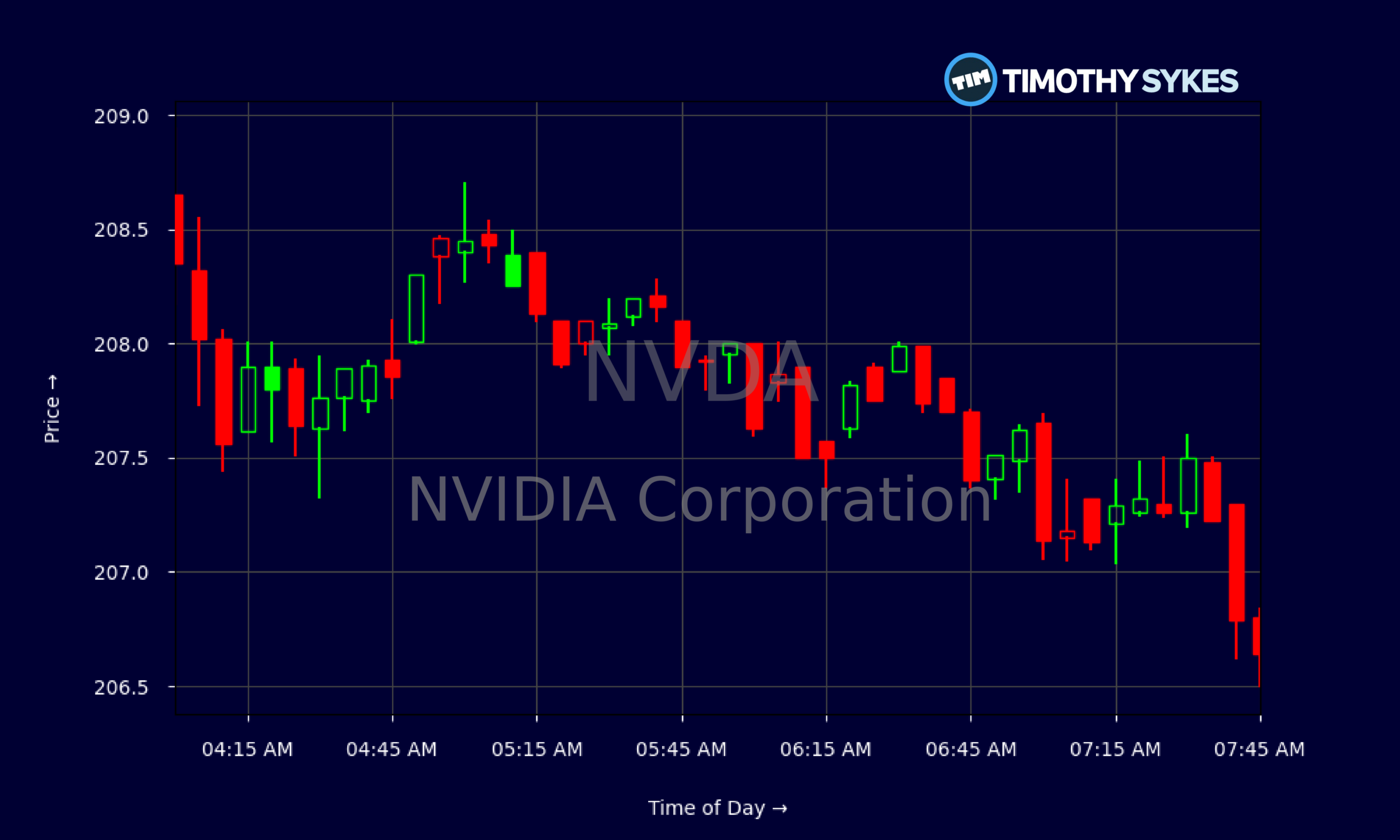
Live Update At 07:47:40 EDT: On Friday, October 30, 2026 NVIDIA Corporation stock [NASDAQ: NVDA] is trending down by -3.28%! Discover the key drivers behind this movement as well as our expert analysis in the detailed breakdown below.
Quick Financial Overview
Nvidia Corporation, trading under ticker NVDA, remains a profit machine even as headlines swing day to day. The latest quarterly numbers show revenue of about $96.2B, with gross margin around 74.7%. That tells traders NVDA is not just selling a lot of chips; it is doing so with huge pricing power.
Operating income sits near $63.7B, and net income is roughly $59.7B. Those are monster figures. Return on equity above 100% and return on assets north of 50% signal that NVDA squeezes a lot of profit out of every dollar of capital.
On the valuation side, NVDA trades at a price-to-earnings ratio near 29 and price-to-sales around 18. That is not cheap, but it is well below its own five-year P/E peak above 140. Financial strength looks solid, with a current ratio around 4.6 and low debt relative to equity, giving the company plenty of cushion if the AI cycle cools.
More Breaking News
Recent daily closes in the low-$200s, drifting down from the $230s earlier in the month, show NVDA in a consolidation phase. The tight intraday action around $207 in premarket trading backs up the idea of a stock catching its breath after a big run.
Why Traders Are Watching NVDA Price Swings
NVDA is back in the spotlight for two very different reasons: a modest rebound with other Wallstreetbets favorites and a high-profile sale by Donald Trump. Together, they frame the tug-of-war every NVDA trader is dealing with right now.
On 2026/10/19, Nvidia joined Nebius Group, Sandisk, AMD, Micron, Western Digital, AST SpaceMobile, and CoreWeave in a 1%–4% premarket bounce after a rough Friday drop. For short-term traders, that is the classic oversold snapback. NVDA selling off hard, then pushing higher before the open, screams opportunity for those who know how to trade volatility instead of fearing it. You get a crowded name, emotional selling, then a relief bid.
But the Trump headline from 2026/10/08 pulls sentiment the other way. He sold between $500,001 and $1M of Nvidia shares on 2026/08/21. That is not a fundamental report, yet traders hate ignoring a big political figure cutting exposure. Many will read it as simple profit-taking in a name that has run for years. Some will treat it as a warning to tighten risk.
Put that against NVDA’s financial backdrop. The company throws off about $24.1B in operating cash flow and $21.4B in free cash flow, while still returning billions through buybacks and dividends. Balance sheet liquidity sits near $62.5B in cash and short-term investments. Those numbers give NVDA room to ride out sentiment storms stirred by headlines, Reddit chatter, or even a Trump sale. For active trading, that combination—wild crowd psychology on top of strong fundamentals—is exactly what keeps NVDA on every momentum watchlist.
Conclusion
For traders, NVDA is a classic battleground stock: huge real business, huge emotions. The premarket rebound alongside other Wallstreetbets names shows that dip-buying appetite is still alive. Sharp down days are being met with quick bounces, and the recent slide from the $230s into the low-$200s now looks more like a shakeout than a collapse when you line it up with Nvidia’s margins and cash flow.
At the same time, Trump offloading between $500,001 and $1M of Nvidia shares on 2026/08/21 is a reminder not to treat any ticker as invincible. NVDA’s valuation still bakes in a long AI runway. That leaves room for more violent pullbacks anytime sentiment flips or a big holder decides to ring the register.
The lesson for traders is the same one Tim Sykes pounds into students: “The market doesn’t care about your opinions, only your preparation and your risk management.” As millionaire penny stock trader and teacher Tim Sykes says, “Embrace the journey, the ups and downs; each mistake is a lesson to improve your strategy.”. NVDA’s story, backed by massive profits and intense speculation, will remain a prime trading arena. Your edge will not come from guessing what Trump does next. It will come from reading NVDA’s price action, respecting the volatility, and cutting losses fast when the trade proves you wrong.
This analysis is for educational and research purposes only and is not investment advice.
This is stock news, not investment advice. Timothy Sykes News delivers real-time stock market news focused on key catalysts driving short-term price movements. Our content is tailored for active traders and investors seeking to capitalize on rapid price fluctuations, particularly in volatile sectors like penny stocks. Readers come to us for detailed coverage on earnings reports, mergers, FDA approvals, new contracts, and unusual trading volumes that can trigger significant short-term price action. Some users utilize our news to explain sudden stock movements, while others rely on it for diligent research into potential investment opportunities.
Dive deeper into the world of trading with Timothy Sykes, renowned for his expertise in penny stocks. Explore his top picks and discover the strategies that have propelled him to success with these articles:
- Penny Stocks Trading Guide
- Best Penny Stocks Under $1 to Buy Today
- Top 8 Penny Stocks to Watch on Robinhood
Once you’ve got some stocks on watch, elevate your trading game with StocksToTrade the ultimate platform for traders. With specialized tools for swing and day trading, StocksToTrade will guide you through the market’s twists and turns.
Dig into StocksToTrade’s watchlists here:





Leave a reply