

Biohaven Ltd. stocks have been trading up by 50.3 percent after breakthrough migraine drug data ignited strong investor optimism.
Key Takeaways
- Regional licensing deal with Ono Pharmaceutical hands Biohaven up to $100M in near-term non-dilutive cash, including $80M upfront and ~20% royalties on Asian sales of its MoDE IgG degrader portfolio.
- Exclusive rights to BHV-1300, BHV-1310, and BHV-1320 across Japan, South Korea, Taiwan, and Southeast Asia go to Ono, while BHVN keeps the US, Europe, and China.
- Shares of BHVN climbed more than 2% after traders reacted to the Ono agreement, viewing the structure as balance-sheet friendly and strategically focused.
- Early-stage oncology asset BHV-1530 landed a plenary talk slot at the 2026 EORTC-NCI-AACR Symposium, with a combo trial now enrolling alongside Regeneron’s Libtayo.
- BHVN also filed a Form 8-K with the SEC, underscoring ongoing reportable corporate activity, though specific contents were not detailed.
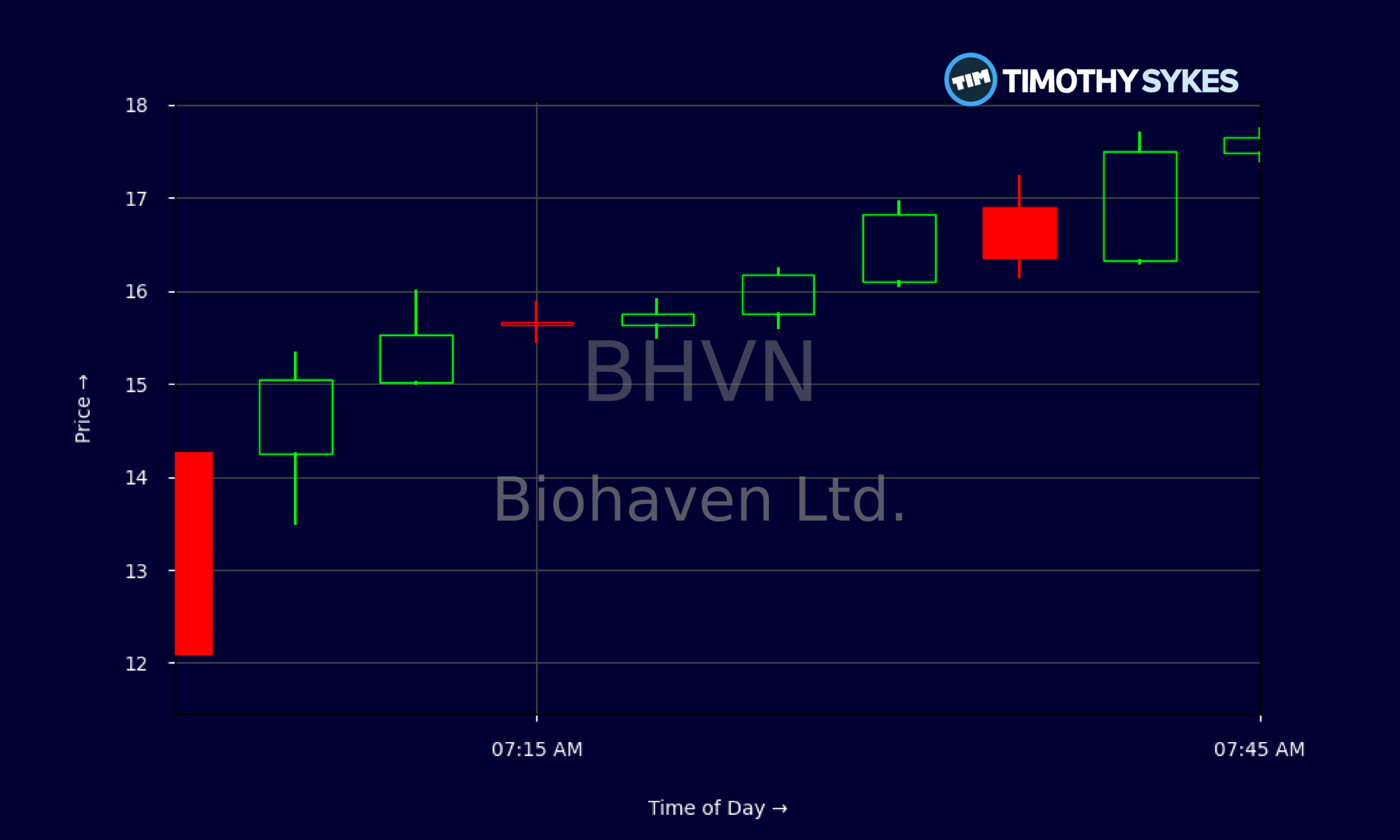
Live Update At 07:47:46 EDT: On Thursday, October 22, 2026 Biohaven Ltd. stock [NYSE: BHVN] is trending up by 50.3%! Discover the key drivers behind this movement as well as our expert analysis in the detailed breakdown below.
Quick Financial Overview
For active traders, BHVN is a classic biotech story: heavy spending, no profits yet, but big optionality. The latest quarter shows a net loss of about $137.3M and EBITDA of roughly -$134.7M. Biohaven Ltd. is clearly pouring cash into R&D, with research expense around $100.8M and operating cash flow at about -$85.1M.
At the same time, BHVN is not running on fumes. The balance sheet lists roughly $238.0M in cash and $267.9M in cash plus short-term investments, with working capital of about $233.9M and a strong current ratio of 4.7. That gives Biohaven Ltd. room to keep pushing its pipeline.
The valuation picture is aggressive. A price-to-book ratio near 149 and deeply negative returns on equity and assets tell traders this is all about future drugs, not current earnings. BHVN carries long-term debt of about $259.5M, but leverage is cushioned by that cash stack and the new non-dilutive funding.
More Breaking News
On the chart, BHVN has pulled back from the mid-$13s to the high $11s over recent days, then caught a sharp intraday spike from roughly $12.1 to above $17 on heavy early trading — a classic momentum surge that short-term traders watch closely.
Why Traders Are Watching BHVN After The Ono Deal
BHVN just gave traders a textbook catalyst: real cash, real partner, clear geography split. Biohaven Ltd. licensed its MoDE extracellular IgG degrader portfolio — led by Phase 3 asset BHV-1300 for Graves’ disease — to Ono Pharmaceutical across Japan, South Korea, Taiwan, and ASEAN. The terms are chunky: $80M upfront, up to another $20M in near-term milestones, and ~20% royalties if sales materialize.
The key detail for traders is what BHVN did not give away. Biohaven Ltd. kept rights in the US, Europe, and China — the biggest markets. That means Ono helps de-risk development costs in Asia while BHVN still controls the main revenue engines if BHV-1300 and its follow-ons work.
This is why the market’s first move was higher. BHVN shares jumped more than 2% after the deal hit the tape, signaling that traders liked the non-dilutive structure. No new shares, but more cash and potential royalties. For a company burning over $80M in operating cash per quarter, that matters.
The breadth of the deal also stands out. Ono gets BHV-1300, BHV-1310, and BHV-1320 — a full antibody degrader suite. That gives BHVN multiple shots on goal and multiple catalyst points tied to Ono’s progress in Asia. Each new trial start, early data readout, or regional approval can become a headline, and BHVN traders live on headlines.
Beyond immunology, the oncology story is picking up. BHVN’s FGFR3-directed ADC, BHV-1530, powered by its TopoIx payload, was selected for a plenary oral presentation at the 2026 EORTC-NCI-AACR Symposium. That is prime conference real estate, not a sideshow poster. At the same time, combo cohorts with Regeneron’s Libtayo are now enrolling under a supply deal, giving BHVN another pathway for meaningful data.
Add in the recent Form 8-K filing — proof BHVN is cycling material items through the SEC pipeline — and traders have a steady drumbeat of corporate signals, not a quiet, dead-ticker story.
Conclusion
For active traders, BHVN now sits in a very different spot on the risk-reward spectrum than it did before the Ono partnership. Biohaven Ltd. just secured up to $100M in non-dilutive funding and future ~20% royalties tied to its MoDE IgG degrader portfolio, while holding onto rights in the US, Europe, and China. That combination of fresh cash and preserved upside is why BHVN’s chart lit up and why premarket action ripped from around $12 into the high teens.
At the same time, BHVN remains a high-risk biotech name. The income statement is a sea of red, with steep R&D and negative cash flow. Those brutal return ratios remind traders that there is zero guarantee BHV-1300, BHV-1310, BHV-1320, or BHV-1530 ever become commercial blockbusters. Every catalyst is a binary-style event.
But the tape is speaking. BHVN’s recent multi-day slide from the mid-$13s into the high $11s set up a coiled spring. The Ono news provided the trigger. Momentum traders who track BHVN now have a clear story to frame their charts: partnership cash, a validated platform, and a high-profile oncology presentation on the horizon.
The education lesson for any trader watching BHVN is simple. As Tim Sykes likes to say, “Patterns repeat, but you have to be prepared to act when the news hits and the chart confirms.” That pattern-based approach goes hand in hand with disciplined rules on trade execution and risk control; as millionaire penny stock trader and teacher Tim Sykes, says, “Cut losses quickly, let profits ride, and don’t overtrade.”. Biohaven Ltd. just delivered the news; the rest is about how you manage your trading plan and risk, strictly for educational and research purposes, not as any form of investment advice.
This is stock news, not investment advice. Timothy Sykes News delivers real-time stock market news focused on key catalysts driving short-term price movements. Our content is tailored for active traders and investors seeking to capitalize on rapid price fluctuations, particularly in volatile sectors like penny stocks. Readers come to us for detailed coverage on earnings reports, mergers, FDA approvals, new contracts, and unusual trading volumes that can trigger significant short-term price action. Some users utilize our news to explain sudden stock movements, while others rely on it for diligent research into potential investment opportunities.
Dive deeper into the world of trading with Timothy Sykes, renowned for his expertise in penny stocks. Explore his top picks and discover the strategies that have propelled him to success with these articles:
- Penny Stocks Trading Guide
- Best Penny Stocks Under $1 to Buy Today
- Top 8 Penny Stocks to Watch on Robinhood
Once you’ve got some stocks on watch, elevate your trading game with StocksToTrade the ultimate platform for traders. With specialized tools for swing and day trading, StocksToTrade will guide you through the market’s twists and turns.
Dig into StocksToTrade’s watchlists here:





Leave a reply