

American Airlines Group Inc. stocks have been trading down by -4.05 percent amid reports of softer travel demand pressuring future revenues.
Key Takeaways Traders Need To Know
- Q4 2026 adjusted EPS is guided to a loss of $1.10 to $0.50, far worse than the expected $0.41 loss despite forecast revenue growth near 20%-22%.
- Full‑year 2026 adjusted EPS has been cut to a loss of ($1.60)-($1.00), a major reset from prior breakeven‑to‑profit guidance and below the $0.98 Street view.
- Management now expects 2026 fuel expense to run more than $7B above 2025, putting severe pressure on American Airlines Group Inc. margins.
- The company sees 2027 growth “decelerating considerably,” hinting at slower capacity and revenue expansion ahead.
- UBS widened its projected Q4 loss for AAL and lowered its price target, though it kept a Buy rating while flagging a more vulnerable earnings profile.
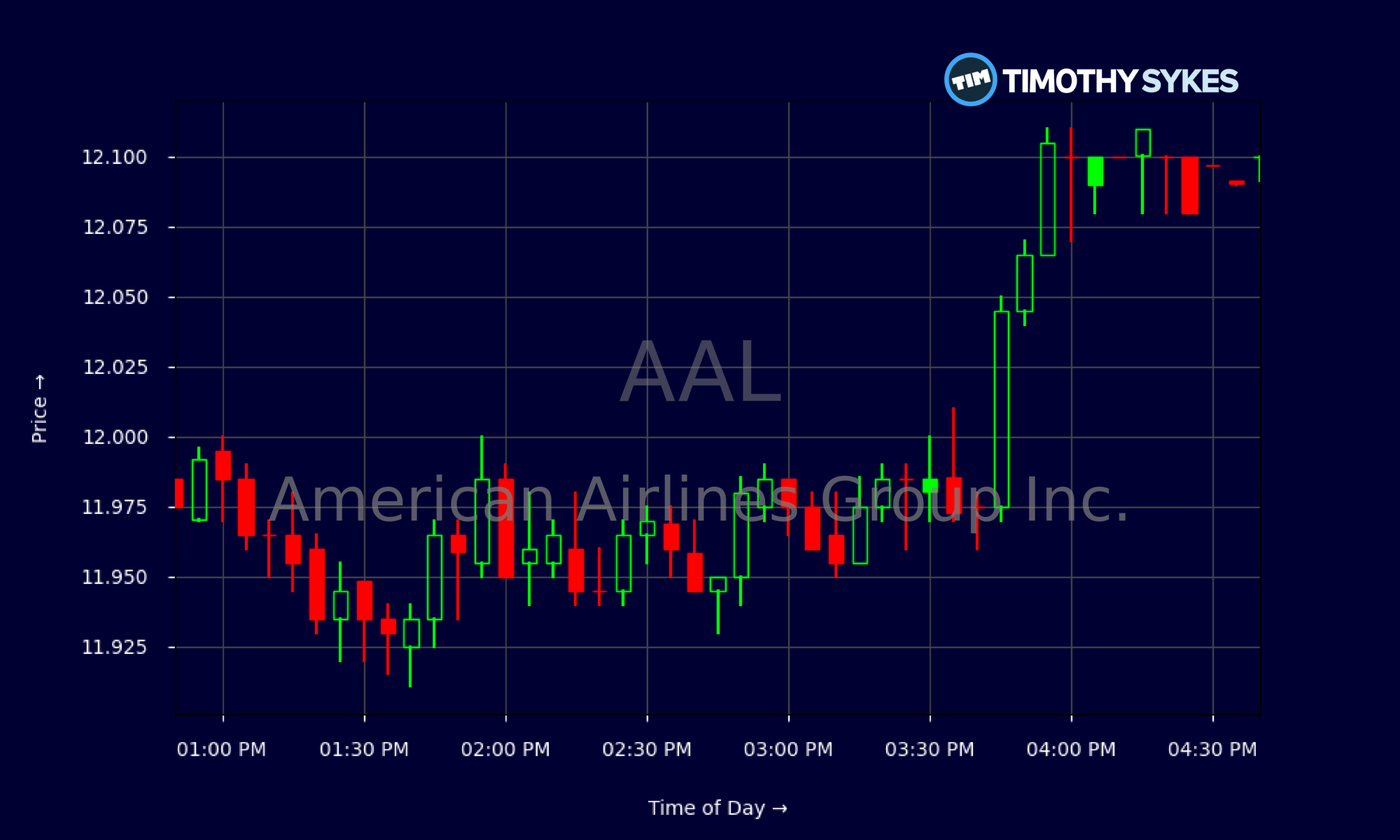
Live Update At 16:47:17 EDT: On Friday, October 23, 2026 American Airlines Group Inc. stock [NASDAQ: AAL] is trending down by -4.05%! Discover the key drivers behind this movement as well as our expert analysis in the detailed breakdown below.
Quick Financial Overview
AAL has turned into a classic “strong revenue, weak earnings” story. The latest quarter shows American Airlines Group Inc. bringing in about $16.3B in revenue, with gross profit of roughly $4.6B, but only $115M in operating income and a net loss of $269M, or about $0.41 per share. That thin 2.2% EBIT margin tells traders the core business is basically skating on ice.
Cash flow is not bailing AAL out either. Operating cash flow was negative $153M, while free cash flow was about -$1.25B after heavy capital spending. To plug the gap, American Airlines Group Inc. leaned on debt markets, issuing roughly $1.4B in long‑term debt during the quarter.
More Breaking News
On the chart, AAL has quietly bled lower from the mid‑$13s to near $12 over the last few weeks. Daily candles show repeated fades on pops above $13 and support trying to form around $11.80-$12.00. Intraday, the 5‑minute data from the most recent session shows tight, choppy action between roughly $11.90 and $12.10, with a late‑day grind higher. That’s the look of a stock in consolidation after bad news — range‑bound, with traders scalping small moves while waiting for the next catalyst.
Why Traders Are Locked In On AAL
The real story for AAL is not yesterday’s loss. It is tomorrow’s guidance. American Airlines Group Inc. posted a wider adjusted loss year over year but still beat expectations on both revenue and loss per share. Yet the stock traded down about 4% premarket on 2026 commentary. That tells traders exactly where the focus is: the forward curve, not the rear‑view mirror.
For Q4 2026, AAL is guiding to an adjusted EPS loss between $1.10 and $0.50. The Street was braced for only a $0.41 loss. At the same time, American Airlines Group Inc. expects revenue to jump 19.5%-22.5%, with only modest capacity and cost increases. In simple terms, planes are full, demand is strong, but the money is not sticking.
The main villain is fuel. AAL now expects 2026 fuel expense to be more than $7B higher than in 2025. That is a brutal step‑up for any airline, let alone one already running razor‑thin margins. Management has also warned that profitability is under pressure across the industry, not just at American Airlines Group Inc., which lines up with earlier trading pressure across the majors when Delta missed and cut guidance.
Medium‑term, AAL slashed its 2026 adjusted EPS outlook from a prior range of roughly (0.65)-$0.65 to a much deeper loss of ($1.60)-($1.00), worse than Wall Street’s expected $1.03 loss. That is a big reset, and whenever guidance swings from possible profit to baked‑in loss, models have to be rewritten. UBS responded by widening its projected Q4 loss for AAL and trimming its price target, even while keeping a Buy rating and calling the airline’s earnings profile more vulnerable, especially with Delta’s guidance “raising the bar.”
Add in management’s warning that 2027 growth will “decelerate considerably,” and you have a story where AAL must deal with higher fuel, slower growth, and a skeptical market — even as travel demand remains solid.
Conclusion
For traders, AAL is now a pure expectations and sentiment trade. American Airlines Group Inc. still moves big volumes of passengers and generates over $54B in annual revenue, but the guidance reset around 2026 and 2027 makes the stock trade more like a turnaround than a growth name. The market is saying, “Show me the path back to real profits,” and until that path is clear, every bounce in AAL will be questioned.
That does not mean there are no trading setups. It means you have to respect the risk. Elevated jet fuel costs, a projected 2026 loss of $1.60 to $1.00 per share, and talk of slower 2027 growth all create a ceiling on expectations. At the same time, sector‑wide pressure can spark sharp sympathy moves whenever oil or peer earnings headlines hit. Short‑term traders in AAL can lean into that volatility, but only with a plan.
As Tim Sykes likes to remind his students, “Discipline and risk management are what keep you in the game long enough to see those great opportunities.” As millionaire penny stock trader and teacher Tim Sykes, says, “It’s better to go home at zero than to go home in the red.”. For anyone trading American Airlines Group Inc., that means cutting losses quickly, sizing carefully, and letting the chart — not hope — tell you when AAL is actually turning the corner. This analysis is for educational and research purposes only, and every trader must make their own decisions.
This is stock news, not investment advice. Timothy Sykes News delivers real-time stock market news focused on key catalysts driving short-term price movements. Our content is tailored for active traders and investors seeking to capitalize on rapid price fluctuations, particularly in volatile sectors like penny stocks. Readers come to us for detailed coverage on earnings reports, mergers, FDA approvals, new contracts, and unusual trading volumes that can trigger significant short-term price action. Some users utilize our news to explain sudden stock movements, while others rely on it for diligent research into potential investment opportunities.
Dive deeper into the world of trading with Timothy Sykes, renowned for his expertise in penny stocks. Explore his top picks and discover the strategies that have propelled him to success with these articles:
- Penny Stocks Trading Guide
- Best Penny Stocks Under $1 to Buy Today
- Top 8 Penny Stocks to Watch on Robinhood
Once you’ve got some stocks on watch, elevate your trading game with StocksToTrade the ultimate platform for traders. With specialized tools for swing and day trading, StocksToTrade will guide you through the market’s twists and turns.
Dig into StocksToTrade’s watchlists here:





Leave a reply