

Targa Resources Inc. stocks have been trading up by 4.41 percent after upbeat midstream outlook and expansion-driven earnings optimism.
Key Takeaways
- Citi boosted its price target on Targa Resources to $325 and stuck with a Buy rating, flagging a strong back half of 2026 ahead of Q3 earnings.
- Goldman Sachs raised its TRGP target to $322, leaning on strong Permian inlet volume growth to offset weaker marketing tied to softer Waha spreads.
- Bank of America pushed its Targa Resources target to $330 and kept a Buy rating in its midstream earnings preview.
- RBC Capital Markets reaffirmed an Outperform on TRGP with a $338 target, looking for solid H2 results backed by strong volumes and new takeaway capacity.
- The company declared a Q3 2026 cash dividend of $1.25 per share, or $5.00 annualized, and set the timetable for its Q3 2026 earnings release and webcast.
Live Update At 16:46:54 EDT: On Friday, October 16, 2026 Targa Resources Inc. stock [NYSE: TRGP] is trending up by 4.41%! Discover the key drivers behind this movement as well as our expert analysis in the detailed breakdown below.
Quick Financial Overview
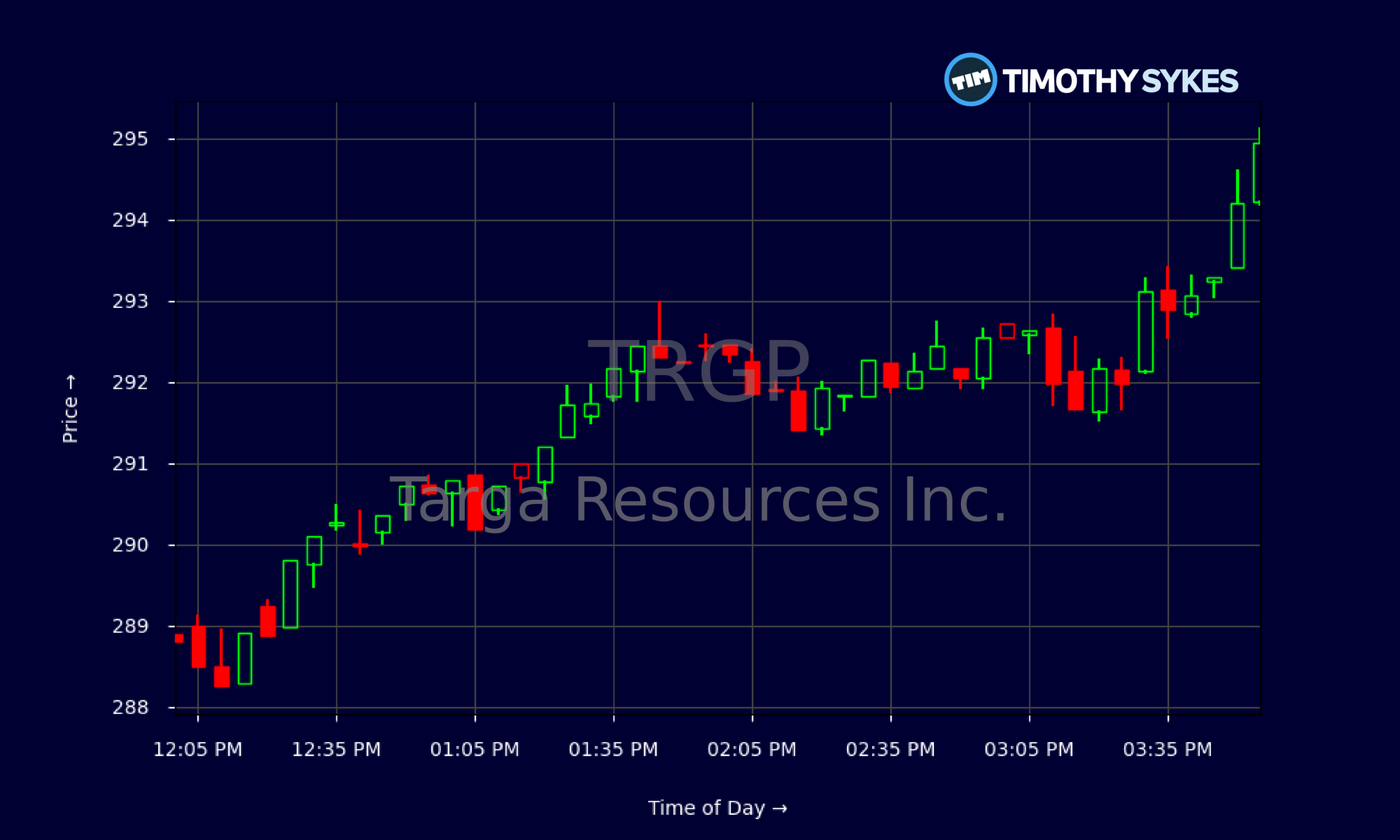
TRGP has been grinding higher on the daily chart. Over the past few weeks, Targa Resources has climbed from the high-$260s to close near $294.90, with multiple tight consolidations along the way. That tells traders this trend is being bought on dips, not dumped on strength.
Intraday, TRGP’s 5‑minute chart shows a steady stair‑step move from around $286 at the open to just under $295 into the close. Volume-based price action like that usually reflects real support, not just a random spike.
Fundamentally, Targa Resources is throwing off serious cash. Quarterly revenue sits around $4.44B with an EBITDA margin north of 40%, and EBIT margin above 30%. Those are strong numbers for a midstream name. Net income from continuing operations was about $778M for the quarter, and free cash flow was roughly $431M.
More Breaking News
The flip side: TRGP is leveraged. Debt-to-equity is high and interest coverage is only about 2.8x, so traders must watch credit conditions. Still, returns on equity are huge, above 40%, showing that Targa Resources is using its capital aggressively. At roughly 27x earnings and about 3.7x sales, TRGP trades at a premium, but the Street clearly thinks the growth and cash flow justify it.
Why Traders Are Watching TRGP Now
The real story around TRGP right now is the wall of bullish analyst calls landing just ahead of Q3 earnings. Citi kicked things off by raising its Targa Resources target to $325 from $303 on 2026/10/13 and reaffirming a Buy rating. That call framed TRGP as a strong second‑half story, not just a one‑quarter wonder.
Goldman Sachs quickly followed, lifting its Targa Resources price target to $322. The key driver Goldman points to is Permian inlet volume growth. In plain English, more barrels and molecules flowing through TRGP’s pipes and plants. That volume strength is expected to outweigh weaker marketing results tied to softer Waha spreads and some pricing pressure.
Bank of America joined in on 2026/10/15, bumping its Targa Resources target to $330 while keeping a Buy in its broader midstream preview. BofA is effectively telling traders that among midstream names, TRGP is one of the go‑to plays heading into this earnings stretch.
RBC Capital Markets is even more aggressive, sticking with an Outperform and a $338 target. RBC is focused on the same themes: strong Permian volumes, Waha‑related volumes returning as new takeaway capacity comes online, and long‑term volume agreements that lock in visibility. That combination gives TRGP a solid runway even if commodity prices chop around.
There is some nuance. Stifel trimmed its target on Targa Resources slightly, to $335 from $340, and Jefferies cut its target to $326 from $345 after a sharp quarter‑over‑quarter marketing loss tied to compressed Waha differentials and higher LPG freight costs. But here’s the key for traders: both firms kept Buy ratings. Jefferies still expects outsized growth thanks in part to Targa Resources’ deal with Exxon, underscoring that the long‑term growth engine is intact despite near‑term noise.
Conclusion
Put it all together and TRGP sits near $295 while the mean Wall Street target clusters in the low‑$320s to around $330, with some calls stretching to $338. Citi cites a mean target near $325.71 versus a price around $289 at the time of its note. Scotiabank points to a consensus near $329.05. Jefferies references roughly $329 as well. That’s a sizable gap between where Targa Resources trades and where the Street thinks it belongs.
On top of that, Targa Resources just declared a Q3 2026 dividend of $1.25 per share, or $5.00 annualized. At current prices, that’s roughly a 1.8% yield layered on top of the growth story. For many institutional funds rotating into midstream and infrastructure, that blend of cash flow plus upside is exactly what they hunt.
For traders, the message around TRGP is clear: the trend is up, the Street is leaning bullish, but expectations are now high. Earnings and guidance around volumes, Waha exposure, and marketing margins will matter. Any surprise — good or bad — can trigger a fast move.
This is where process takes over. Study the Targa Resources chart, map key levels, watch how price reacts into and after the Q3 print, and be ready to act, not hope. As Tim Sykes likes to remind his trading community, “The market rewards preparation, not predictions.” As millionaire penny stock trader and teacher Tim Sykes, says, “Preparation plus patience leads to big profits.”. This Targa Resources setup is a textbook case where that mindset matters.
This is stock news, not investment advice. Timothy Sykes News delivers real-time stock market news focused on key catalysts driving short-term price movements. Our content is tailored for active traders and investors seeking to capitalize on rapid price fluctuations, particularly in volatile sectors like penny stocks. Readers come to us for detailed coverage on earnings reports, mergers, FDA approvals, new contracts, and unusual trading volumes that can trigger significant short-term price action. Some users utilize our news to explain sudden stock movements, while others rely on it for diligent research into potential investment opportunities.
Dive deeper into the world of trading with Timothy Sykes, renowned for his expertise in penny stocks. Explore his top picks and discover the strategies that have propelled him to success with these articles:
- Penny Stocks Trading Guide
- Best Penny Stocks Under $1 to Buy Today
- Top 8 Penny Stocks to Watch on Robinhood
Once you’ve got some stocks on watch, elevate your trading game with StocksToTrade the ultimate platform for traders. With specialized tools for swing and day trading, StocksToTrade will guide you through the market’s twists and turns.
Dig into StocksToTrade’s watchlists here:





Leave a reply