

Fomento Economico Mexicano S.A.B. de C.V. stocks have been trading up by 5.28 percent after strong earnings beat expectations.
Key Takeaways
- UBS cut its price target on Fomento Economico Mexicano to $130 from $139 while maintaining a Neutral rating.
- Despite UBS’s move, the broader analyst consensus on FEMSA remains overweight with a mean target price of $132.75.
- The company issued CHF 300M of 5‑year senior unsecured bonds in the Swiss market at a 1.73% yield, rated BBB+ by S&P and A by Fitch.
- The new Swiss franc bond issue is expected to lower FEMSA’s cost of debt and boost financial flexibility under favorable market conditions.
- FEMSA scheduled its Q3 2026 earnings release for 2026/10/28, before the market open, with a live Zoom call and replay.
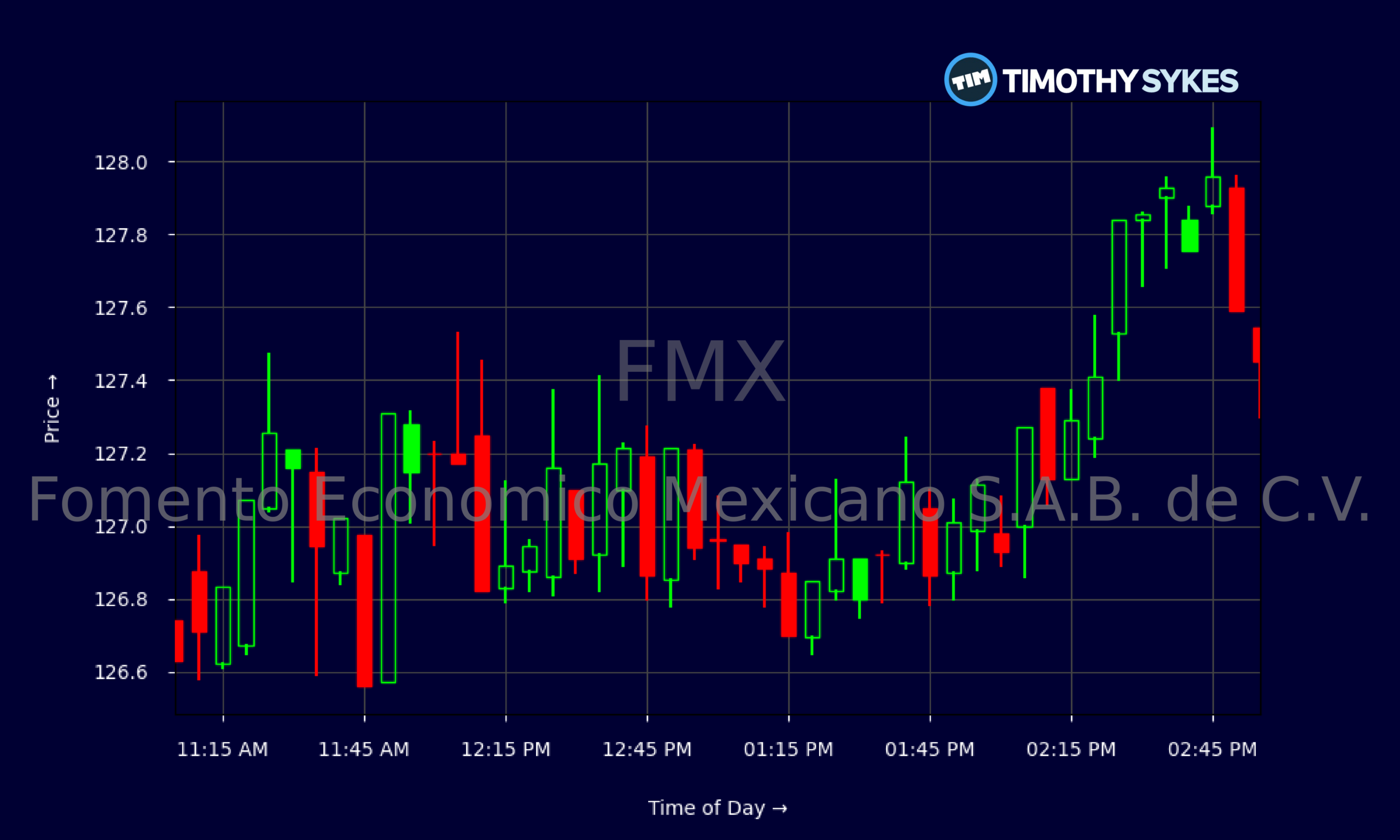
Live Update At 15:02:20 EDT: On Friday, October 16, 2026 Fomento Economico Mexicano S.A.B. de C.V. stock [NYSE: FMX] is trending up by 5.28%! Discover the key drivers behind this movement as well as our expert analysis in the detailed breakdown below.
Quick Financial Overview
FMX, the U.S.-listed shares of Fomento Economico Mexicano, keeps grinding higher on the chart. Over the past few weeks, FMX has climbed from the $115 area to close near $127.38, putting in a steady uptrend with higher lows and controlled pullbacks. For active traders, that’s the kind of staircase pattern that often signals quiet accumulation rather than wild speculation.
Intraday, FMX has traded in a tight range between roughly $124 and $128, with five‑minute candles showing orderly bids stepping in on every dip. There’s no blow‑off spike here; it’s more like a slow, methodical walk up the hill.
More Breaking News
On the fundamentals, FEMSA is a revenue monster, posting about $781.6B in annual sales, yet FMX trades at a price‑to‑sales ratio of only 0.81. The catch is the sky‑high P/E around 86, plus modest returns on equity near 1.11%. That combo tells traders the market is paying up for stability and future optionality, not current earnings power. A dividend yield just above 2% adds a steady income layer while the stock consolidates ahead of the next catalyst.
Why Traders Are Watching FMX Into Earnings
Traders have several cross‑currents to parse in FMX right now. On one side, UBS just trimmed its FMX price target to $130 from $139 while sticking with a Neutral rating. That’s not a slam; it’s a reset of expectations. UBS is basically saying FMX has already done a good chunk of the work on the upside in the near term.
But zoom out and the picture shifts. The broader analyst group remains overweight on Fomento Economico Mexicano, with an average target around $132.75. That’s still a premium to where FMX is trading. For short‑term traders, that spread often acts like a soft ceiling: enough room for continuation, but also a zone to watch for profit‑taking if price runs hot into the low‑130s.
The more interesting piece for many FMX watchers is the balance sheet move. FEMSA just tapped the Swiss bond market, issuing CHF 300M of 5‑year senior unsecured notes at a lean 1.73% yield. With ratings of BBB+ from S&P and A from Fitch, credit markets are effectively giving FEMSA a thumbs‑up. Cheap money plus solid ratings equals more flexibility.
That lower cost of debt can help FMX in several ways over time: refinancing pricier liabilities, funding selective growth, or simply keeping a thicker cash buffer. None of that shows up instantly in the daily candles, but it creates a tailwind that supports dips getting bought, especially if broader markets stay choppy into the Q3 2026 earnings release on 2026/10/28.
Conclusion
FMX is walking into that Q3 2026 earnings date with a technically strong tape and a mixed, but constructive, news backdrop. You have UBS dialing down enthusiasm a notch, the consensus still leaning overweight, and FEMSA quietly locking in cheap funding with Swiss franc bonds. That’s not the setup for a wild meme‑style squeeze; it’s the setup for a grown‑up trading plan.
For day and swing traders, the recent $120–$128 range on FMX offers clear levels to frame risk. Support has been building around the mid‑120s, with resistance creeping closer to the low‑130s where those analyst targets cluster. The Zoom call on 2026/10/28 is the obvious catalyst where management can connect the dots between the new debt, capital allocation, and operating trends.
The key is to stay process‑driven. FMX might reward patience, but it will still punish sloppy entries. As millionaire penny stock trader and teacher Tim Sykes, says, “The goal is not to win every trade but to protect your capital and keep moving forward.” As Tim Sykes likes to remind traders, “The market doesn’t care about your opinions, only your discipline and your risk management.” Use the FMX chart, the earnings date, and the bond deal as data points, not predictions — and trade the price action, not the hype. This article is for educational and research purposes only and is not investment advice.
This is stock news, not investment advice. Timothy Sykes News delivers real-time stock market news focused on key catalysts driving short-term price movements. Our content is tailored for active traders and investors seeking to capitalize on rapid price fluctuations, particularly in volatile sectors like penny stocks. Readers come to us for detailed coverage on earnings reports, mergers, FDA approvals, new contracts, and unusual trading volumes that can trigger significant short-term price action. Some users utilize our news to explain sudden stock movements, while others rely on it for diligent research into potential investment opportunities.
Dive deeper into the world of trading with Timothy Sykes, renowned for his expertise in penny stocks. Explore his top picks and discover the strategies that have propelled him to success with these articles:
- Penny Stocks Trading Guide
- Best Penny Stocks Under $1 to Buy Today
- Top 8 Penny Stocks to Watch on Robinhood
Once you’ve got some stocks on watch, elevate your trading game with StocksToTrade the ultimate platform for traders. With specialized tools for swing and day trading, StocksToTrade will guide you through the market’s twists and turns.
Dig into StocksToTrade’s watchlists here:





Leave a reply