

Strategy Inc stocks have been trading up by 8.0 percent following strong earnings guidance and a major strategic partnership announcement.
Key Takeaways Traders Should Watch
- Strategy Inc kept adding bitcoin, buying 267 BTC for $22.1M and lifting total holdings to 848,517 BTC, a massive $64.02B balance-sheet bet tied directly to crypto volatility.
- The board lifted MicroStrategy’s digital credit securities repurchase authorization to $3B, with $1.16B in buyback capacity still unused as of 2026/10/18 after the move.
- Multiple analysts — Clear Street, Cantor Fitzgerald, and Barclays — raised price targets on MSTR and reiterated bullish ratings, reinforcing a constructive Street view.
- Strategy reported $4.83–$4.88B in USD reserves plus hundreds of millions in cash while still repurchasing stock, buying bitcoin, and paying preferred dividends.
- The company sold about 125,000 MSTR shares through its ATM for $21M and rolled the proceeds into 250 BTC, keeping $18.8B of ATM capacity and $1B of remaining repurchase authorization.
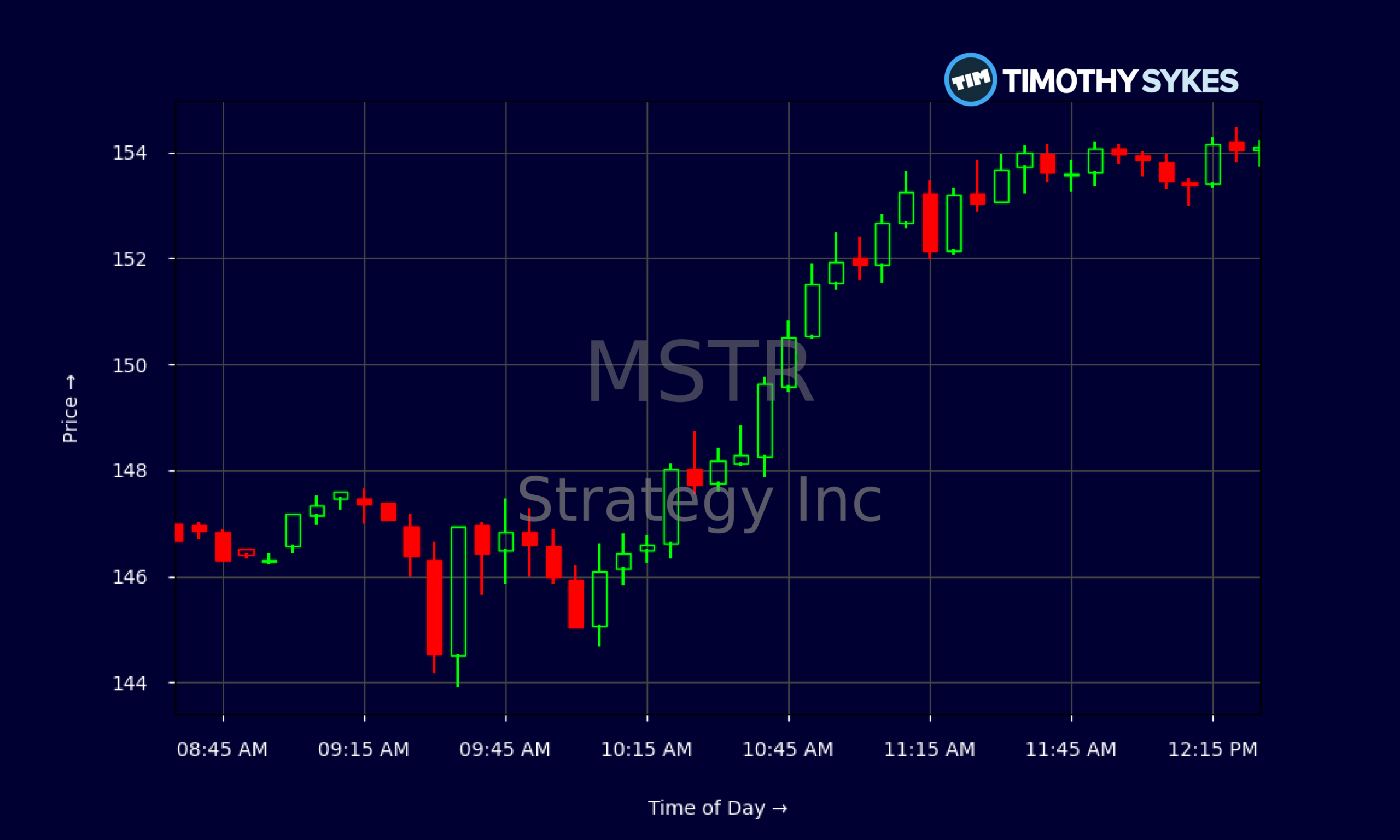
Live Update At 12:32:15 EDT: On Wednesday, October 21, 2026 Strategy Inc stock [NASDAQ: MSTR] is trending up by 8.0%! Discover the key drivers behind this movement as well as our expert analysis in the detailed breakdown below.
Quick Financial Overview
MSTR has been trading like a leveraged bitcoin ETF on steroids, and the chart backs that up. Over the last several weeks, MSTR swung between about $134 and $170, with the latest close near $154. That puts the stock in the upper half of its recent range after a sharp two‑day bounce from around $136, a pattern momentum traders know as a potential short squeeze starter kit.
Intraday action tells the same story. Today’s session shows steady stair‑step buying from the mid‑$140s at the open toward the mid‑$150s midday, with tight five‑minute candles and shallow pullbacks. That intraday grind suggests dip buyers are in control, not just fast hands flipping the name.
More Breaking News
Fundamentals for MicroStrategy’s legacy software business look almost secondary. Revenue sits near $477.2M annually and has been shrinking, while profitability metrics are deeply negative. But MSTR’s current ratio above 5 and low debt‑to‑equity around 0.22 show a balance sheet that still has room to maneuver. For active traders, the key takeaway is simple: this is a high‑liquidity, high‑beta bitcoin proxy with real buyback firepower behind it.
Why Traders Are Watching MSTR Right Now
MicroStrategy has doubled down again on its bitcoin‑treasury identity, and the last batch of headlines shows exactly why traders flock to MSTR when crypto heats up. Strategy disclosed fresh purchases of 267 BTC for $22.1M at an average of $82,900, and another 250 BTC for $21.5M around $86,194. That pushes total holdings to about 848,517 BTC, worth roughly $64.02B at cost. Every new coin adds torque to MSTR’s chart, turning normal BTC swings into outsized stock moves.
At the same time, MSTR’s board boosted its digital credit securities repurchase program from $2B to $3B, leaving $1.16B still on the table for future buybacks as of 2026/10/18. Traders got the message fast — shares ticked about 2% higher in premarket trading on the news, a classic reaction when the market senses a bid under the stock.
Wall Street is leaning in too. Clear Street raised its MSTR price target to $211, citing better financing flexibility after using common stock issuance to retire preferreds and build dollar reserves. Cantor Fitzgerald bumped its target to $208, while Barclays moved to $175, all with bullish ratings. That trifecta of target hikes tells short sellers they are fighting both bitcoin momentum and a supportive analyst backdrop.
Underneath the headlines, Strategy continues to juggle capital aggressively. The company sold roughly 125,000 MSTR shares for $21M via its ATM, then used that plus $0.5M of cash to buy 250 BTC — effectively recycling equity into more bitcoin exposure. Yet it still reported USD reserves around $4.83–$4.88B and hundreds of millions in cash after repurchasing $193.1M of stock and paying $45.5M in preferred dividends. For traders, that mix of leverage and liquidity is the whole MSTR story.
Conclusion
For active traders, MSTR remains one of the cleanest ways to trade both bitcoin sentiment and complex capital‑markets action in a single ticker. MicroStrategy is not hiding what it is. The company keeps stacking BTC, expanding buybacks, and shuffling its capital structure to maximize bitcoin‑per‑share, all while maintaining multi‑billion‑dollar USD reserves as dry powder.
Near term, the next big waypoint is the upcoming Q3 2026 earnings and presentation, which Strategy plans to stream across Zoom, X, and YouTube. Traders will be laser‑focused on updated BTC totals, remaining buyback capacity, and any new moves in preferred or common issuance. Governance filings like the recent DEFA14A add another layer, hinting that capital‑structure tweaks may stay front and center.
MSTR’s risk profile is clear. Revenue is modest, reported earnings are sharply negative, and the stock’s value is tied directly to a volatile crypto asset. That is exactly why traders love it. The name can move 10–20% in a heartbeat when bitcoin rips or dips, and the expanded $3B repurchase program offers an extra twist for short squeezes and momentum runs.
As Tim Sykes likes to remind his students, “Volatility is opportunity if you’re prepared — but a disaster if you’re lazy.” As millionaire penny stock trader and teacher Tim Sykes, says, “Embrace the journey, the ups and downs; each mistake is a lesson to improve your strategy.”. MicroStrategy and MSTR sit squarely in that camp. For disciplined traders who study the filings, track BTC levels, and respect risk, this ticker stays on the A‑list — not as a safe haven, but as a high‑octane trading vehicle for educational and research purposes only.
This is stock news, not investment advice. Timothy Sykes News delivers real-time stock market news focused on key catalysts driving short-term price movements. Our content is tailored for active traders and investors seeking to capitalize on rapid price fluctuations, particularly in volatile sectors like penny stocks. Readers come to us for detailed coverage on earnings reports, mergers, FDA approvals, new contracts, and unusual trading volumes that can trigger significant short-term price action. Some users utilize our news to explain sudden stock movements, while others rely on it for diligent research into potential investment opportunities.
Dive deeper into the world of trading with Timothy Sykes, renowned for his expertise in penny stocks. Explore his top picks and discover the strategies that have propelled him to success with these articles:
- Penny Stocks Trading Guide
- Best Penny Stocks Under $1 to Buy Today
- Top 8 Penny Stocks to Watch on Robinhood
Once you’ve got some stocks on watch, elevate your trading game with StocksToTrade the ultimate platform for traders. With specialized tools for swing and day trading, StocksToTrade will guide you through the market’s twists and turns.
Dig into StocksToTrade’s watchlists here:





Leave a reply