

J-Star Holding Co. Ltd. stocks have been trading up by 13.99 percent amid upbeat sentiment from its latest strategic developments.
Key Takeaways
- J-Star (YMAT) jumped about 141% in premarket trading after revealing that corporate capital initiatives will fund a new automated carbon fiber production facility in Houston.
- Ongoing capital initiatives are central to J-Star’s plan to build the automated Houston carbon-fiber facility and scale its manufacturing footprint.
- The Houston announcement triggered a more-than-doubling of J-Star’s share price and an extreme spike in trading volume, putting YMAT squarely on momentum traders’ screens.
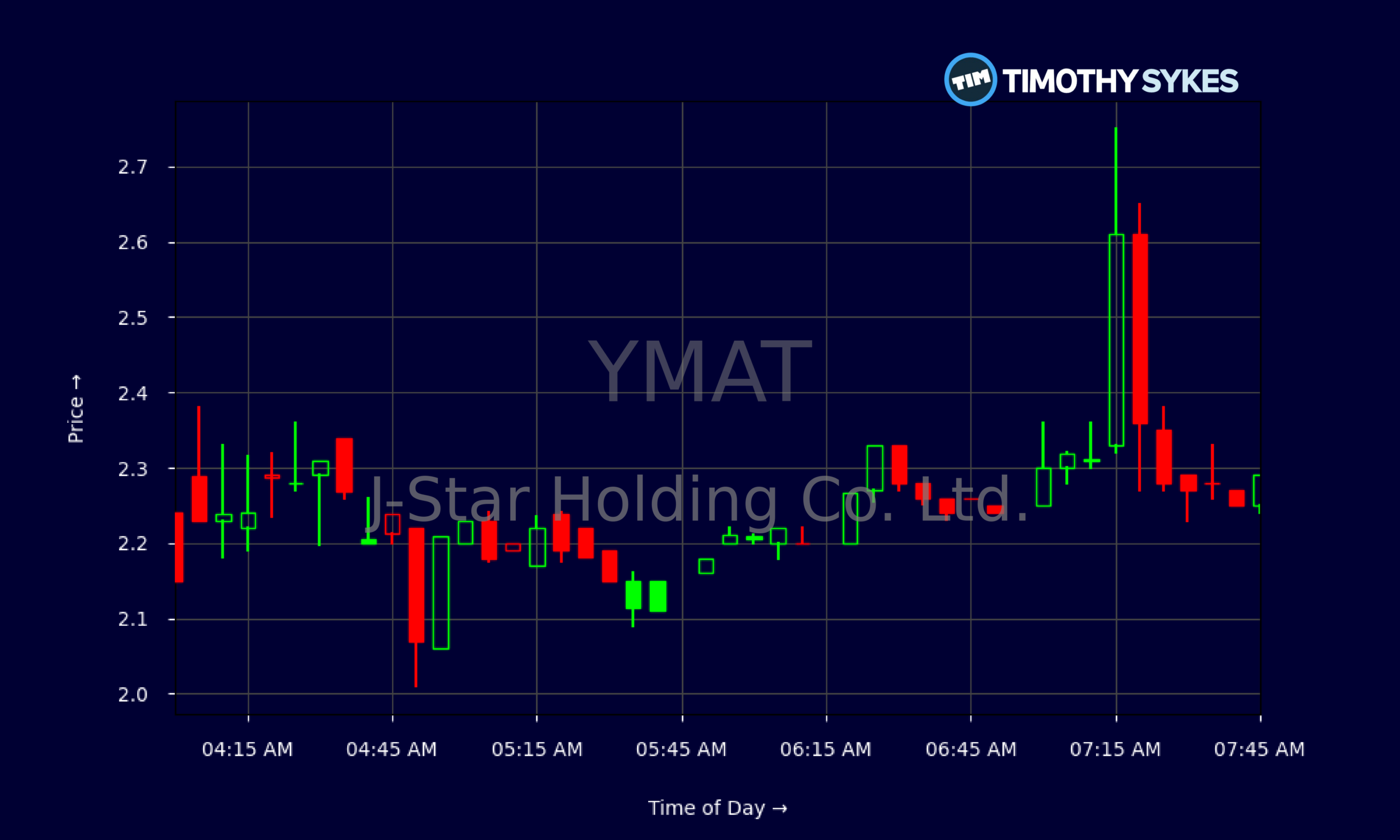
Live Update At 07:47:49 EDT: On Wednesday, October 21, 2026 J-Star Holding Co. Ltd. stock [NASDAQ: YMAT] is trending up by 13.99%! Discover the key drivers behind this movement as well as our expert analysis in the detailed breakdown below.
Quick Financial Overview
YMAT has gone from sleepy to explosive in a matter of days. On the daily chart, J-Star Holding Co. Ltd. traded in a tight $1.28–$1.70 zone for much of late 2026, with closes in the mid‑$1 range. Then the Houston facility news hit. Shares ripped as high as $4.49 on 2026/10/12 before closing at $2.91, more than double prior levels and signaling aggressive speculative trading.
Since that spike, YMAT has been cooling off but still holding elevated prices. Recent closes between roughly $1.80 and $2.01 show the stock trying to find a new base well above its pre‑news range. Intraday, the 5‑minute chart shows intense premarket action between $2.00 and $2.60, with quick swings that reward disciplined traders and punish those who hesitate.
More Breaking News
Fundamentally, J-Star posts about $9.93M in revenue with a low price‑to‑sales near 0.52 and price‑to‑book around 0.42. That tells traders the market is valuing YMAT cheaply against its assets and sales. But balance sheet data also shows heavy current debt and negative equity, highlighting real financial stress underneath the momentum. For active traders, that mix of low valuation, weak balance sheet, and fresh news creates classic volatility fuel.
Why Traders Are Watching YMAT After The Houston News
YMAT is suddenly a textbook momentum story. J-Star told the market its ongoing capital initiatives will fund a new automated carbon-fiber production facility in Houston. That single line was enough to send YMAT up roughly 141% in premarket trading and drive a more‑than‑doubling in the share price once regular hours kicked in. For short‑term traders, that is exactly the kind of catalyst you study every day.
The Houston project signals expansion. Automated carbon-fiber production is tied to high‑tech and industrial demand, and traders read that as J-Star trying to move up the value chain. The phrase “ongoing capital initiatives” matters as well. It tells the market YMAT is already working on the funding side rather than just pitching a vague future plan.
The trading response confirms it. Volume spiked to “extreme” levels as traders piled into YMAT, chasing the breakout and scalping intraday swings. On the tape, you can see wild moves from the low $2s up toward the mid‑$2s and back, all within minutes. That style of action attracts day traders, momentum players, and even short sellers looking to fade the move.
But this is not a one‑way street. With J-Star’s negative equity and large short‑term debt load, the market also knows YMAT is under pressure to execute. Any sign that the Houston facility funding stalls, or that dilution ramps up too hard, can flip sentiment fast. That tension between big upside headlines and fragile fundamentals is exactly why many traders keep YMAT on their watchlists for reactive trades rather than long‑term holds.
Conclusion
YMAT is now a live case study of how a single expansion headline can rewrite a small-cap chart. J-Star’s plan to use corporate capital initiatives to build an automated carbon-fiber facility in Houston unleashed a sharp rerating, a 141% premarket surge, and huge volume. That move pushed YMAT into a new trading zone, with prices still well above the pre‑news base and intraday action that feels more like a battlefield than a calm market.
For traders, the job is to respect both sides of the story. On one side, J-Star’s low price‑to‑sales and cheap price‑to‑book give YMAT a “value plus catalyst” profile. On the other, the negative equity, big current debt stack, and reliance on capital initiatives underscore serious financial risk. That combination often leads to the kind of big range days that reward strict plans and quick decision‑making.
This is where the mindset of the Tim Sykes community comes in: cut losses fast, do not marry a stock, and let the chart and catalyst guide you. As millionaire penny stock trader and teacher Tim Sykes says, “You must adapt to the market; the market will not adapt to you.”. Or as Tim Sykes likes to remind traders, “The market doesn’t care about your opinion, it only cares about price and volume — study the patterns, react, and always protect your downside.” YMAT’s Houston story is still developing, but the message for traders is clear: treat it as a volatile education opportunity, not a guarantee of future profits.
This is stock news, not investment advice. Timothy Sykes News delivers real-time stock market news focused on key catalysts driving short-term price movements. Our content is tailored for active traders and investors seeking to capitalize on rapid price fluctuations, particularly in volatile sectors like penny stocks. Readers come to us for detailed coverage on earnings reports, mergers, FDA approvals, new contracts, and unusual trading volumes that can trigger significant short-term price action. Some users utilize our news to explain sudden stock movements, while others rely on it for diligent research into potential investment opportunities.
Dive deeper into the world of trading with Timothy Sykes, renowned for his expertise in penny stocks. Explore his top picks and discover the strategies that have propelled him to success with these articles:
- Penny Stocks Trading Guide
- Best Penny Stocks Under $1 to Buy Today
- Top 8 Penny Stocks to Watch on Robinhood
Once you’ve got some stocks on watch, elevate your trading game with StocksToTrade the ultimate platform for traders. With specialized tools for swing and day trading, StocksToTrade will guide you through the market’s twists and turns.
Dig into StocksToTrade’s watchlists here:





Leave a reply