

Snap Inc. stocks have been trading down by -6.01 percent amid bearish sentiment over slowing digital ad growth and user engagement.
Key Takeaways For SNAP Traders
- UBS toggled its SNAP price target between $5.70 and $7, flagging the platform’s ongoing struggle to win top-tier advertiser attention despite a better digital ad backdrop.
- Evercore’s “negative” channel checks suggest weaker near-term ad trends and budget allocations toward SNAP compared with key peers.
- A U.S. appeals court let Florida enforce a social media law blocking kids under 14 from apps like Snapchat, raising longer-term regulatory risk.
- A Form 144 filing shows an insider planning to sell Snap Inc. shares, adding potential supply pressure and a mild sentiment drag.
Live Update At 16:46:27 EDT: On Friday, October 30, 2026 Snap Inc. stock [NYSE: SNAP] is trending down by -6.01%! Discover the key drivers behind this movement as well as our expert analysis in the detailed breakdown below.
Quick Financial Overview
SNAP’s numbers tell the story of a platform still fighting for its footing. Over the last quarter, Snap Inc. generated about $1.60B in revenue with gross margin near 78%. That is strong on the surface, but SNAP still posted a net loss of roughly $164M and an operating loss near $171M. So the core business earns solid dollars on each ad sold, yet overhead and growth spending keep the bottom line red.
Cash flow is a bit healthier. SNAP printed about $176M in operating cash flow and $121M in free cash flow, helped by heavy non-cash items like $263M in stock-based compensation. Traders should read that as “cash OK, profits not there yet.” Debt sits high, with long-term debt above $3.3B and leverage ratios elevated, which matters if ad growth stalls.
More Breaking News
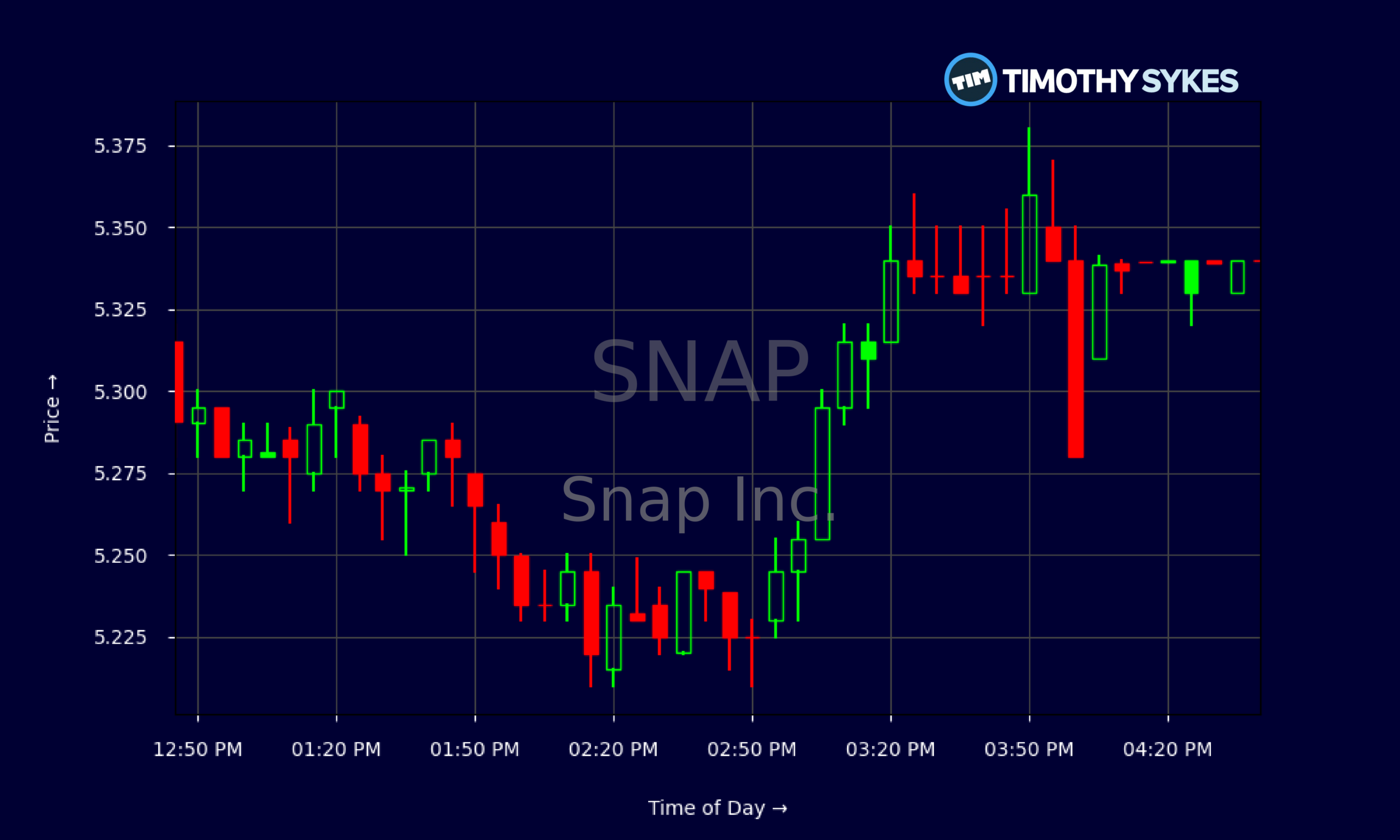
On the chart, SNAP has faded from the mid-$6s to around $5.34 recently. The daily candles show a steady downtrend, with lower highs from 2026/10/16 onward. Intraday, SNAP mostly chopped between $5.20 and $5.35 with no strong bounce attempt, signaling tired buyers and room for further downside if bad news continues.
Why Traders Are Watching SNAP Now
This week’s news flow around SNAP is a classic “death by a thousand cuts” story that active traders watch closely. None of these headlines alone is a knockout punch. Together, they explain why the stock has slid from $6.50–$6.80 into the low-$5s.
First, the analyst backdrop. UBS has moved its price target for SNAP within a tight $5.70–$7 band while keeping a cautious stance. The key line for traders is not the target itself, but the reasoning: SNAP is struggling to secure advertiser prioritization even as the broader digital ad market improves. In plain English, ad budgets are coming back to the sector, but the money is not rushing toward SNAP.
Evercore’s ad channel checks drive that point home. Agencies described conditions for Snap Inc. as “negative,” with weaker near-term ad trends and budgets. For a name priced as a growth story, that hits where it hurts: forward revenue momentum. If SNAP is losing share or just lagging peers, traders will discount its future, and that shows up in selling pressure.
Then you have regulatory risk piling on. A U.S. appeals court just allowed Florida to enforce a law blocking children under 14 from platforms such as Snapchat and targeting addictive features like autoplay and infinite scroll. Even if near-term revenue impact is small, traders know this is the core demographic for SNAP’s engagement. If other states copy Florida, growth assumptions get haircut.
Finally, the Form 144 insider sale filing for Snap Inc. drops another small weight on the scale. Planned insider sales mean more shares hitting the market and add to the message that management is not aggressively leaning into the current price. Put all of this next to a weak tape and you get the grind down we see across recent SNAP candles.
Conclusion
For active traders, SNAP is a clean example of what happens when a story stock loses the benefit of the doubt. The fundamentals show a platform with real scale and high gross margins, but still fighting losses and heavy stock-based pay. The news shows a company not fully participating in an ad recovery, facing negative channel checks, fresh regulation in Florida, and extra insider supply. The chart confirms the message: lower highs, weak bounces, and closing near the bottom of the recent range.
None of this means SNAP is finished. Volatile, pressured names often become prime trading vehicles, and SNAP already trades in a liquid, tight band that short-term traders like. But this is not a “close your eyes and hope” situation. It is a name where headlines matter, levels matter, and discipline matters. As millionaire penny stock trader and teacher Tim Sykes, says, “It’s not about how much money you make; it’s about how much money you keep.” In a choppy, news-driven ticker like SNAP, that quote underscores the need to protect trading capital first and treat every setup with strict risk controls.
That is exactly what the Tim Sykes community drills into students every day: “Patterns repeat, but only traders who cut losses quickly and stay obsessed with the news flow are around long enough to see them pay off.” For anyone tracking SNAP, that mindset is essential. This article is strictly for educational and research purposes, and traders should use it as a starting point — not a substitute for their own due diligence and risk management.
This is stock news, not investment advice. Timothy Sykes News delivers real-time stock market news focused on key catalysts driving short-term price movements. Our content is tailored for active traders and investors seeking to capitalize on rapid price fluctuations, particularly in volatile sectors like penny stocks. Readers come to us for detailed coverage on earnings reports, mergers, FDA approvals, new contracts, and unusual trading volumes that can trigger significant short-term price action. Some users utilize our news to explain sudden stock movements, while others rely on it for diligent research into potential investment opportunities.
Dive deeper into the world of trading with Timothy Sykes, renowned for his expertise in penny stocks. Explore his top picks and discover the strategies that have propelled him to success with these articles:
- Penny Stocks Trading Guide
- Best Penny Stocks Under $1 to Buy Today
- Top 8 Penny Stocks to Watch on Robinhood
Once you’ve got some stocks on watch, elevate your trading game with StocksToTrade the ultimate platform for traders. With specialized tools for swing and day trading, StocksToTrade will guide you through the market’s twists and turns.
Dig into StocksToTrade’s watchlists here:





Leave a reply