

Six Flags Entertainment Corporation New stocks have been trading down by -10.5 percent amid fears over weakened theme-park attendance.
Key Takeaways
- A fatal Goliath coaster accident at Six Flags Over Georgia sparked an 8–12% after-hours and pre-market slide in FUN, deepening to roughly 14–15% in regular trading.
- Management shut Goliath plus 8–10 similar coasters systemwide, after permanently closing the X2 ride two weeks earlier amid injury lawsuits and a CNN investigation.
- Citi cut its FUN price target from $17 to $13, warning that inflation, gas prices, and higher rates are pressuring theme-park demand through at least 2027.
- Law firms Levi & Korsinsky, Bleichmar Fonti & Auld, and Robbins LLP launched securities and fiduciary-duty probes into whether Six Flags misled markets on safety and maintenance.
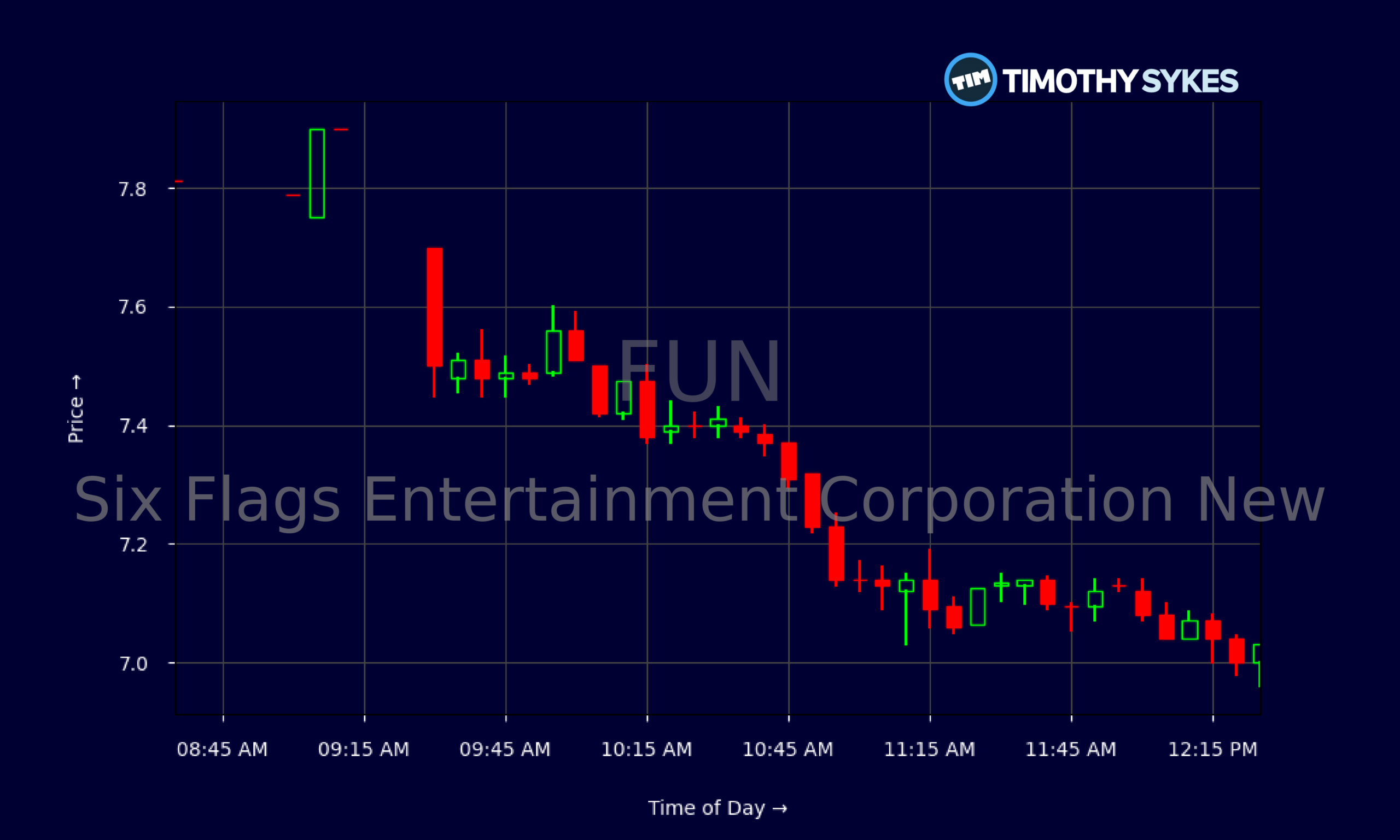
Live Update At 12:32:42 EDT: On Wednesday, October 21, 2026 Six Flags Entertainment Corporation New stock [NYSE: FUN] is trending down by -10.5%! Discover the key drivers behind this movement as well as our expert analysis in the detailed breakdown below.
Quick Financial Overview
FUN has gone from slow drift to full-on downdraft. From 2026/09/28 to 2026/10/01, FUN traded in the low teens; by 2026/10/21 it closed near $7.04, essentially cutting the stock almost in half in under a month. The heaviest part of that slide came right after the fatal Goliath accident, when FUN flushed from around $12 to sub-$9 and kept bleeding.
Intraday on 2026/10/21, FUN’s 5‑minute chart tells the story of a weak bounce attempt. The stock opened near $7.70, sold off into the low $7s, and then chopped in a tight $7.00–$7.15 range. That kind of narrow, low‑volume consolidation after a big multi-day drop usually signals shell-shocked traders and a wait‑and‑see tape rather than eager buying.
More Breaking News
Fundamentally, Six Flags is not in great shape. FUN generated about $3.10B in revenue over the last year, with a strong 78.3% gross margin, but it still posted a net margin near ‑57%. Return on assets and equity are deep in the red, and leverage is heavy, with long‑term debt over $4.9B and a current ratio of just 0.4. For active traders, that mix—weak profitability, high debt, and a falling share price—means any new hit to cash flow or attendance can matter fast. This is a classic broken story where every headline moves the needle.
Why Traders Are Watching FUN After The Goliath Tragedy
For momentum traders, FUN has turned into a live case study in headline risk. The fatal accident on the Goliath roller coaster at Six Flags Over Georgia—reportedly one death and several injuries—didn’t just shock the public. It immediately reset how the market prices Six Flags Entertainment Corporation New.
Right after the AP report, FUN dropped about 12% after-hours to roughly $10.50. Pre‑market the next morning, it was still down around 8% as traders baked in liability, regulatory, and reputational risk. Once regular hours opened and more details hit, the selling snowballed into a roughly 14.4% one‑day hit and, at points, more than a 15% intraday decline.
The operational fallout is just as important as the chart. Six Flags shut Goliath and between eight and ten similar coasters across multiple parks. Earlier, it had already permanently closed the X2 coaster after injury lawsuits and a CNN investigation. For FUN, that means marquee attractions offline, softer attendance potential, and question marks around future revenue.
Legal overhang now adds a second wave of pressure. Levi & Korsinsky launched a securities‑fraud probe into whether FUN misled markets on safety and maintenance. Bleichmar Fonti & Auld followed with its own securities‑fraud investigation after the 14.4% drop and 10‑coaster shutdown, focusing on alleged misstatements around ride reliability. Robbins LLP is examining possible securities‑law violations and fiduciary breaches by Six Flags’ board.
Layer in Citi’s price‑target cut from $17 to $13 on 2026/10/08—flagging weaker demand into 2027 from inflation, gas prices, and higher interest rates—and you get a stacked bearish thesis. For short‑term traders, FUN has become a pure event‑driven volatility play where every new filing, regulator comment, or ride update can spark sharp, tradeable moves.
Conclusion
FUN now trades like a damaged theme-park operator with a legal cloud overhead, not a simple consumer‑discretionary play. The stock’s slide from the low‑teens to near $7 shows how fast sentiment can unwind when safety, governance, and macro demand all line up against a name. Six Flags Entertainment Corporation New is still throwing off solid operating cash flow, but heavy leverage, negative earnings, and ride closures keep the pressure on.
For day and swing traders, that combination can create both opportunity and danger. FUN’s compressed price, stacked law‑firm investigations, and Citi’s lower $13 target mean bounces may be sharp but contested. Trend‑followers will watch whether the recent tight intraday ranges break lower on fresh negative headlines or trigger short‑covering spikes on any hint of regulatory clarity or ride reopenings.
The key is discipline. This content is for educational and research purposes only, but the trading lessons are real. As millionaire penny stock trader and teacher Tim Sykes, says, “Consistency is key in trading; don’t let emotions dictate your trades.”. As Tim Sykes likes to say, “Volatility is your best friend and your worst enemy—learn to respect it, or it will destroy your account.” With FUN, that means sizing small, cutting losses quickly, and treating every new safety or legal update as a potential catalyst, not background noise.
This is stock news, not investment advice. Timothy Sykes News delivers real-time stock market news focused on key catalysts driving short-term price movements. Our content is tailored for active traders and investors seeking to capitalize on rapid price fluctuations, particularly in volatile sectors like penny stocks. Readers come to us for detailed coverage on earnings reports, mergers, FDA approvals, new contracts, and unusual trading volumes that can trigger significant short-term price action. Some users utilize our news to explain sudden stock movements, while others rely on it for diligent research into potential investment opportunities.
Dive deeper into the world of trading with Timothy Sykes, renowned for his expertise in penny stocks. Explore his top picks and discover the strategies that have propelled him to success with these articles:
- Penny Stocks Trading Guide
- Best Penny Stocks Under $1 to Buy Today
- Top 8 Penny Stocks to Watch on Robinhood
Once you’ve got some stocks on watch, elevate your trading game with StocksToTrade the ultimate platform for traders. With specialized tools for swing and day trading, StocksToTrade will guide you through the market’s twists and turns.
Dig into StocksToTrade’s watchlists here:





Leave a reply