

American Airlines Group Inc. stocks have been trading up by 3.33 percent following stronger-than-expected travel demand outlook.
Key Takeaways
- Plans to add SpaceX Starlink high‑speed internet across more than 1,000 mainline aircraft from early 2027, expanding from an earlier, smaller Airbus-only rollout.
- Moves to end involuntary passenger bumping on overbooked flights, shifting to earlier volunteer offers and clearer compensation rules backed by upgraded tech systems.
- Wins Brazilian regulator CADE approval for a $100M stake in distressed carrier Azul, gaining roughly 8% ownership under strict governance and information‑sharing safeguards.
- Faces a wave of price target cuts from Susquehanna, Wells Fargo, and UBS into a roughly $14–$16 band despite solid demand and healthier supply/demand signals.
- Operates in a sector pressured by elevated jet fuel costs, keeping trader focus on capacity discipline and cost control even as travel demand stays strong.
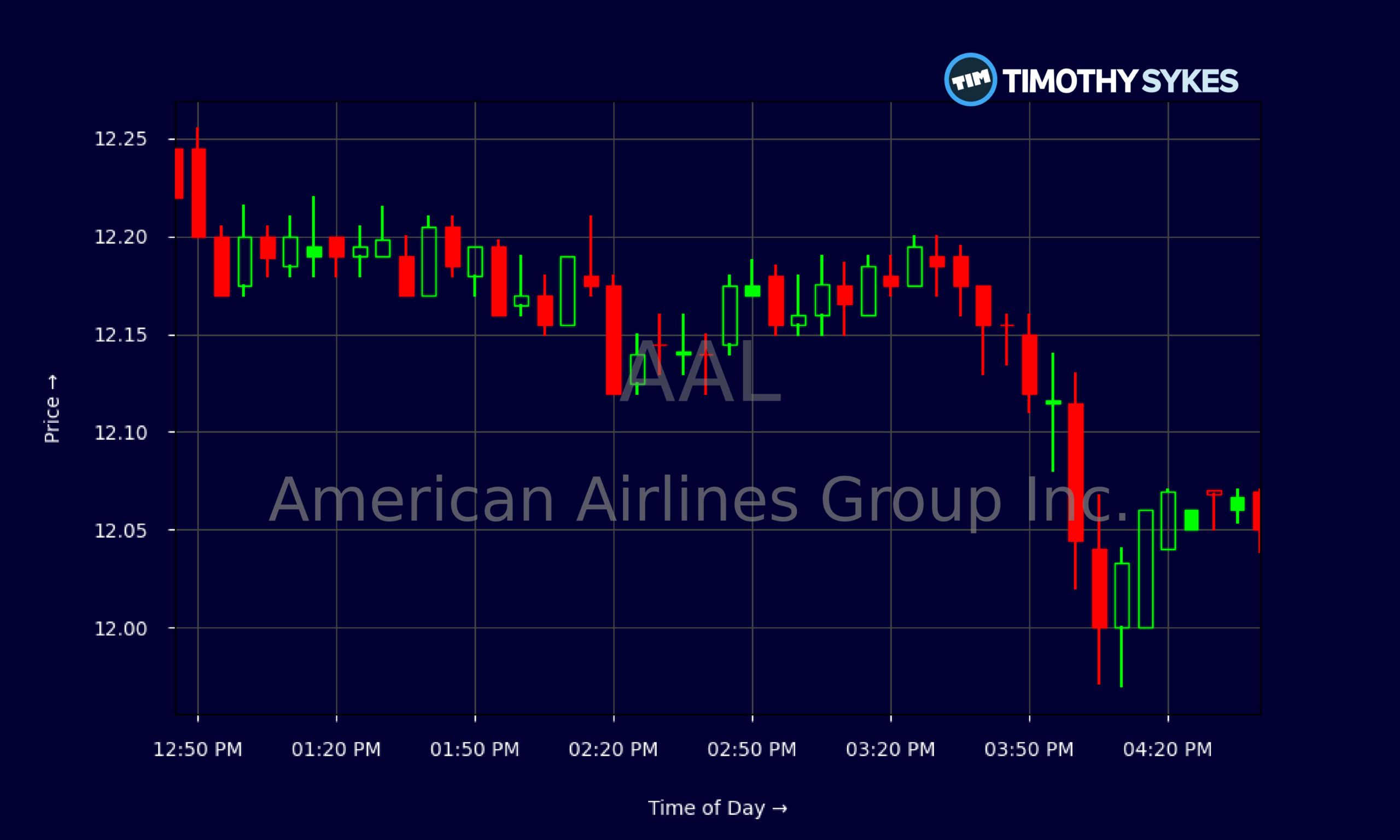
Live Update At 16:47:56 EDT: On Tuesday, October 20, 2026 American Airlines Group Inc. stock [NASDAQ: AAL] is trending up by 3.33%! Discover the key drivers behind this movement as well as our expert analysis in the detailed breakdown below.
Quick Financial Overview
AAL has been grinding sideways with a bearish tilt. Over the last few weeks, American Airlines Group Inc. has slipped from the mid‑$13s toward the low $12s, with recent closes near $12.11 after multiple failed pushes above $13. That’s a classic “slow bleed” range trade, not a clean breakout.
Intraday, AAL shows tight price action between roughly $11.70 and $12.30, with liquidity and small swings attracting day traders but not yet confirming a bigger trend. You’re seeing pops into the $12.50–$12.60 area fade quickly, which tells you sellers are still leaning on strength.
On the fundamentals, AAL is a high‑revenue, low‑margin machine. Quarterly revenue sits around $16.7B, but operating income is only about $453M, and net income just $71M. That’s razor‑thin for a balance sheet carrying roughly $25.8B of long‑term debt and negative equity near -$4.0B. Current and quick ratios around 0.5 and 0.4 show AAL doesn’t have much short‑term cushion.
More Breaking News
For traders, that mix screams “leverage plus volatility.” Small shifts in fuel, fares, or traffic can swing earnings hard, which is exactly the kind of backdrop that creates sharp moves when news or earnings hit.
Why Traders Are Watching AAL Right Now
AAL is in one of those classic tug‑of‑war phases: strong strategic headlines on one side, serious macro and cost pressure on the other. That’s usually fertile ground for active trading.
On the positive side, American Airlines Group Inc. is leaning hard into its product story. Rolling out SpaceX’s Starlink across more than 1,000 mainline jets from early 2027 moves AAL into the “premium connectivity” camp. That doesn’t save this quarter’s earnings, but it does give the airline a clear talking point on customer experience, loyalty, and potentially higher yields on key routes down the line. Traders should see this as narrative fuel, not immediate EPS juice.
AAL is also trying to clean up its operational reputation. The carrier has historically been responsible for about 60% of U.S. involuntary bumping. Now it’s pledging to end involuntary denied boarding by using better tech and new policies that push agents to find volunteers earlier and spell out compensation. That’s more than PR; fewer ugly bumping incidents mean less disruption, lower compensation risk, and a slightly smoother operation. Again, not instantly visible in the numbers, but it supports the long‑term brand.
Then there’s the Brazil angle. American Airlines Group Inc. just secured CADE approval to invest $100M in Azul for roughly an 8% stake as Azul restructures under Chapter 11. Strategically, AAL gains deeper exposure to Latin America and a potentially tighter partner in a key growth market. But Azul is distressed for a reason. For traders, that’s pure optionality: if the restructuring works, network reach and connectivity improve; if it doesn’t, AAL has tied capital to a weak link.
Overlay all of this with sector commentary: elevated jet fuel is squeezing margins across Delta, United, Alaska, Southwest, and AAL. Even with strong demand, cost inflation caps upside. That macro backdrop is what keeps AAL from re‑rating higher on good news alone.
Conclusion
The Street’s reaction to AAL shows this split clearly. Susquehanna cut its American Airlines price target from $20 to $15 but stuck with a Positive stance, citing healthier supply/demand and improving TSA traffic. UBS trimmed its target from $17 to $16 while maintaining a Buy, stressing that strong demand and friendlier fuel are now requirements, not bonuses, for upside. Wells Fargo went even lower, slicing its target to $14 and keeping an Equal Weight view, saying it prefers premium carriers over American Airlines Group Inc. in a high‑fuel world.
So traders are dealing with AAL priced for caution, not collapse. Consensus targets clustering in the mid‑teens leave some room above the current low‑$12 area, but not a massive cushion. That means the next real move will likely come from catalysts: earnings, fuel swings, unit revenue trends, or headlines around the Azul stake and Starlink rollout.
For short‑term traders, AAL’s tight intraday ranges and repeated rejections near $13 define the battlefield. Breaks above that band with volume can trigger momentum; failures there keep the slow grind alive. Longer‑term players in the Sykes and Bohen community tend to keep it simple. As millionaire penny stock trader and teacher Tim Sykes, says, “Preparation plus patience leads to big profits.”. As Tim Sykes likes to say, “Patterns repeat, but you have to be prepared when they do.” With American Airlines Group Inc., that preparation means tracking fuel, fares, and news flow side by side—and cutting losses fast when the tape disagrees with your thesis.
This is stock news, not investment advice. Timothy Sykes News delivers real-time stock market news focused on key catalysts driving short-term price movements. Our content is tailored for active traders and investors seeking to capitalize on rapid price fluctuations, particularly in volatile sectors like penny stocks. Readers come to us for detailed coverage on earnings reports, mergers, FDA approvals, new contracts, and unusual trading volumes that can trigger significant short-term price action. Some users utilize our news to explain sudden stock movements, while others rely on it for diligent research into potential investment opportunities.
Dive deeper into the world of trading with Timothy Sykes, renowned for his expertise in penny stocks. Explore his top picks and discover the strategies that have propelled him to success with these articles:
- Penny Stocks Trading Guide
- Best Penny Stocks Under $1 to Buy Today
- Top 8 Penny Stocks to Watch on Robinhood
Once you’ve got some stocks on watch, elevate your trading game with StocksToTrade the ultimate platform for traders. With specialized tools for swing and day trading, StocksToTrade will guide you through the market’s twists and turns.
Dig into StocksToTrade’s watchlists here:





Leave a reply