
Microsoft Corporation stocks have been trading up by 2.77 percent amid investor optimism over its accelerating AI and cloud growth.
Key Takeaways
- Cloud revenue jumped to $63.9B with 30% year-over-year growth, helping MSFT beat expectations on revenue, operating income, and EPS and reinforcing its premium valuation for active traders.
- Management guided Q2 Agents & Infrastructure revenue to $80.1B–$80.7B, signaling 24%–25% growth and strong confidence in Microsoft’s AI and cloud demand pipeline.
- Copilot adoption is surging, with daily users up ~50% quarter-over-quarter, over 5x year-over-year, and large customers with 50,000+ seats up more than 8x.
- Major banks including TD Cowen, Truist, BMO, Citi, BofA, Morgan Stanley, and UBS lifted MSFT price targets into the $600–$675 range on sustained Azure and AI strength.
- Engagement is broad-based, with LinkedIn up 15% year-over-year, Bing gaining ad share, and record gaming performance ahead of a packed Xbox release slate.
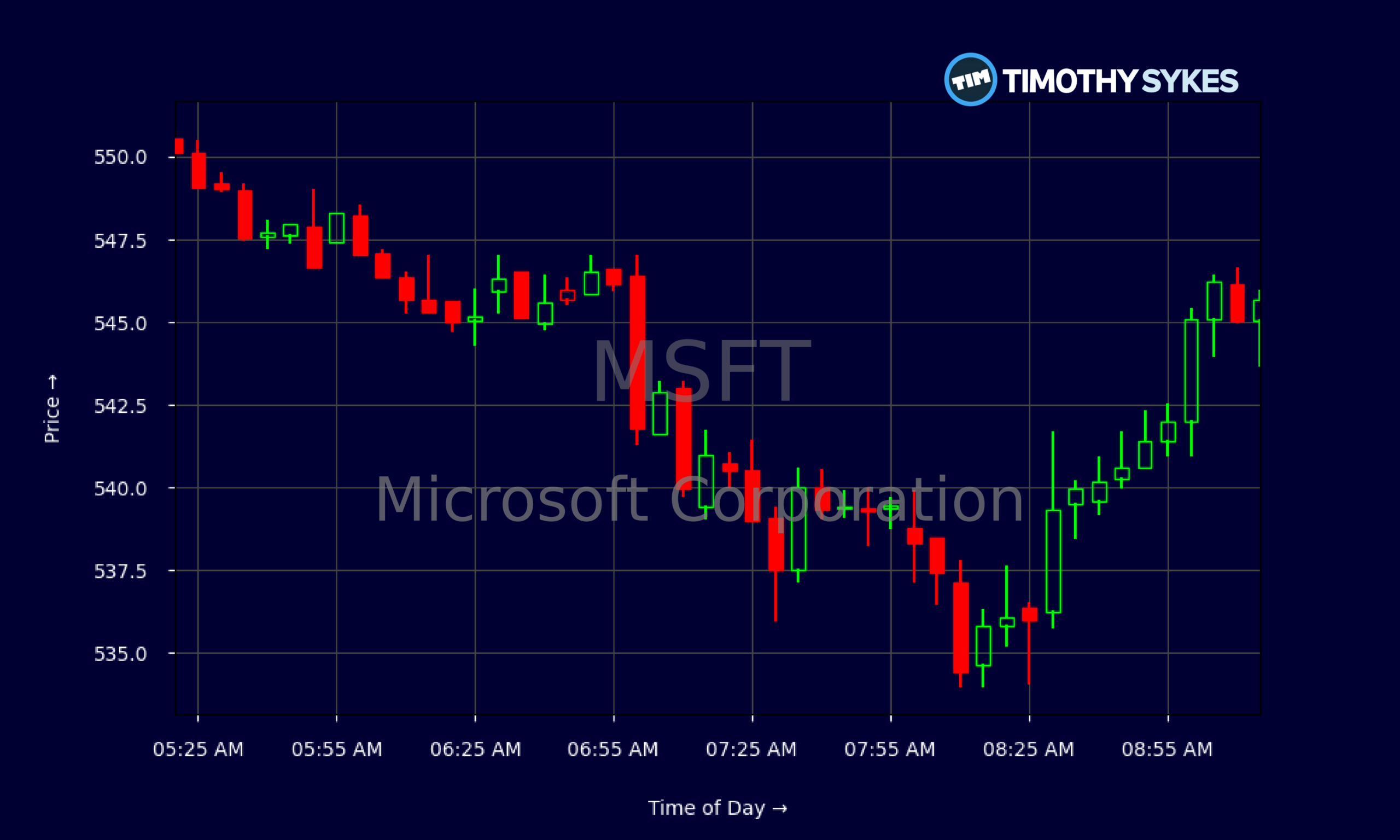
Live Update At 09:18:56 EDT: On Thursday, October 29, 2026 Microsoft Corporation stock [NASDAQ: MSFT] is trending up by 2.77%! Discover the key drivers behind this movement as well as our expert analysis in the detailed breakdown below.
Quick Financial Overview
MSFT is trading in the low-$530s after a Q1 beat that pushed the stock up about 4% in after-hours trading. The daily chart shows a steady grind higher over the last couple of weeks, with closes mostly between $521 and $539. That’s a tight, bullish channel, not a blow‑off top. For short-term traders, this kind of controlled uptrend often signals strong dip-buy interest rather than frothy speculation.
Intraday, MSFT has been printing a series of higher lows around the mid-$540s in premarket and early trading, with spikes toward $550 before fading. That tells momentum traders there’s active tug-of-war between breakout buyers and profit-takers, but no sign of panic selling.
More Breaking News
Under the hood, Microsoft Corporation is throwing off serious cash. Quarterly revenue sits near $92.3B with operating income around $45.9B. Profit margins north of 40% and gross margin near 68% are elite. A price/earnings ratio around 29.8 is rich versus the market, but the balance sheet carries low debt, strong interest coverage, and over $64.5B in cash and short-term investments. For traders, MSFT looks like a high-quality momentum name, not a shaky squeeze.
Why Traders Are Watching MSFT’s AI And Cloud Momentum
MSFT just delivered what the Street wanted: acceleration where it counts. Microsoft Cloud revenue reached $63.9B and grew 30% year over year, faster than before, while beating expectations on revenue, operating income, and EPS. When a mega-cap already priced for greatness still accelerates, momentum traders pay attention.
Guidance backed it up. Microsoft Corporation guided Q2 Agents & Infrastructure revenue to $80.1B–$80.7B, implying 24%–25% growth. That’s management effectively telling the market that AI and cloud demand are not slowing; they’re building. For anyone trading around earnings, that kind of forward look can support multi-day continuation moves, not just a one-night pop.
The AI story is not just hype for MSFT. On the Q1 call, CEO Satya Nadella said Copilot usage is exploding: automated tasks nearly doubled since July, daily users are up ~50% quarter over quarter and more than 5x year over year, and customer satisfaction improved nearly 20%. Even more important for traders, customers with more than 50,000 Copilot seats increased over 8x year over year. That points to large, sticky enterprise deals that can keep revenue compounding.
Wall Street is lining up behind this narrative. Truist and BofA highlighted Azure growth near the mid‑40% range, powered by AI demand and data‑center expansion. Morgan Stanley still sees upside with a $600 price target even with MSFT trading around $533.60. UBS went further, taking its target to $675 and still calling the valuation reasonable given Azure, Microsoft 365, and AI adoption. When multiple big banks crowd into the same bullish lane, sentiment can become a tailwind for trend-following traders.
Conclusion
For active traders, MSFT is a textbook example of strong fundamentals backing a sustained trend. The company is stacking growth drivers: 30% cloud revenue growth, Q2 guidance pointing to mid‑20% expansion in core infrastructure, and real-world AI traction through Copilot. Layer on LinkedIn engagement up 15% year over year, Bing ad-share gains, and record gaming performance heading into big titles like the next GTA on Xbox, and Microsoft Corporation starts to look like a diversified growth machine rather than a single-product story.
Analyst targets tell the same story. TD Cowen’s $625, Citi’s $636, and UBS’s $675 all sit well above recent MSFT prices in the low‑$530s, with an average Street target around the high‑$500s. That doesn’t guarantee anything, but it shows how institutions are modeling sustained Azure and AI strength over several years, not a one-quarter pop.
For short-term traders, the key is to respect both the trend and the risk. MSFT’s premium valuation means any stumble in Azure or Copilot metrics can hit hard. But until the data changes, the bulls control the tape. As Tim Sykes likes to remind his students, “Patterns repeat because human nature never changes — your job is to study them, not chase them.” As millionaire penny stock trader and teacher Tim Sykes, says, “There is always another play around the corner; don’t chase just because you feel FOMO.”. With MSFT, the pattern right now is clear: strong earnings, stronger guidance, and a market that’s rewarding discipline over FOMO. This article is for educational and research purposes only and is not investment advice.
This is stock news, not investment advice. Timothy Sykes News delivers real-time stock market news focused on key catalysts driving short-term price movements. Our content is tailored for active traders and investors seeking to capitalize on rapid price fluctuations, particularly in volatile sectors like penny stocks. Readers come to us for detailed coverage on earnings reports, mergers, FDA approvals, new contracts, and unusual trading volumes that can trigger significant short-term price action. Some users utilize our news to explain sudden stock movements, while others rely on it for diligent research into potential investment opportunities.
Dive deeper into the world of trading with Timothy Sykes, renowned for his expertise in penny stocks. Explore his top picks and discover the strategies that have propelled him to success with these articles:
- Penny Stocks Trading Guide
- Best Penny Stocks Under $1 to Buy Today
- Top 8 Penny Stocks to Watch on Robinhood
Once you’ve got some stocks on watch, elevate your trading game with StocksToTrade the ultimate platform for traders. With specialized tools for swing and day trading, StocksToTrade will guide you through the market’s twists and turns.
Dig into StocksToTrade’s watchlists here:





Leave a reply