

ClearOne Inc. stocks have been trading up by 76.25 percent amid heightened investor optimism from the latest impactful corporate developments.
Key Takeaways
- CLRO has exploded from the $1s to above $5 in days, showing classic low-float momentum that active traders hunt.
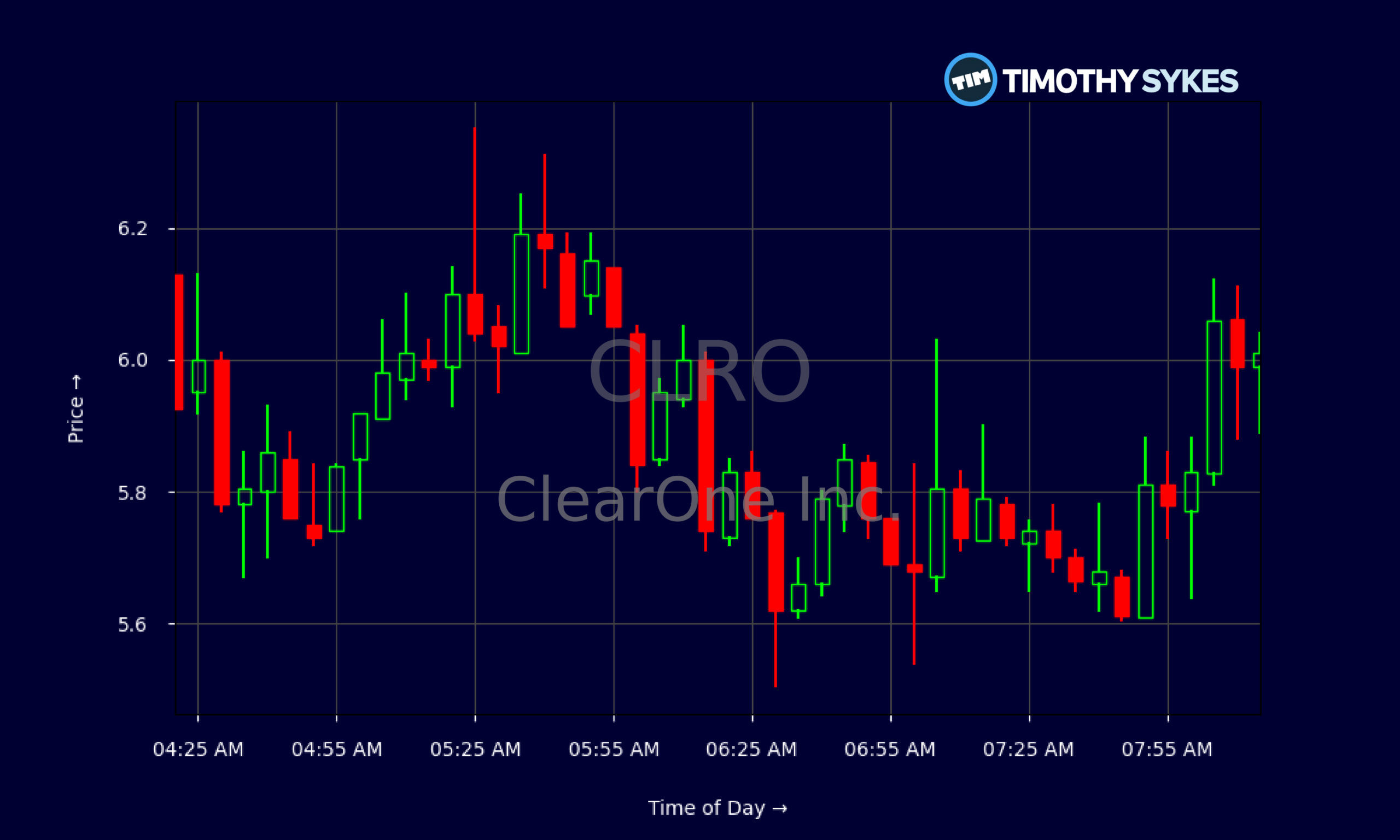
- Recent CLRO intraday action features wide ranges and heavy wicks, signaling aggressive tug-of-war between longs and shorts.
- ClearOne Inc.’s latest quarterly filing shows negative earnings and thin liquidity, so this CLRO spike is driven more by speculation than fundamentals.
- With CLRO equity negative and current debt elevated, disciplined risk management is critical for anyone trading these swings.
Live Update At 08:18:36 EST: On Monday, November 02, 2026 ClearOne Inc. stock [NASDAQ: CLRO] is trending up by 76.25%! Discover the key drivers behind this movement as well as our expert analysis in the detailed breakdown below.
Quick Financial Overview
ClearOne Inc. is trading like a small-cap momentum rocket while its financials tell a very different story. CLRO just logged a quarter with about -$0.34 earnings per share and roughly -$0.9M in net loss. That’s not a rounding error. It’s a serious burn for a company with only about 2.7M shares outstanding and a tiny balance sheet.
On the balance sheet side, CLRO lists around $990,000 in total assets against about $1.37M in total liabilities. That leaves ClearOne Inc. with negative equity near -$381,000. Current liabilities of $929,000 outweigh current assets by a slim margin, leaving working capital of only about $47,000. The quick ratio around 0.1 shows CLRO has very little truly liquid cash to cover near-term needs.
More Breaking News
Cash flow tells the same story. In the last reported quarter, CLRO’s operating cash flow was negative and the company leaned on $500,000 in new short-term debt just to plug the gap. For traders, that means the CLRO chart is flashing momentum, but the fundamentals are fragile. This is exactly the kind of name where charts and risk rules matter more than long-term projections.
Why Traders Are Watching CLRO’s Wild Momentum
CLRO has been on a rollercoaster that short-term traders live for. Just a few sessions ago, ClearOne Inc. was closing around $1.72–$1.92. Then volume poured in and CLRO ripped to highs above $6 before settling in the mid-$3s. That’s a multi-hundred-percent run in barely over a week, with intraday ranges that punish anyone who hesitates.
Look at the daily candles. CLRO went from under $2 to closing at $3.25, then $4.97, then briefly tagged the $6 area before pulling back. These wide, spiky candles tell you exactly what’s happening: shorts getting squeezed, late buyers chasing, and disciplined traders scaling in and out around clear levels. It’s a textbook low-float momentum sequence.
Zoom in to the 5‑minute chart and you see ClearOne Inc. whipping between roughly $5.50 and $6.30 multiple times in a single session. That kind of range offers opportunity, but it punishes poor entries and oversized positions. CLRO is giving big rewards to traders who plan their trades, set tight risk, and don’t marry the stock.
At the same time, the weak CLRO fundamentals add fuel to the volatility. When a company like ClearOne Inc. has negative equity, thin cash, and losses, any sharp move can reverse just as fast as it ran. Momentum traders know this game: ride the wave, but don’t treat CLRO like a safe long-term hold. The edge here comes from speed, discipline, and respecting how quickly sentiment flips.
Conclusion
CLRO is the kind of chart that turns heads inside the trading community. ClearOne Inc. has squeezed from the low $1s into the mid-$5 range in a matter of days, yet the latest filings show negative earnings, negative equity, and heavy reliance on short-term debt. That disconnect is exactly why experienced traders study names like CLRO so closely. The story is in the price action, not in some rosy long-term narrative.
For day traders and swing traders, CLRO is now a live case study in momentum, liquidity, and crowd psychology. ClearOne Inc.’s intraday ranges are wide, the trend is extended, and the fundamentals are shaky. That combination can create massive opportunities and equally massive traps. Traders need a plan before they touch a stock moving this fast.
As Tim Sykes loves to hammer home, “Cut losses quickly; the only thing you can truly control in the market is how much you’re willing to lose.” As millionaire penny stock trader and teacher Tim Sykes says, “It’s better to go home at zero than to go home in the red.”. CLRO is a perfect arena to apply that mindset. Map your levels. Size small enough that a fast wick doesn’t knock you out emotionally. Treat ClearOne Inc. as an educational chart, not a guarantee. For traders who respect risk and study the tape, CLRO offers a real-time lesson in how explosive — and unforgiving — momentum trading can be.
This is stock news, not investment advice. Timothy Sykes News delivers real-time stock market news focused on key catalysts driving short-term price movements. Our content is tailored for active traders and investors seeking to capitalize on rapid price fluctuations, particularly in volatile sectors like penny stocks. Readers come to us for detailed coverage on earnings reports, mergers, FDA approvals, new contracts, and unusual trading volumes that can trigger significant short-term price action. Some users utilize our news to explain sudden stock movements, while others rely on it for diligent research into potential investment opportunities.
Dive deeper into the world of trading with Timothy Sykes, renowned for his expertise in penny stocks. Explore his top picks and discover the strategies that have propelled him to success with these articles:
- Penny Stocks Trading Guide
- Best Penny Stocks Under $1 to Buy Today
- Top 8 Penny Stocks to Watch on Robinhood
Once you’ve got some stocks on watch, elevate your trading game with StocksToTrade the ultimate platform for traders. With specialized tools for swing and day trading, StocksToTrade will guide you through the market’s twists and turns.
Dig into StocksToTrade’s watchlists here:




Leave a reply