

BitMine Immersion Technologies Inc. stocks have been trading down by -5.49 percent following bearish sentiment over its crypto-mining outlook.
Key Takeaways
- BMNR has slid from recent highs near $28 to around $21, signaling a sharp pullback after an extended run.
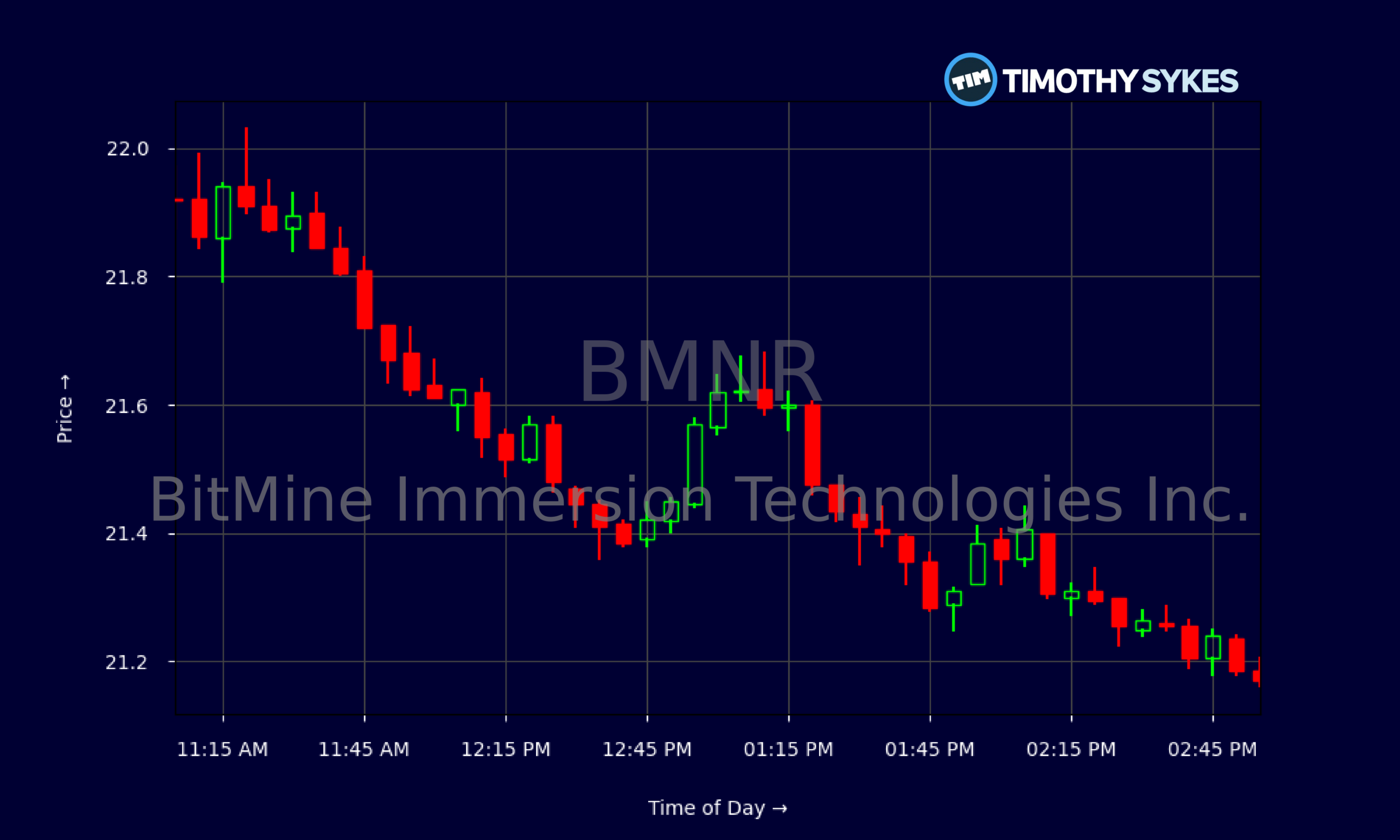
- The intraday BMNR chart shows tight consolidation around $21–$22, hinting at a potential coil before the next big move.
- BitMine Immersion Technologies Inc. reports strong cash and minimal debt, giving BMNR room to operate despite heavy losses.
- BMNR’s sky-high price-to-sales ratio and deep negative margins flag this as a speculative, momentum-driven trading vehicle.
- Active traders are watching BMNR’s support near $21 and the prior $24–$26 zone as key technical battlegrounds.
Live Update At 15:02:20 EDT: On Monday, October 26, 2026 BitMine Immersion Technologies Inc. stock [NYSE: BMNR] is trending down by -5.49%! Discover the key drivers behind this movement as well as our expert analysis in the detailed breakdown below.
Quick Financial Overview
BMNR, the ticker for BitMine Immersion Technologies Inc., trades like a rollercoaster built on early-stage numbers. Revenue sits around $6.1M, but BMNR carries an enterprise value near $13.17B. That’s a price-to-sales ratio over 200, which tells traders the market is paying a huge premium for future potential, not current profits.
On the income side, BitMine Immersion Technologies Inc. is deep in the red. BMNR’s profit margins run sharply negative, and returns on assets and equity are also heavily negative. In plain terms, BMNR loses a lot of money for every dollar of sales right now.
More Breaking News
The balance sheet is the bright spot. BMNR shows roughly $340M in cash, almost no debt, and a current ratio above 30. That means BitMine Immersion Technologies Inc. has a long liquidity runway to keep funding operations and growth. For traders, this mix — big losses, big cash, and a big valuation — usually means one thing: BMNR will trade on sentiment, momentum, and headlines, not on classic value metrics.
Why Traders Are Watching BMNR Price Action
BMNR has been fading for weeks. Earlier in the month, BitMine Immersion Technologies Inc. was changing hands near $27–$28. Now BMNR is printing closes just above $21. That’s roughly a 20%+ drawdown in a short window, a classic momentum unwind after a hot run.
Look at the daily chart: BMNR topped around 27.56 on 2026/10/02 and has been putting in lower highs and lower closes since. Each bounce has been weaker. The stock slipped from the mid-$20s into the low $20s, with BMNR finishing the latest session at 21.17. For short-term traders, that’s a clear downtrend until BMNR proves otherwise.
Zoom into the intraday 5‑minute action and the story tightens. BMNR mostly chopped between 21.15 and 21.70, with tiny candles and narrow ranges. That kind of grind on BitMine Immersion Technologies Inc. often signals consolidation after a selloff — either a bear flag that breaks lower, or a base before a relief bounce. Volume and range will tell the next chapter.
Under the hood, BMNR’s fundamentals are aggressive. BitMine Immersion Technologies Inc. reported about $46.5M in quarterly revenue, yet still posted a net loss of roughly $83.6M. Gross margins look high, but operating expenses and other charges swamp them. For traders, that makes BMNR a pure sentiment play: sharp spikes on good vibes, sharp dumps when the mood turns.
This is exactly the setup momentum traders in BMNR like to stalk — strong moves, big swings, and clear technical levels to trade against.
Conclusion
BitMine Immersion Technologies Inc., trading under BMNR, sits at an interesting crossroads. The stock has strong liquidity and a nearly debt-free balance sheet, yet BitMine Immersion Technologies Inc. continues to burn cash and post heavy losses. BMNR’s extreme price-to-sales and negative returns tell traders this is not a steady compounder; it is a speculative, story-driven chart.
Technically, BMNR is testing a key area. The $21 zone has acted as a short-term floor on the daily chart, while the $23–$24 band above is the first real resistance from recent sessions. If BMNR cracks convincingly below $21 with range expansion, traders may see a new leg down as weak hands bail. If BMNR reclaims and holds above $23, BitMine Immersion Technologies Inc. could squeeze shorts who chased late in the downtrend.
The playbook here is discipline. BMNR rewards traders who respect risk and punishes anyone who marries a bias. As Tim Sykes loves to remind his students, “The market doesn’t owe you anything — your only edge is preparation and the discipline to cut losses fast.” As millionaire penny stock trader and teacher Tim Sykes, says, “Embrace the journey, the ups and downs; each mistake is a lesson to improve your strategy.”. With a volatile ticker like BMNR, that mindset is not optional; it is survival. This article is for educational and research purposes only and is not investment advice.
This is stock news, not investment advice. Timothy Sykes News delivers real-time stock market news focused on key catalysts driving short-term price movements. Our content is tailored for active traders and investors seeking to capitalize on rapid price fluctuations, particularly in volatile sectors like penny stocks. Readers come to us for detailed coverage on earnings reports, mergers, FDA approvals, new contracts, and unusual trading volumes that can trigger significant short-term price action. Some users utilize our news to explain sudden stock movements, while others rely on it for diligent research into potential investment opportunities.
Dive deeper into the world of trading with Timothy Sykes, renowned for his expertise in penny stocks. Explore his top picks and discover the strategies that have propelled him to success with these articles:
- Penny Stocks Trading Guide
- Best Penny Stocks Under $1 to Buy Today
- Top 8 Penny Stocks to Watch on Robinhood
Once you’ve got some stocks on watch, elevate your trading game with StocksToTrade the ultimate platform for traders. With specialized tools for swing and day trading, StocksToTrade will guide you through the market’s twists and turns.
Dig into StocksToTrade’s watchlists here:





Leave a reply