
Advanced Micro Devices Inc. stocks have been trading up by 4.11 percent amid strong AI chip demand and bullish analyst upgrades.
Key Takeaways For AMD Traders
- Q2 2026 revenue jumped to $11.5B, up 50% year over year, with Data Center sales up 107% to $6.7B and Q3 guided to about $13B on strong AI demand.
- Major banks including BNP Paribas, Citi, Stifel, Arete, and Mizuho raised AMD targets, some up to $960, with consensus Buy ratings and average targets in the mid‑$600s.
- Wall Street is leaning on “agentic AI” and always‑on personal AI agents as key growth engines for AMD, with Meta flagged as a major demand driver.
- New Helion and Helios rack‑scale AI blueprints plus nVent cooling aim to lock AMD into hyperscale and enterprise AI build‑outs.
- CEO Lisa Su is securing long‑term AI chip supply with Foxconn, TSMC, Samsung, SK Hynix, and Korean AI partners as AMD ramps capacity.
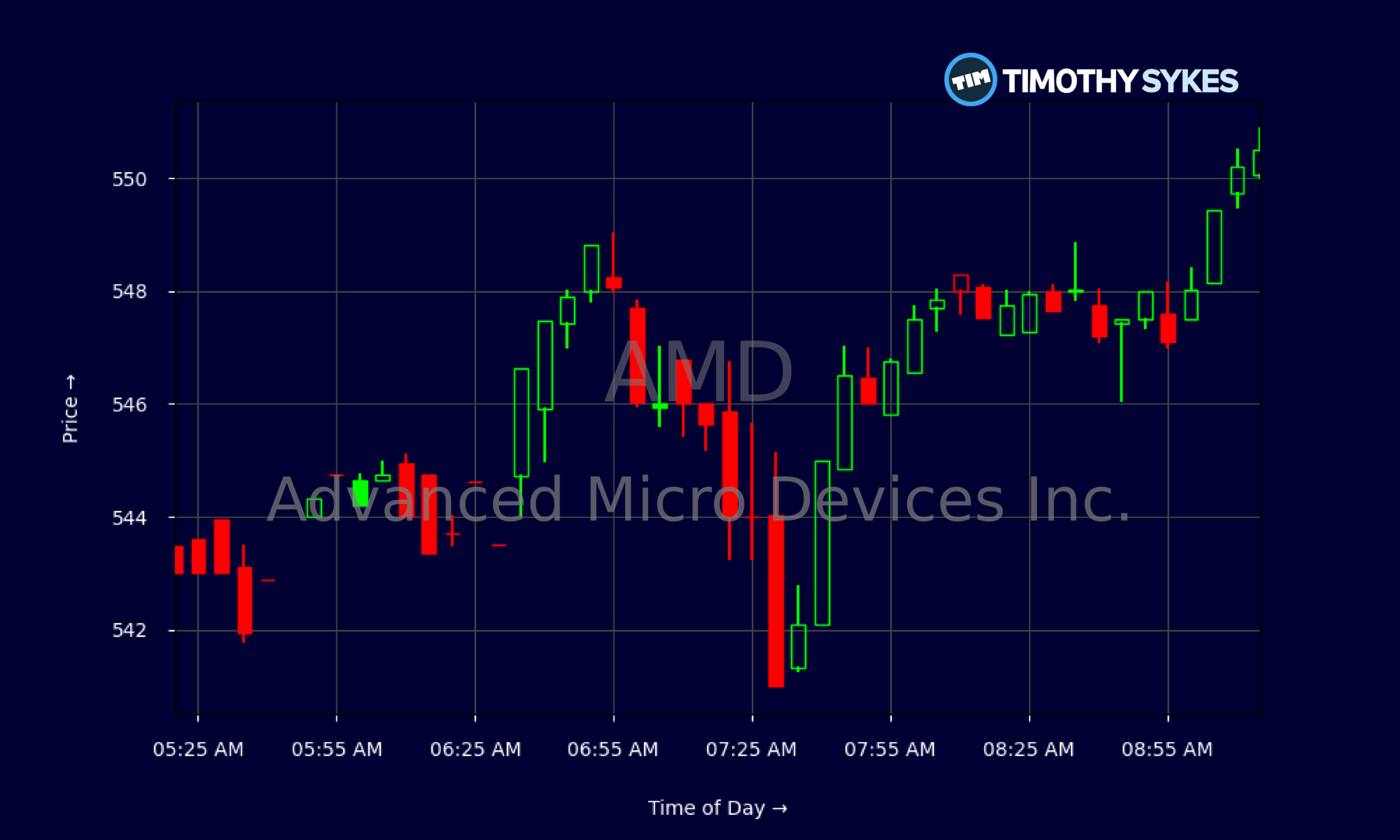
Live Update At 09:19:06 EDT: On Monday, October 19, 2026 Advanced Micro Devices Inc. stock [NASDAQ: AMD] is trending up by 4.11%! Discover the key drivers behind this movement as well as our expert analysis in the detailed breakdown below.
Quick Financial Overview
Advanced Micro Devices is trading like a pure AI momentum name, and the numbers back it up. In Q2 2026, AMD posted revenue of $11.5B, up 50% year over year. The headline, though, is Data Center revenue at $6.7B, up 107%. That tells traders where the real engine is: AI accelerators and EPYC‑driven cloud infrastructure.
Guidance for Q3 around $13B shows AMD expects this AI cycle to keep running hot. Profitability is solid, with gross margin at 53.2% and EBIT margin near 18.8%, while net margins in the mid‑teens help support AMD’s lofty price‑to‑earnings ratio above 150. The valuation is rich, but that is typical in a high‑growth AI story.
More Breaking News
On the chart, AMD has pulled back from the mid‑$600s to the high‑$520s over the last several sessions, after a run where closes near $645–$650 were common. That pullback, combined with premarket trading above $540, shows active, two‑sided action. For short‑term AMD traders, this is a classic high‑beta leader: extended, volatile, but still riding powerful fundamental tailwinds.
Why Traders Are Watching AMD’s AI Rack Offensive
The real story around AMD right now is not just chips; it is full AI racks. AMD rolled out its Helion agentic AI rack and expanded the Helios rack‑scale solution, both built on open OCP standards. These blueprints combine EPYC CPUs and Instinct GPUs in flexible, liquid‑ or air‑cooled designs aimed straight at hyperscalers and large enterprises. For traders, that matters because it shifts AMD from a component supplier toward a systems‑level player, right where Nvidia has dominated.
To make these dense AI racks practical, AMD is integrating nVent’s rear‑door heat exchanger and rack‑level cooling tech. That is not a flashy headline, but it is critical. High‑density AI clusters are limited by power and heat. When AMD pairs its compute with advanced cooling in a modular, open architecture, it gives cloud customers an alternative to more closed, proprietary stacks.
Wall Street is noticing. Mizuho hiked its AMD price target to $705, pointing to accelerating demand from agentic AI applications like Meta’s Muse and OpenAI’s Dots. Citi went even further, lifting its target to $800 and calling out a 2030 CPU market of roughly $300B driven by always‑on personal AI agents. BNP Paribas pushed to $960, the high end of the current range, while Stifel and Arete nudged targets into the $600–$700 zone.
This cluster of target hikes, all tied to specific AI workloads and rack‑scale deployments, helps explain why AMD shares pop on any AI capacity or product headline. For momentum traders, AMD remains one of the clearest liquid proxies for the build‑out of next‑gen AI infrastructure.
Conclusion
For active traders, the current AMD setup is a mix of powerful growth, aggressive expectations, and real volatility. The company is guiding revenue higher on the back of a 107% surge in Data Center sales, while building full‑stack Helion and Helios solutions that tackle compute and cooling together. At the same time, AMD is moving to substantially increase AI chip supply, with CEO Lisa Su in Taiwan and South Korea locking in capacity with Foxconn, TSMC, Samsung, SK Hynix, and local AI chipmakers.
Analysts are chasing the story upward. Citi’s $800 target, Mizuho’s $705, Stifel’s $700, Arete’s $612, and BNP Paribas at $960 all lean on the idea that AMD will capture a meaningful slice of a much larger AI and CPU market by 2030. Yet AMD’s valuation already bakes in a lot of success, and reports of 15%–20% CPU price hikes plus profit‑taking flows at firms like Schwab show that not everyone wants to chase every spike.
For traders, the playbook is clear: respect the uptrend, but manage risk tightly. As Tim Sykes likes to say, “The best traders aren’t the ones who nail every trade, they’re the ones who cut losses fast and protect their capital so they can strike when the odds line up.” As millionaire penny stock trader and teacher Tim Sykes, says, “Preparation plus patience leads to big profits.” With AMD, the AI narrative is strong, but disciplined trading will matter more than ever.
This is stock news, not investment advice. Timothy Sykes News delivers real-time stock market news focused on key catalysts driving short-term price movements. Our content is tailored for active traders and investors seeking to capitalize on rapid price fluctuations, particularly in volatile sectors like penny stocks. Readers come to us for detailed coverage on earnings reports, mergers, FDA approvals, new contracts, and unusual trading volumes that can trigger significant short-term price action. Some users utilize our news to explain sudden stock movements, while others rely on it for diligent research into potential investment opportunities.
Dive deeper into the world of trading with Timothy Sykes, renowned for his expertise in penny stocks. Explore his top picks and discover the strategies that have propelled him to success with these articles:
- Penny Stocks Trading Guide
- Best Penny Stocks Under $1 to Buy Today
- Top 8 Penny Stocks to Watch on Robinhood
Once you’ve got some stocks on watch, elevate your trading game with StocksToTrade the ultimate platform for traders. With specialized tools for swing and day trading, StocksToTrade will guide you through the market’s twists and turns.
Dig into StocksToTrade’s watchlists here:





Leave a reply