

Grab Holdings Limited stocks have been trading up by 7.93 percent amid upbeat news on regional super-app expansion prospects.
Key Takeaways For GRAB Traders
- Barclays cut its price target on Grab Holdings from $5 to $4 but kept an Overweight rating, pointing to solid Q3 fundamentals despite rising fuel costs and tougher macro conditions.
- JPMorgan lowered its GRAB price target from $5.90 to $4.80 while reiterating an Overweight stance, showing ongoing conviction even as expectations reset.
- Street-wide, GRAB still carries an average Buy rating with a mean target of $6.04, well above current trading levels.
- The company is expanding its ecosystem with a 60% stake in Advance Intelligence’s digital finance arm for $1.49B and a $600M deal for Delivery Hero’s Taiwan food delivery assets.
- Taiwan’s Fair Trade Commission blocked GRAB’s planned Foodpanda Taiwan acquisition, and management says the capital will now support its existing Southeast Asia growth roadmap.
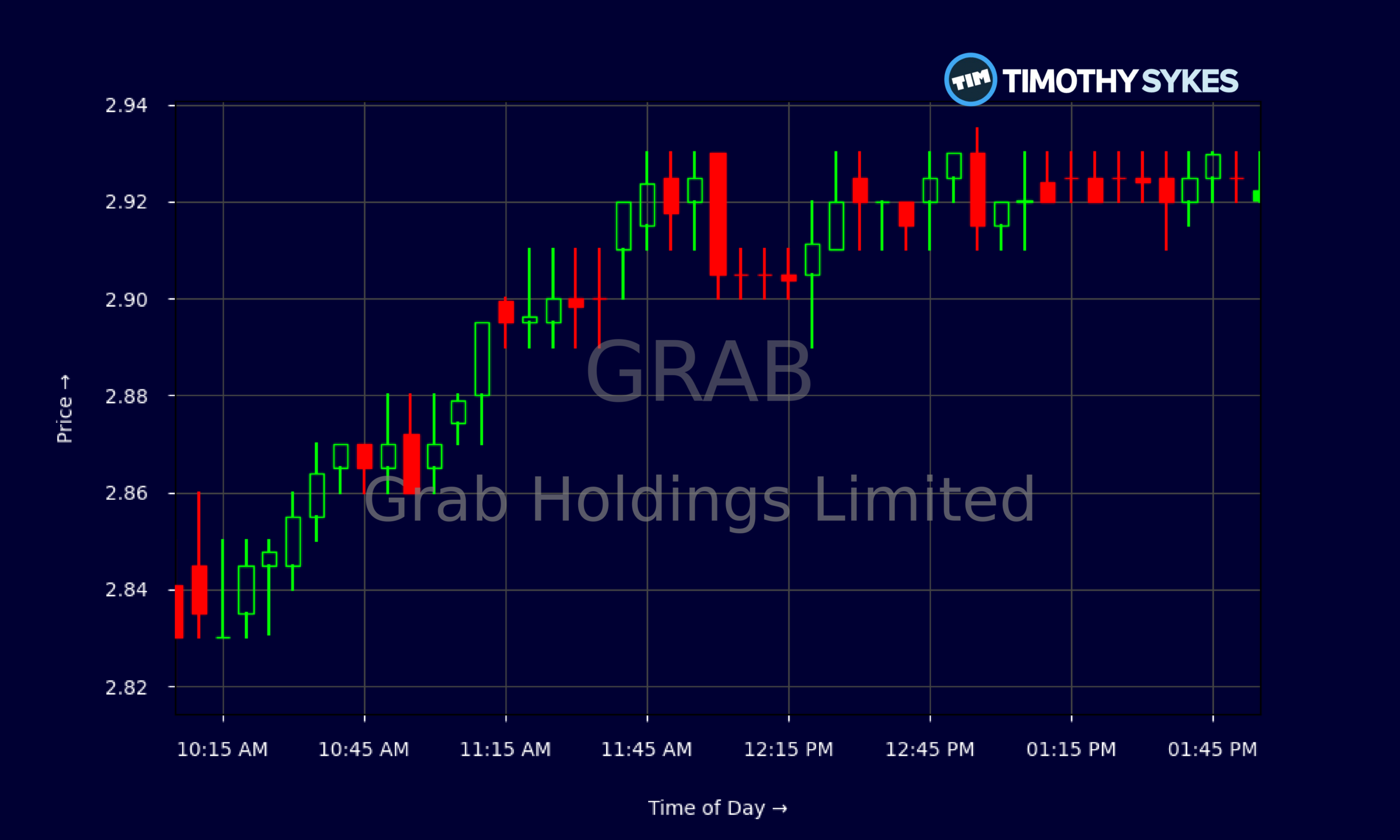
Live Update At 14:02:22 EST: On Monday, November 02, 2026 Grab Holdings Limited stock [NASDAQ: GRAB] is trending up by 7.93%! Discover the key drivers behind this movement as well as our expert analysis in the detailed breakdown below.
Quick Financial Overview
GRAB has been grinding in a tight range, and the chart shows it. Over the last few weeks, Grab Holdings has slipped from the low $3s to the high $2s, with recent daily closes mostly between $2.71 and $3.00. The most recent close near $2.92 keeps GRAB just under that psychological $3 line that traders watch as short-term resistance.
Intraday, the 5‑minute tape is almost flatlined between $2.75 and $2.93. That tells traders liquidity is there, but emotion is not. GRAB is trading like a name in consolidation, not a momentum rocket or a falling knife.
More Breaking News
On the fundamentals, GRAB booked about $3.37B in revenue, yet key profitability ratios still show red. Return on assets at roughly -15.9% and return on equity around -24.4% tell you the company is still in “spend to scale” mode. At the same time, the balance sheet looks relatively cushioned, with about $6.80B in cash and short‑term investments against total liabilities of roughly $5.23B. For traders, that mix means the story is growth and operating leverage, not balance‑sheet survival.
Why Traders Are Watching GRAB Right Now
For active traders, GRAB is one of those names where the story and the chart need to be read together. On the story side, the big theme is analyst recalibration, not abandonment. Barclays has cut its GRAB price target from $5 to $4, yet it stuck with an Overweight rating and highlighted strong core business performance and solid Q3 fundamentals despite fuel cost headwinds. That’s not a bearish call. It’s a reset on how far and how fast the stock might run.
JPMorgan followed a similar script, trimming its GRAB target from $5.90 to $4.80 while reiterating Overweight. When two major houses both lower numbers but keep bullish ratings, traders should recognize a pattern: macro and sector multiples are getting marked down, but the GRAB thesis is intact. Add in that the broader analyst community still sits at an average Buy with a mean target of $6.04, and you have a Street view that still implies meaningful upside from the high‑$2 area.
At the same time, GRAB is not just sitting still. Management is using its cash to push the ecosystem deeper. The company agreed to buy 60% of Advance Intelligence’s digital financial services platform for $1.49B, signaling that Grab Holdings is serious about fintech and credit in Southeast Asia. GRAB also lined up a $600M deal for Delivery Hero’s Taiwanese food delivery operations, trying to widen its food‑delivery footprint.
That said, the Taiwan piece has already hit a wall. Regulators there blocked GRAB’s planned Foodpanda Taiwan acquisition. For traders, that’s a reminder that cross‑border growth can be messy, and news risk is real. Management says the capital once aimed at Taiwan will be pushed back into core Southeast Asia, where GRAB’s ride‑hailing, delivery, and financial services machine is already scaled. That pivot keeps the long‑term growth drumbeat going, even as one expansion door closes.
Conclusion
Right now, GRAB is trading like a coiled spring near $2.90, backed by a mixed but constructive backdrop. The chart shows consolidation under $3, while the Street still talks about price targets from $4 up to a consensus near $6.04. Analyst cuts from Barclays and JPMorgan look more like housekeeping than a vote of no confidence in Grab Holdings. For traders who live on volatility, that kind of disconnect between current price and forward targets can create opportunity, but only if you respect risk. As millionaire penny stock trader and teacher Tim Sykes says, “It’s not about how much money you make; it’s about how much money you keep.” That mindset is crucial here, because no matter how attractive the upside looks on paper, disciplined trade management and capital preservation have to come first.
On the business side, GRAB is still spending big to build its ecosystem with the Advance Intelligence fintech deal and the attempted Taiwan expansion. The blocked Foodpanda Taiwan deal exposes real regulatory risk, yet it also frees capital to reinforce GRAB’s existing Southeast Asia roadmap. With billions in cash on the balance sheet and negative but improving returns, the name remains a growth‑heavy, profit‑later story that trend traders and swing traders watch closely.
As Tim Sykes likes to remind his community, “Patterns repeat, but only traders who cut losses quickly and stick to their trading plans last long enough to see them.” GRAB fits that mantra well. The setup here demands a clear plan, tight risk management, and respect for both the bullish analyst support and the regulatory and execution risks that still hang over the story.
This is stock news, not investment advice. Timothy Sykes News delivers real-time stock market news focused on key catalysts driving short-term price movements. Our content is tailored for active traders and investors seeking to capitalize on rapid price fluctuations, particularly in volatile sectors like penny stocks. Readers come to us for detailed coverage on earnings reports, mergers, FDA approvals, new contracts, and unusual trading volumes that can trigger significant short-term price action. Some users utilize our news to explain sudden stock movements, while others rely on it for diligent research into potential investment opportunities.
Dive deeper into the world of trading with Timothy Sykes, renowned for his expertise in penny stocks. Explore his top picks and discover the strategies that have propelled him to success with these articles:
- Penny Stocks Trading Guide
- Best Penny Stocks Under $1 to Buy Today
- Top 8 Penny Stocks to Watch on Robinhood
Once you’ve got some stocks on watch, elevate your trading game with StocksToTrade the ultimate platform for traders. With specialized tools for swing and day trading, StocksToTrade will guide you through the market’s twists and turns.
Dig into StocksToTrade’s watchlists here:





Leave a reply