
Tower Semiconductor Ltd. stocks have been trading up by 7.8 percent following bullish sentiment from strong growth and partnership news.
Key Takeaways
- Expanded Semtech deal gives Tower Semiconductor long-term, dedicated SiGe capacity tied directly to AI data-center optical and copper interconnect demand across U.S., Israel, and Japan fabs.
- Semtech is committing capital to secure silicon germanium capacity at TSEM, signaling confidence in Tower Semiconductor’s specialty foundry model and AI-focused product pipeline.
- The new agreement extends a 20-year Tower–Semtech partnership, reinforcing recurring demand for AI data-center interconnect components built on TSEM processes.
- Separately, Tower Semiconductor set the date and logistics for its Q3 2026 earnings call, where TSEM will share Q4 guidance but no early numbers or outlook changes yet.
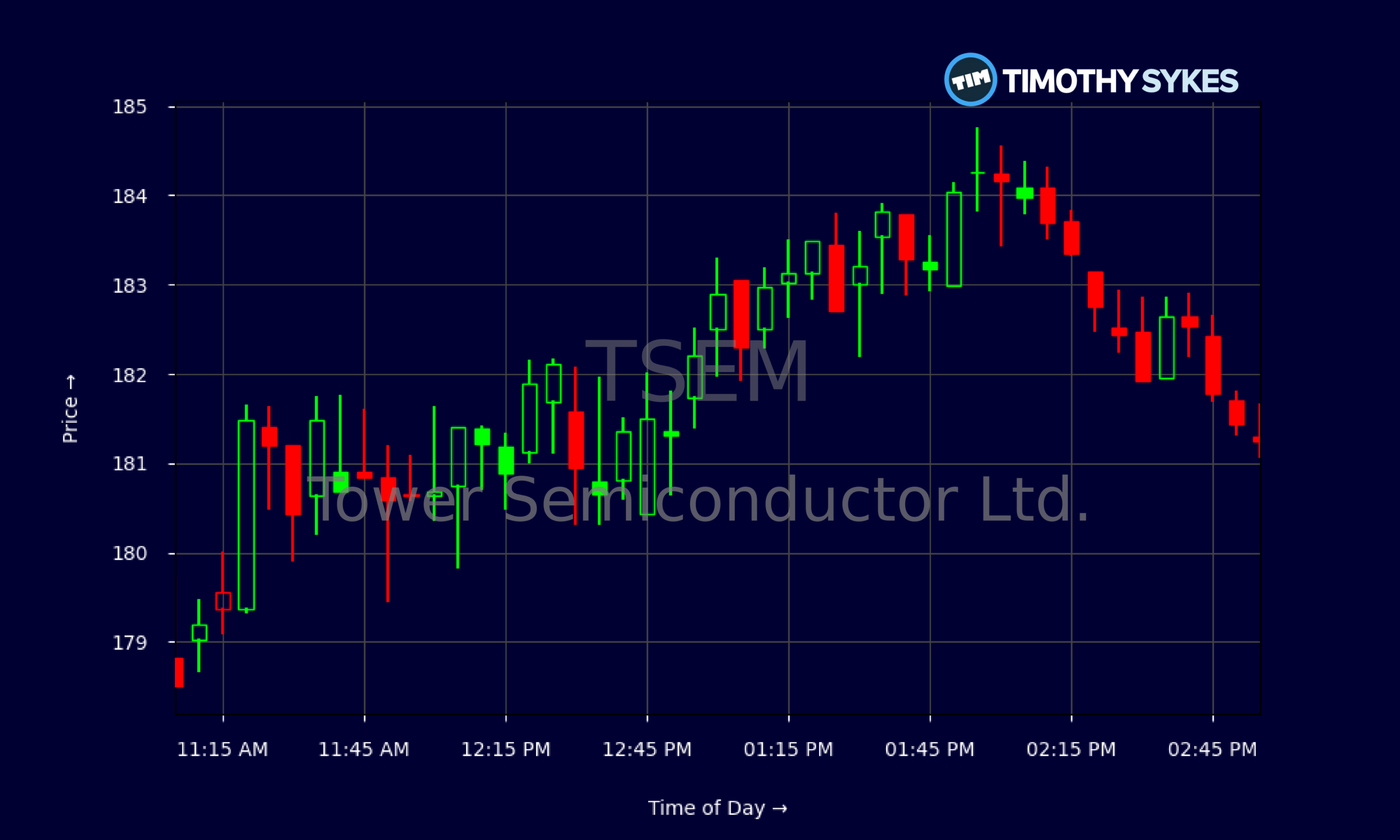
Live Update At 15:02:27 EDT: On Monday, October 26, 2026 Tower Semiconductor Ltd. stock [NASDAQ: TSEM] is trending up by 7.8%! Discover the key drivers behind this movement as well as our expert analysis in the detailed breakdown below.
Quick Financial Overview
TSEM has been trading like a classic momentum name that just lost some altitude. Over recent sessions, Tower Semiconductor slid from the mid‑$240s to about $180.63, a sharp reset that wiped out a big chunk of recent gains. That puts TSEM well below its recent highs near $268, showing traders have already taken profits aggressively.
On the intraday tape, Tower Semiconductor spent most of the latest session grinding between roughly $170 and $184, with the close sitting near the top of that range. For active traders, that intraday higher drift from morning lows to afternoon highs signals dip buyers quietly stepping back in.
More Breaking News
Fundamentally, TSEM is not a cheap deep‑value story. With revenue around $1.57B and a price‑to‑sales ratio near 16.5, the market is paying up for Tower Semiconductor’s analog and specialty foundry niche. Book value per share sits near 25.83, while the stock trades at a hefty multiple of that, reflecting expectations of durable growth. Leverage looks manageable, with long‑term debt of only about $133.4M against total assets of roughly $3.32B and equity close to $2.92B. For traders, that balance sheet gives TSEM room to ride cyclical swings without distress.
Why Traders Are Watching TSEM After The Semtech Deal
TSEM just gave traders a fresh AI angle to watch. Tower Semiconductor expanded its multi‑year manufacturing agreement with Semtech, and this is not a token PR line. Semtech is putting real money on the table to secure dedicated silicon germanium (SiGe) capacity at TSEM across fabs in the U.S., Israel, and Japan.
That dedicated capacity is aimed squarely at AI data‑center optical and copper interconnects. In simple terms, when big AI servers talk to each other at high speed, they need ultra‑fast links. Semtech’s components power those links, and Tower Semiconductor will be the foundry cranking them out. For TSEM, that means more predictable fab loading and visibility into future wafer volumes.
The fact that Semtech is locking in SiGe capacity at multiple Tower Semiconductor sites suggests this isn’t a one‑off run; it’s a strategic pipeline. TSEM also highlighted that this builds on a 20‑year relationship with Semtech. Long history, plus new capital commitments, usually means sticky demand. Traders look for that in cyclical sectors, because it can smooth revenue when other pockets of the semi market cool.
Another key detail: this deal spans both optical and copper interconnects in AI data centers. That broadens TSEM’s exposure inside the AI infrastructure stack, not just in one tiny niche. Tower Semiconductor is effectively tying part of its global footprint to a secular AI traffic surge rather than consumer gadgets alone.
For momentum traders, TSEM now sits in an interesting spot: a high‑valuation specialty foundry that just booked long‑term AI‑linked demand after a steep price pullback. That mix often fuels sharp trading swings, both up and down, as the market reprices the story.
Conclusion
For TSEM, the expanded Semtech agreement is about more than a press release. Tower Semiconductor is turning its specialty SiGe know‑how into contracted, dedicated capacity that tracks one of the strongest trends in tech today: AI data‑center build‑outs. By reserving SiGe lines across U.S., Israel, and Japan fabs, TSEM is effectively pre‑selling a chunk of its future production to a long‑time partner.
The upcoming Q3 2026 earnings call, where Tower Semiconductor will share Q4 guidance, becomes the next checkpoint. Traders will be watching for any early color on how fast that Semtech demand ramps, how much fab utilization improves, and what that means for margins at TSEM. The company has not changed its outlook yet, so the real numbers are still a catalyst waiting to happen.
Tower Semiconductor’s rich valuation, strong equity base, and light long‑term debt leave room for the market to reward real execution. But as always, active traders need a plan. As millionaire penny stock trader and teacher Tim Sykes, says, “There is always another play around the corner; don’t chase just because you feel FOMO.”. In the words of Tim Sykes, “Cut losses quickly, because big potential winners like TSEM only matter if you protect your downside first.” For those tracking AI‑linked specialty foundries, Tower Semiconductor now sits firmly on the watchlist—for educational and research purposes, not as a buy signal.
This is stock news, not investment advice. Timothy Sykes News delivers real-time stock market news focused on key catalysts driving short-term price movements. Our content is tailored for active traders and investors seeking to capitalize on rapid price fluctuations, particularly in volatile sectors like penny stocks. Readers come to us for detailed coverage on earnings reports, mergers, FDA approvals, new contracts, and unusual trading volumes that can trigger significant short-term price action. Some users utilize our news to explain sudden stock movements, while others rely on it for diligent research into potential investment opportunities.
Dive deeper into the world of trading with Timothy Sykes, renowned for his expertise in penny stocks. Explore his top picks and discover the strategies that have propelled him to success with these articles:
- Penny Stocks Trading Guide
- Best Penny Stocks Under $1 to Buy Today
- Top 8 Penny Stocks to Watch on Robinhood
Once you’ve got some stocks on watch, elevate your trading game with StocksToTrade the ultimate platform for traders. With specialized tools for swing and day trading, StocksToTrade will guide you through the market’s twists and turns.
Dig into StocksToTrade’s watchlists here:





Leave a reply