
TeraWulf Inc. faces heightened downside risk as regulatory and operational concerns pressure investor sentiment, with stocks trading down by -7.49 percent.
Key Takeaways
- GPU data-center names, including TeraWulf, have pushed higher alongside peers in the AI infrastructure trade.
- Neocloud and operators such as Nebius, IREN, Applied Digital, TeraWulf, and CoreWeave all logged recent share gains.
- Elon Musk warned debt markets have “almost entirely shut off” to AI data centers without strong non-AI revenue streams.
- Morgan Stanley flagged financing and capacity-deployment uncertainty for CoreWeave, a signal of broader funding pressure that also hangs over TeraWulf and similar GPU-heavy players.
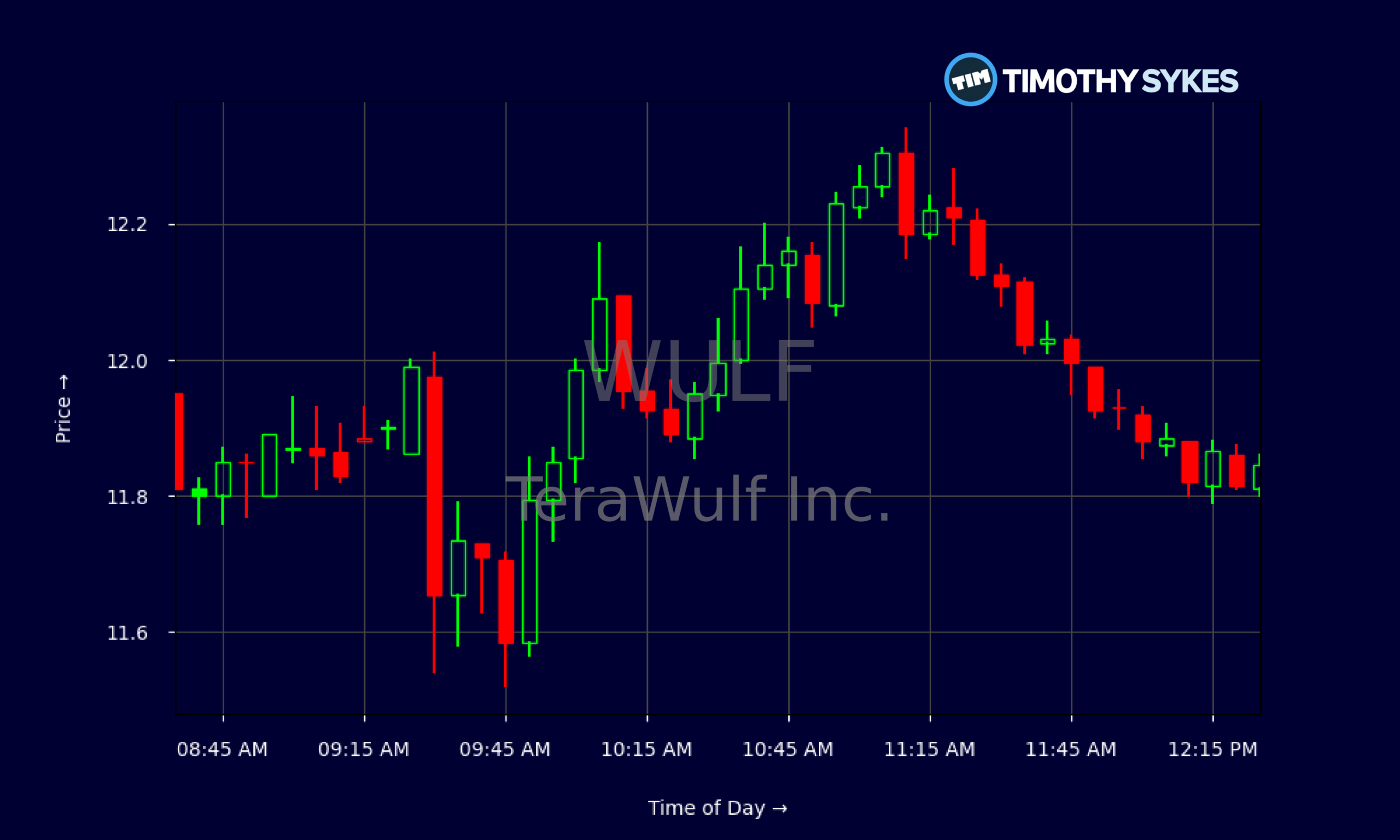
Live Update At 12:32:18 EDT: On Friday, October 30, 2026 TeraWulf Inc. stock [NASDAQ: WULF] is trending down by -7.49%! Discover the key drivers behind this movement as well as our expert analysis in the detailed breakdown below.
Quick Financial Overview
WULF has been trading like a classic high-beta AI story. Over the last couple of weeks, TeraWulf shares have swung from a high near $15 down toward the low $11 area. That’s a roughly 20% pullback from the top, even though WULF is still up sharply versus prior quarters.
On the daily chart, WULF shows fast, tradable moves. The most recent close around $11.80 came after a red day following multiple sessions failing near $13–$14. That tells traders the current battle zone is in the low teens, with $11 acting as short-term support and the $13–$14 band as resistance.
More Breaking News
Intraday, WULF has been grinding in a tight channel between about $11.80 and $12.20. That compression often sets up a bigger move, up or down, once volume returns. Under the hood, TeraWulf is still a heavy cash-burn story. Quarterly revenue is about $44.8M, but WULF booked roughly -$939.9M in net losses and free cash flow near -$992.3M. The balance sheet shows about $2.62B in cash and short-term investments, but also roughly $4.02B in long-term debt and more than $1.19B in current debt. For traders, WULF is a volatility vehicle tied to AI and Bitcoin-style cycles, not a stable cash machine.
Why Traders Are Watching WULF’s AI Data Center Story
The latest news lumped TeraWulf in with a powerful theme: GPU data-center operators riding the AI wave. Names like Neocloud, Nebius, IREN, Applied Digital, TeraWulf, and CoreWeave all saw share gains. When a whole group moves together, momentum traders pay attention. WULF fits neatly into that AI infrastructure basket, and that narrative alone can attract volume.
But there’s a catch. Elon Musk warned that debt markets have “almost entirely shut off” for AI data centers that don’t have serious non-AI revenue. That matters for WULF because its financials already scream capital intensity and funding needs. TeraWulf shows big negative operating cash flow and nearly $1B in free cash flow burn in the latest quarter. The company also leans heavily on equity and debt financing to build out its GPU and data-center footprint.
Morgan Stanley called out financing and capacity-deployment uncertainty for CoreWeave, another GPU-focused operator. Traders should read that as a sector-wide warning, not a one-off comment. If lenders and bond desks are stepping back, raising cash gets harder and more expensive for everyone in this lane, including WULF. That tension between share-price strength and funding risk is exactly where short-term trading edges appear.
For day traders and swing traders, WULF sits at the crossroads of hype and hard math. The AI and high-performance-computing story is hot. The balance sheet says the clock is ticking.
Conclusion
TeraWulf is giving traders the kind of setup they love: strong story, sharp moves, and clear risk lines. WULF is riding the same GPU data-center enthusiasm that lifted Neocloud, Nebius, IREN, Applied Digital, and CoreWeave. At the same time, the company’s numbers show massive losses, heavy capex, and real dependence on outside capital. With Musk warning about debt markets drying up for AI data centers and Morgan Stanley flagging financing uncertainty for CoreWeave, traders have to assume that WULF is fighting in the same tough arena.
From a technical angle, WULF’s range between roughly $11 support and $13–$14 resistance offers defined levels for both breakout and fade strategies. If volume spikes and WULF pushes through that upper band, momentum traders will likely crowd in. If support cracks on bad funding headlines, panic selling can be just as fast.
The key is discipline. As Tim Sykes loves to remind his students, “cut losses quickly, because holding and hoping is not a strategy — it’s how traders blow up.” That message lines up with another of his trading principles: As millionaire penny stock trader and teacher Tim Sykes, says, “It’s better to go home at zero than to go home in the red.”. For anyone trading WULF, that mindset matters. The AI data-center story may stay hot, but the numbers say risk management comes first. This analysis is for educational and research purposes only and is not investment advice.
This is stock news, not investment advice. Timothy Sykes News delivers real-time stock market news focused on key catalysts driving short-term price movements. Our content is tailored for active traders and investors seeking to capitalize on rapid price fluctuations, particularly in volatile sectors like penny stocks. Readers come to us for detailed coverage on earnings reports, mergers, FDA approvals, new contracts, and unusual trading volumes that can trigger significant short-term price action. Some users utilize our news to explain sudden stock movements, while others rely on it for diligent research into potential investment opportunities.
Dive deeper into the world of trading with Timothy Sykes, renowned for his expertise in penny stocks. Explore his top picks and discover the strategies that have propelled him to success with these articles:
- Penny Stocks Trading Guide
- Best Penny Stocks Under $1 to Buy Today
- Top 8 Penny Stocks to Watch on Robinhood
Once you’ve got some stocks on watch, elevate your trading game with StocksToTrade the ultimate platform for traders. With specialized tools for swing and day trading, StocksToTrade will guide you through the market’s twists and turns.
Dig into StocksToTrade’s watchlists here:





Leave a reply