

Snap Inc. stocks have been trading down by -6.88 percent amid heightened concerns over slowing digital ad demand and competition.
Key Takeaways
- UBS shifted its stance around a $5.70–$7 price-target band, most recently lifting the target back to $7 but keeping SNAP at Neutral as advertiser prioritization remains a problem.
- Evercore’s “negative” ad channel checks point to weaker near-term ad trends and softer agency budgets for SNAP’s platform.
- A U.S. appeals court let Florida enforce a law barring kids under 14 from Snapchat-style apps, heightening long-term regulatory risk.
- A Form 144 filing flags an insider’s planned SNAP share sale, adding potential supply pressure in the market.
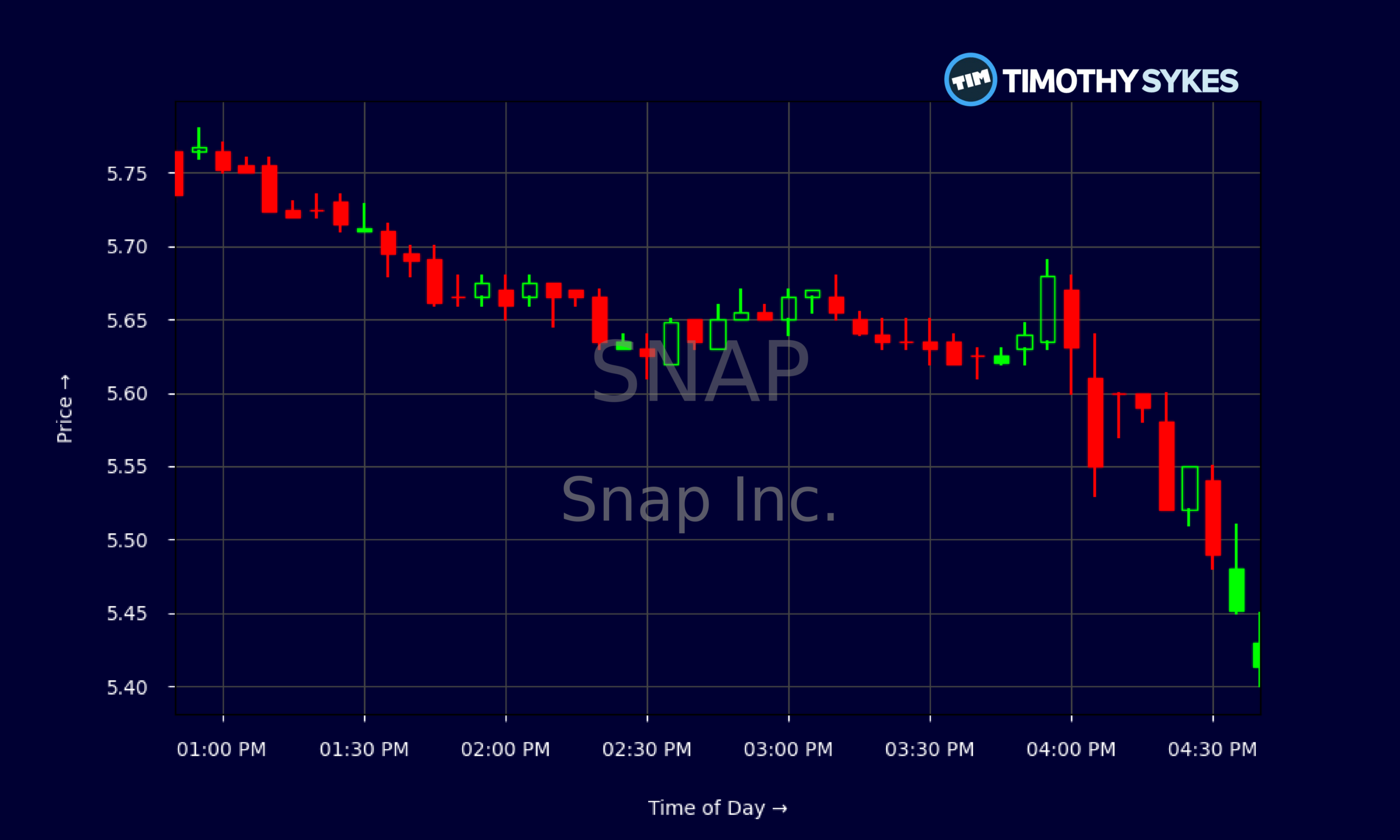
Live Update At 16:46:58 EDT: On Thursday, October 29, 2026 Snap Inc. stock [NYSE: SNAP] is trending down by -6.88%! Discover the key drivers behind this movement as well as our expert analysis in the detailed breakdown below.
Quick Financial Overview
SNAP is trading in the mid-$5 range and has clearly lost momentum over the past few sessions. The recent daily chart shows the stock fading from the $6.30–$6.40 area down toward a $5.60–$5.70 close, signaling steady selling pressure rather than a one-off flush. For short-term traders, that looks like a broken near-term uptrend.
Intraday, SNAP spent most of the session chopping between roughly $5.60 and $5.85, with tight five‑minute candles and no strong reclaim of the morning highs. That intraday action tells traders that dip buyers are present but not aggressive. SNAP could be in the early stages of a consolidation or a slow grind lower.
More Breaking News
Fundamentally, Snap Inc. posted about $5.93B in trailing revenue with a strong 78.4% gross margin, but it is still losing money. Recent quarterly numbers show roughly $1.60B in revenue and a net loss of around $164M, with EBITDA also negative. SNAP does have solid liquidity, with a current ratio near 2.9 and over $2.65B in cash and short-term investments, but it carries more than $3.38B in long-term debt and a debt-to-equity ratio above 2. That mix supports ongoing operations but keeps pressure on management to improve ad monetization and move toward sustainable profitability.
Why Traders Are Watching SNAP Now
SNAP is sitting right at the crossroads of mixed Wall Street sentiment, real business headwinds, and fresh regulatory risk. UBS recently moved its price target in a tight $5.70–$7 band and now sits at $7 with a Neutral rating. For traders, that’s a classic “show me” stance. The higher target nods to some upside if execution improves, but UBS is basically saying SNAP still hasn’t proven it can grab advertiser dollars even as digital ad conditions brighten.
That hesitation lines up with what Evercore is hearing from the ad trenches. Its channel checks were labeled “negative” for SNAP and The Trade Desk, with agencies talking about weaker near-term trends or budget shifts away from these platforms. When agencies cool on a name like SNAP, it usually shows up a quarter or two later in the revenue line. Active traders watching the tape should keep that in mind heading into the next earnings print or any ad‑product updates.
Regulation is another shadow over SNAP. A U.S. appeals court just allowed Florida to enforce a law blocking kids under 14 from social media apps like Snapchat and cracking down on addictive features such as autoplay and infinite scroll. For a platform built around daily engagement, any clampdown on young users or on core engagement tools matters. It also opens the door for copycat laws in other states, which traders in SNAP will need to track headline by headline.
Layer in a fresh Form 144 filing for an insider’s planned SNAP share sale, and you get more supply just as sentiment weakens. When insiders choose to sell into a soft tape, short-term traders usually treat that as one more reason to be cautious on bounces.
Conclusion
Right now SNAP is a classic battleground for active traders. On one side, Snap Inc. still controls a sticky user base, posts nearly $1.60B in quarterly revenue, and holds a strong gross margin with ample cash. On the other, the company carries heavy debt, continues to run losses, and is dealing with “negative” feedback from ad agencies just as regulation around Snapchat’s youngest users tightens.
UBS’s $7 Neutral target tells the story well. There is room for a move if SNAP can fix advertiser prioritization and convert engagement into higher-yield ad spend. But until those numbers actually shift, big money is staying cautious. Florida’s law and the insider Form 144 sale only reinforce that near-term skepticism, especially with the stock slipping from the $6s into the mid-$5s.
For traders, this is where discipline matters. SNAP is tradable, with clear levels on the chart and constant news flow, but it is not a “set and forget” story. As Tim Sykes likes to say, “The market doesn’t care about your opinion, only your preparation and your risk management.” As millionaire penny stock trader and teacher Tim Sykes, says, “It’s not about how much money you make; it’s about how much money you keep.”. Anyone trading SNAP here needs a plan, defined risk, and the willingness to cut losses fast if the ad and regulatory headlines keep leaning bearish. This article is for educational and research purposes only and is not investment advice.
This is stock news, not investment advice. Timothy Sykes News delivers real-time stock market news focused on key catalysts driving short-term price movements. Our content is tailored for active traders and investors seeking to capitalize on rapid price fluctuations, particularly in volatile sectors like penny stocks. Readers come to us for detailed coverage on earnings reports, mergers, FDA approvals, new contracts, and unusual trading volumes that can trigger significant short-term price action. Some users utilize our news to explain sudden stock movements, while others rely on it for diligent research into potential investment opportunities.
Dive deeper into the world of trading with Timothy Sykes, renowned for his expertise in penny stocks. Explore his top picks and discover the strategies that have propelled him to success with these articles:
- Penny Stocks Trading Guide
- Best Penny Stocks Under $1 to Buy Today
- Top 8 Penny Stocks to Watch on Robinhood
Once you’ve got some stocks on watch, elevate your trading game with StocksToTrade the ultimate platform for traders. With specialized tools for swing and day trading, StocksToTrade will guide you through the market’s twists and turns.
Dig into StocksToTrade’s watchlists here:





Leave a reply