

TeraWulf Inc. stocks have been trading up by 7.15 percent amid upbeat sentiment on its latest clean-energy mining expansion.
Key Takeaways
- Morgan Stanley reaffirmed Overweight on TeraWulf, lifting its WULF price target to $65 and calling the recent pullback disconnected from the company’s contracted growth and catalysts.
- Cantor Fitzgerald cut its target to $30 but still labeled WULF a potential “generational buy” with triple‑digit upside once AI funding worries and data center headwinds cool.
- Regulatory approval for a 482 MW power deal in Kentucky backs TeraWulf’s $4.0–$4.5B Justified Data Campus and a 20‑year, roughly 401 MW Anthropic lease starting in late 2027–early 2028.
- An amended agreement with Kentucky Power doubles Muskie Data Campus capacity to 1 GW by 2029 and positions it as a future 2 GW‑scale AI/HPC hub.
- UBS, TD Cowen, and Jones all launched coverage of WULF with Buy ratings and $21–$30 targets, while one Neutral at $15 from Rothschild & Co Redburn provides a more cautious counterweight.
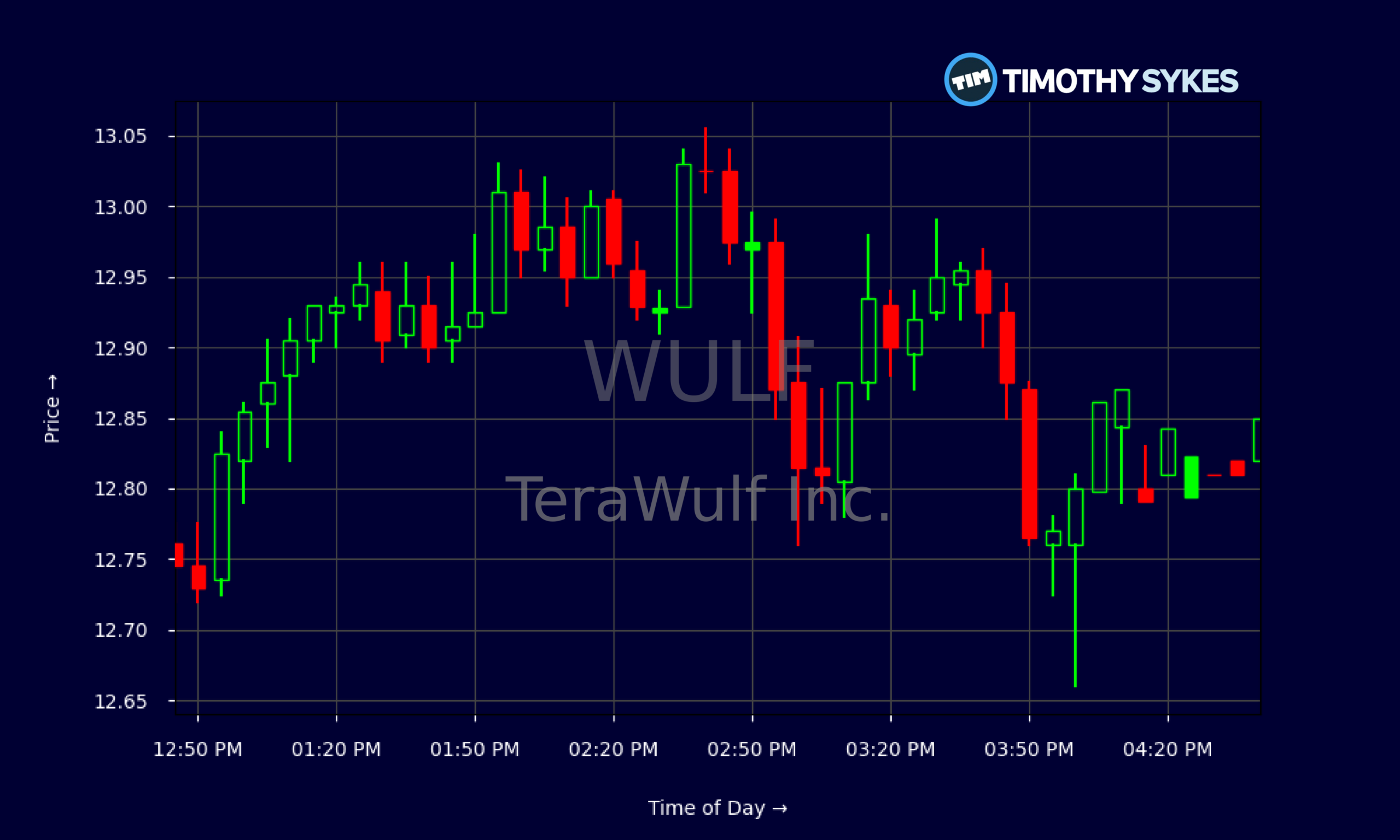
Live Update At 16:47:12 EDT: On Wednesday, October 21, 2026 TeraWulf Inc. stock [NASDAQ: WULF] is trending up by 7.15%! Discover the key drivers behind this movement as well as our expert analysis in the detailed breakdown below.
Quick Financial Overview
WULF has been on a wild ride. In late September, TeraWulf shares traded near $15; by 2026/10/21 they closed at $12.76 after bouncing off a $12.37 intraday low. That is a clear pullback, not a collapse, and it follows a steady downtrend from the mid‑$15s over several weeks.
On the intraday tape, WULF spent most of the latest session grinding between $12.60 and $13.05, with tight 5‑minute candles and no panic flush. That tells traders supply and demand are roughly balanced for now, with dip buyers active near $12.60 and sellers leaning around $13.
Under the hood, TeraWulf is still in heavy build‑out mode. Revenue over the last year is about $168.5M, but the company posted roughly -$939.9M in quarterly net loss and an EBITDA of about -$861.3M. Profit margins are deeply negative, even though gross margin sits near 84.3%, which means the core service is high‑margin but overhead, growth spending, and interest costs are crushing current earnings.
More Breaking News
WULF carries around $4.0B in long‑term debt against roughly $2.6B in cash and short‑term investments. A current ratio of 0.8 signals tight liquidity. For traders, this is a classic high‑beta, high‑leverage growth story: the chart is weak in the short term, but the company is clearly betting big on future AI infrastructure cash flows.
Why Traders Are Watching WULF Right Now
TeraWulf is not trading like a sleepy utility. It is trading like a leveraged bet on the next wave of AI compute demand, and Wall Street knows it. Multiple banks have lined up behind WULF despite the recent pullback.
Morgan Stanley reiterated an Overweight on TeraWulf and hiked its price target to $65, talking about nearly 392% upside from current levels. The bank argues the latest slide in WULF shares does not match the company’s contracted power capacity or the growth pipeline already locked in. That kind of language matters; when a big shop says price and fundamentals are out of sync, momentum traders listen.
Cantor Fitzgerald trimmed its target from $37 to $30, but still called the stock a potential “generational buy” once AI funding fears and sector‑wide data center worries ease. Translation for short‑term traders: sentiment is shaky, but the long‑term story remains aggressive.
On the ground, WULF has been stacking real assets. The Justified Data Campus in Kentucky now has regulatory approval for a 482 MW power agreement, backing a $4.0–$4.5B AI data center build. That project is anchored by a 20‑year, roughly 401 MW IT lease with Anthropic, expected to start delivering capacity from late 2027 into early 2028 under investment‑grade credit. For TeraWulf, that looks like locked‑in, long‑duration demand instead of speculative capacity.
At the Muskie Data Campus, WULF amended its deal with Kentucky Power to double contracted power from 500 MW to 1 GW and accelerate the second 500 MW phase to 2029. Management is already talking about 2 GW potential over time. WULF even agreed to fund $100M in winter bill credits for local customers and help finance a new 760 MW combined‑cycle plant, aligning itself with regulators and the community. For traders, all of this screams “execution risk is real, but the scale is undeniable.”
Conclusion
Put it all together and WULF is a classic battleground name. On one side, TeraWulf is burning cash, with free cash flow around -$992.3M for the recent quarter and negative returns on equity and assets. The balance sheet shows high leverage and working capital in the red. Rothschild & Co Redburn’s Neutral rating and $15 target underline those risks, reminding traders this is not a low‑drama compounder.
On the other side, WULF has signed long‑term, high‑credit AI leases, secured scarce power at scale, and lined up big‑name partners and counterparties. UBS, TD Cowen, and Jones all slapped Buy ratings on TeraWulf with targets from $21 to $30, while Street averages in the low‑ to mid‑$30s sit far above today’s price. Morgan Stanley’s $65 call is the loudest signal that the Street, on balance, sees WULF as underpriced versus its contracted growth.
For active traders, that mix sets up a volatile tape where news, financing headlines, and regulatory steps at Justified and Muskie can swing WULF hard in both directions. The key is to respect the risk, map your levels, and avoid marrying the story. As millionaire penny stock trader and teacher Tim Sykes, says, “Cut losses quickly, let profits ride, and don’t overtrade.”. As Tim Sykes likes to say, “hype is not a strategy — patterns and risk management are.” TeraWulf gives plenty of hype; disciplined traders will decide whether the chart and catalysts line up with their setups, always ready to cut losses fast if the story breaks.
This is stock news, not investment advice. Timothy Sykes News delivers real-time stock market news focused on key catalysts driving short-term price movements. Our content is tailored for active traders and investors seeking to capitalize on rapid price fluctuations, particularly in volatile sectors like penny stocks. Readers come to us for detailed coverage on earnings reports, mergers, FDA approvals, new contracts, and unusual trading volumes that can trigger significant short-term price action. Some users utilize our news to explain sudden stock movements, while others rely on it for diligent research into potential investment opportunities.
Dive deeper into the world of trading with Timothy Sykes, renowned for his expertise in penny stocks. Explore his top picks and discover the strategies that have propelled him to success with these articles:
- Penny Stocks Trading Guide
- Best Penny Stocks Under $1 to Buy Today
- Top 8 Penny Stocks to Watch on Robinhood
Once you’ve got some stocks on watch, elevate your trading game with StocksToTrade the ultimate platform for traders. With specialized tools for swing and day trading, StocksToTrade will guide you through the market’s twists and turns.
Dig into StocksToTrade’s watchlists here:





Leave a reply