

Stellantis N.V. stocks have been trading up by 3.46 percent after upbeat EV strategy news bolstered investor confidence.
Key Takeaways For STLA Traders
- Q3 results showed thin EPS of EUR 0.01, but Stellantis beat revenue forecasts at EUR 37.61B and reaffirmed 2026 guidance tied to its FaSTLAne 2030 cost and strategy plans.
- Management reported a much smaller adjusted Q3 loss versus last year and stuck with mid‑single‑digit revenue growth guidance through 2026, signaling operational progress for STLA.
- After the revenue beat and guidance confirmation, STLA shares spiked as much as 15.8% intraday to around $4.79 on heavy trading volume and strong buying interest.
- The company is teaming with Wayve, Nvidia and the French government to roll out L4‑ready autonomous vehicles, using STLA platforms with advanced AI and hardware stacks.
- Through FIAT, Stellantis is pushing deeper into U.S. EV and micromobility with the 2027 Fiat Topolino and Fiat 500e, reinforcing STLA’s small‑EV, city‑mobility niche.
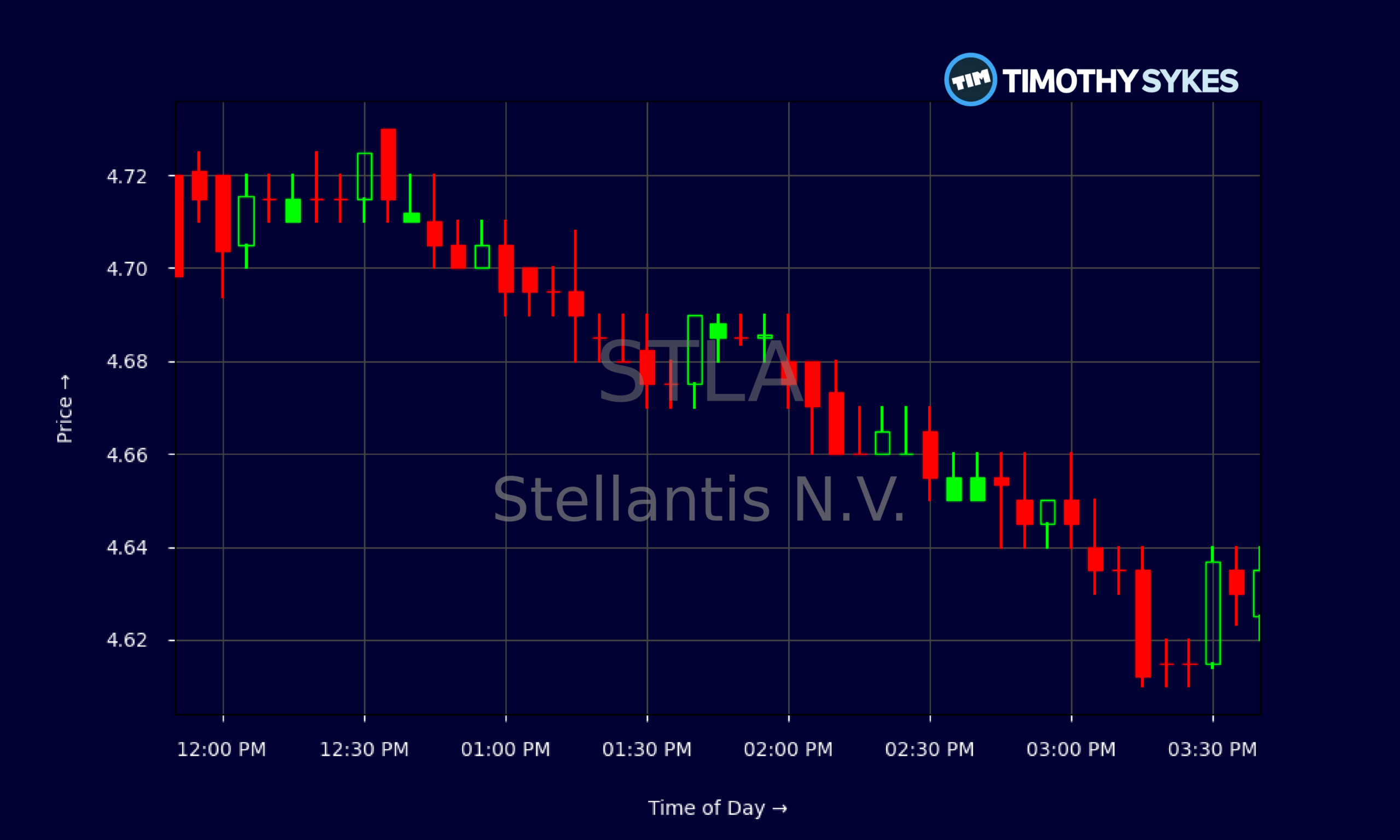
Live Update At 15:47:30 EST: On Wednesday, November 04, 2026 Stellantis N.V. stock [NYSE: STLA] is trending up by 3.46%! Discover the key drivers behind this movement as well as our expert analysis in the detailed breakdown below.
Quick Financial Overview
Stellantis N.V. has stepped back into the spotlight, and traders in STLA have noticed. On the fundamentals side, the company delivered Q3 EPS of just EUR 0.01, down from EUR 0.04 a year earlier. Earnings per share are thin, but the top line told a different story. Stellantis pulled in EUR 37.61B in revenue, topping the EUR 35.91B consensus and signaling that demand across its brands remains solid.
For context, STLA is tied to a business that generated roughly $153.5B in annual revenue, yet the market values it at a very low price‑to‑sales ratio of about 0.07 and a price‑to‑book near 0.21. That is deep value territory. Traders see a classic setup: a big, global automaker priced like a problem child, but now printing better‑than‑feared numbers and reaffirming guidance.
On the chart, STLA closed near $4.63 on 2026/11/04, up from around $4.08–$4.14 just days before the report. Intraday 5‑minute data show a steady grind higher between roughly $4.55 and $4.72, with tight ranges and controlled pullbacks. That looks like accumulation, not panic.
More Breaking News
For short‑term traders, the combination of a value backdrop, improving loss profile, and rising price action turns STLA into a live momentum watch.
Why Traders Are Watching STLA Now
STLA has shifted from sleepy value name to active trading vehicle almost overnight. The spark was Q3 earnings. Stellantis posted a much smaller adjusted loss than last year and beat analyst expectations on both earnings and revenue. Importantly, management didn’t blink on the outlook. STLA reaffirmed its 2026 plan for mid‑single‑digit revenue growth and low‑single‑digit adjusted operating margins, backed by its FaSTLAne 2030 strategy and cost‑efficiency push.
The market rewarded that confidence. After the report, STLA shares ripped higher, rising about 8% early and stretching to a 15.8% intraday surge, with the stock trading around $4.79 on heavy volume. That kind of spike tells you traders were leaning cautious going in, then rushed to reprice once the downside scenario failed to show up.
Under the hood, there’s more than just cost cuts. Stellantis is partnering with Wayve, Nvidia and the French government to deploy L4‑ready autonomous vehicles in France and potentially across the EU. STLA is plugging its platforms into Wayve’s AI driver and Nvidia’s hardware and software stack. For traders, that adds a tech‑story layer to a beaten‑down auto name.
At the same time, STLA’s FIAT brand is pushing U.S. EV and micromobility with the 2027 Fiat Topolino and the Fiat 500e. Early demand plus design and green awards help Stellantis position itself as a small‑EV and city‑mobility player, not just an old‑school ICE manufacturer. Add in AI‑driven customer‑data work with Amperity and even a Dodge return to NASCAR in 2027, and you get a clear theme: STLA is trying to protect margins with performance brands while funding its EV and autonomy shift.
The one caution flag is Europe. Stellantis registrations there rose 4.7% in September to 139,582 units, but the wider EU grew 9.3%. STLA is gaining volume but losing share in a market that is shifting fast toward battery‑electric vehicles. Traders should keep that on the risk list even as the headline narrative turns more bullish.
Conclusion
For active traders, STLA is finally acting like a real mover again. The recipe is clear: a low‑expectation setup, a revenue beat, a sharply smaller adjusted loss, and a firm 2026 roadmap. That combo triggered a powerful re‑rating, with STLA ripping as much as 15.8% intraday and then consolidating in the mid‑$4 range. The tight intraday bands between roughly $4.55 and $4.72 show controlled trading flows, not wild churn, which often precedes the next directional push.
Longer term, Stellantis is trying to prove it’s more than a cyclical metal‑bender. The Wayve and Nvidia autonomy deal, the FIAT Topolino and 500e EV push, and the Amperity data partnership all point to an STLA that wants software, services and new mobility niches in its profit mix. Meanwhile, Dodge performance models, NASCAR exposure, and SRT‑driven parts keep the cash‑generating ICE side alive while the EV transition ramps.
None of this guarantees a straight line up. The weak share gains in Europe versus the broader market show that STLA still has to fight hard in the EV transition. For traders, that means respecting both the upside momentum and the structural risk. As millionaire penny stock trader and teacher Tim Sykes, says, “It’s better to go home at zero than to go home in the red.” That idea lines up with the risk‑focused mindset required when trading a volatile, catalyst‑driven name like STLA.
As Tim Sykes likes to say, “Patterns repeat, but it’s your discipline that decides whether you capitalize or get crushed.” With STLA, the pattern right now is clear: earnings‑driven momentum in a deeply discounted name. The discipline part is up to every trader reading this. This analysis is for educational and research purposes only and is not trading advice.
This is stock news, not investment advice. Timothy Sykes News delivers real-time stock market news focused on key catalysts driving short-term price movements. Our content is tailored for active traders and investors seeking to capitalize on rapid price fluctuations, particularly in volatile sectors like penny stocks. Readers come to us for detailed coverage on earnings reports, mergers, FDA approvals, new contracts, and unusual trading volumes that can trigger significant short-term price action. Some users utilize our news to explain sudden stock movements, while others rely on it for diligent research into potential investment opportunities.
Dive deeper into the world of trading with Timothy Sykes, renowned for his expertise in penny stocks. Explore his top picks and discover the strategies that have propelled him to success with these articles:
- Penny Stocks Trading Guide
- Best Penny Stocks Under $1 to Buy Today
- Top 8 Penny Stocks to Watch on Robinhood
Once you’ve got some stocks on watch, elevate your trading game with StocksToTrade the ultimate platform for traders. With specialized tools for swing and day trading, StocksToTrade will guide you through the market’s twists and turns.
Dig into StocksToTrade’s watchlists here:





Leave a reply