

Rocket Companies Inc. stocks have been trading up by 6.88 percent amid upbeat sentiment on strengthening U.S. housing demand.
Key Takeaways
- Q3 adjusted EPS of $0.15 topped consensus estimates of $0.13–$0.14, signaling stronger profitability for RKT in a tough mortgage market.
- Revenue of $3.28B blew past the $2.58B FactSet estimate, showing Rocket Companies is grabbing share as the cycle turns.
- Management flagged the highest profitability margin in nearly five years, even with mortgage rates near three-year highs.
- Q4 revenue guidance of $2.10B–$2.30B points to solid but more normalized activity after a standout Q3 for RKT.
- Wall Street reacted with mixed tweaks: Stephens and RBC trimmed targets, JPMorgan nudged its higher, while the average Street view on RKT stays overweight around $15.42.
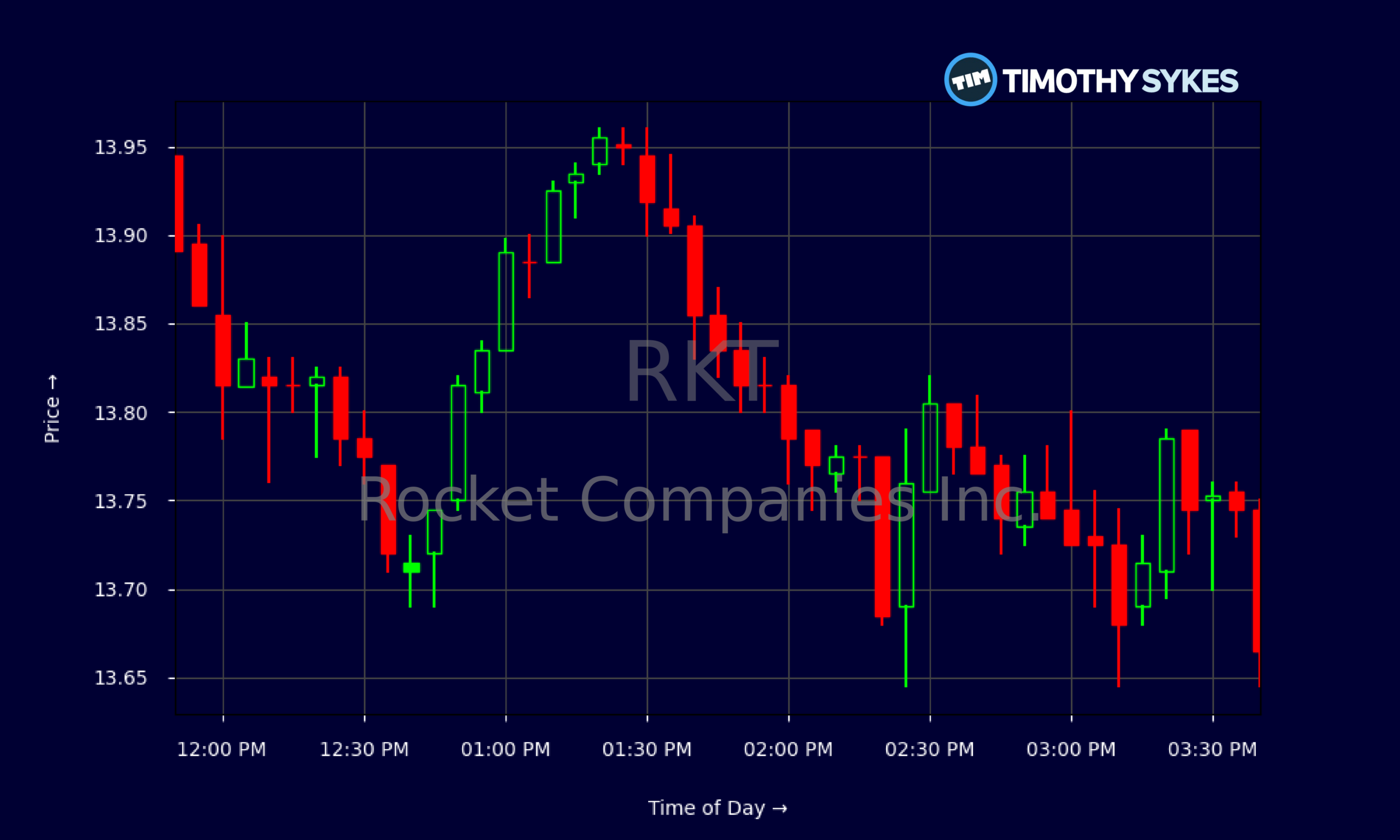
Live Update At 15:46:57 EST: On Monday, November 02, 2026 Rocket Companies Inc. stock [NYSE: RKT] is trending up by 6.88%! Discover the key drivers behind this movement as well as our expert analysis in the detailed breakdown below.
Quick Financial Overview
RKT has quietly been grinding higher for weeks, and the tape finally confirmed that strength. From early October around $10.50–$11.00 to a recent close near $13.67, Rocket Companies has logged roughly a 25% climb, powered by improving fundamentals and a hot post-earnings reaction. The multi-day chart shows a clear stair-step pattern of higher lows and higher highs, which short-term traders love to see when hunting momentum.
On the latest trading day, RKT opened near $13.05 and pushed to $14.00 before closing at $13.67, holding most of its intraday gains. The 5‑minute chart shows tight, controlled action between roughly $13.60 and $13.90 through the afternoon — the kind of consolidation that tells traders big sellers are not dumping into strength.
More Breaking News
Under the hood, Rocket Companies posted trailing 12‑month revenue of about $6.26B and runs at a profit margin a little above 5%. The P/E ratio above 50 and price‑to‑sales near 3.6 tell traders this is not a deep value name; the market is paying up for RKT’s growth and operating leverage. Debt is meaningful, but leverage ratios are manageable for a scaled mortgage platform. For active traders, this setup reads as a momentum name with real earnings behind the move, not just hype.
Why Traders Are Watching RKT After Earnings
Earnings changed the game for RKT. Rocket Companies didn’t just edge past expectations — it smashed them. Q3 revenue landed at $3.28B versus the $2.58B FactSet consensus, a massive upside surprise for a mortgage‑linked name in a high‑rate world. Adjusted EPS hit $0.15, above the $0.13–$0.14 range traders were watching, and management said this quarter delivered the highest profitability margin in almost five years. That combination of market share gains in both purchase and refinance, plus margin expansion, is exactly what momentum traders hunt.
Yet the story is not a straight line. Despite the blowout Q3, RKT sold off in after‑hours once traders focused on guidance. Rocket Companies guided Q4 revenue to $2.10B–$2.30B — still solid, but clearly a step down from the Q3 surge. That told the market the company sees normalization ahead, not a straight vertical ramp. For short‑term traders, that’s the tension: monster quarter in the rear‑view mirror, more measured outlook straight ahead.
Wall Street’s response fits that mixed picture. Stephens trimmed its price target on RKT from $16.50 to $16.00 but kept an Overweight stance. RBC cut from $16 to $14 with a Sector Perform rating. On the other side, JPMorgan ticked its target up from $12.50 to $13 while staying Neutral. Put it together and Rocket Companies still carries an overweight average rating with a mean target near $15.42 — upside from current prices, but with expectations now more realistic. For active traders, that usually means cleaner technical setups and fewer “euphoria” gaps that reverse hard.
Strategically, RKT is also leaning on Redfin, now under the Rocket Companies umbrella, to deepen its housing ecosystem. Redfin data shows a mixed but stabilizing housing picture, and the new “Redfin Presents Iconic Homes of America” content push is designed to drive traffic and engagement through 2027. That may not move tomorrow’s candle, but it signals RKT is thinking beyond one mortgage cycle.
Conclusion
For traders, RKT now sits at an interesting crossroads. Rocket Companies just proved it can out-execute in one of the toughest mortgage environments of the past few years, beating on both revenue and earnings and expanding margins when many lenders are just trying to stay afloat. The stock’s steady grind from the $10s into the mid‑$13s, plus the intraday consolidation after the spike, shows real demand under the surface.
At the same time, the Q4 outlook from Rocket Companies is a reality check. Guidance in the $2.10B–$2.30B range suggests Q3 was exceptional and that growth is likely to normalize. Analyst tweaks echo that message: RKT still has upside in most models, but price targets are being fine‑tuned, not chased higher in a frenzy. For disciplined traders, that’s a cue to respect both the bullish trend and the risk of post‑earnings digestion or pullbacks.
The edge now comes from doing what Tim Sykes and his community preach every day — study the chart, track the volume, and have a plan. As millionaire penny stock trader and teacher Tim Sykes, says, “Cut losses quickly, let profits ride, and don’t overtrade.” As Tim Sykes likes to say, “The market rewards preparation, not prediction.” For RKT, that means treating this move as a tradable opportunity, not a guarantee, and staying ready to cut losses fast if the story on the screen starts to change.
This is stock news, not investment advice. Timothy Sykes News delivers real-time stock market news focused on key catalysts driving short-term price movements. Our content is tailored for active traders and investors seeking to capitalize on rapid price fluctuations, particularly in volatile sectors like penny stocks. Readers come to us for detailed coverage on earnings reports, mergers, FDA approvals, new contracts, and unusual trading volumes that can trigger significant short-term price action. Some users utilize our news to explain sudden stock movements, while others rely on it for diligent research into potential investment opportunities.
Dive deeper into the world of trading with Timothy Sykes, renowned for his expertise in penny stocks. Explore his top picks and discover the strategies that have propelled him to success with these articles:
- Penny Stocks Trading Guide
- Best Penny Stocks Under $1 to Buy Today
- Top 8 Penny Stocks to Watch on Robinhood
Once you’ve got some stocks on watch, elevate your trading game with StocksToTrade the ultimate platform for traders. With specialized tools for swing and day trading, StocksToTrade will guide you through the market’s twists and turns.
Dig into StocksToTrade’s watchlists here:





Leave a reply