

Rocket Companies Inc. stocks have been trading up by 7.13 percent after strong mortgage origination growth boosted investor optimism.
Key Takeaways
- Q3 adjusted EPS landed at $0.15 versus $0.13–$0.14 estimates, as Rocket Companies (RKT) grew margins and market share despite three-year-high mortgage rates.
- Revenue hit $3.28B against $2.58B consensus, yet RKT slipped after-hours as traders weighed softer Q4 guidance against the blowout quarter.
- Management guided Q4 revenue to $2.10B–$2.30B, pointing to solid but cooler activity after Q3’s surge.
- Major banks trimmed RKT price targets but kept Overweight/Outperform/Buy ratings, signaling cautious but intact bullish sentiment.
- Redfin, now under Rocket Companies, flags the strongest buyer’s market on record, with 63% more sellers than buyers and 21% of sellers cutting asking prices.
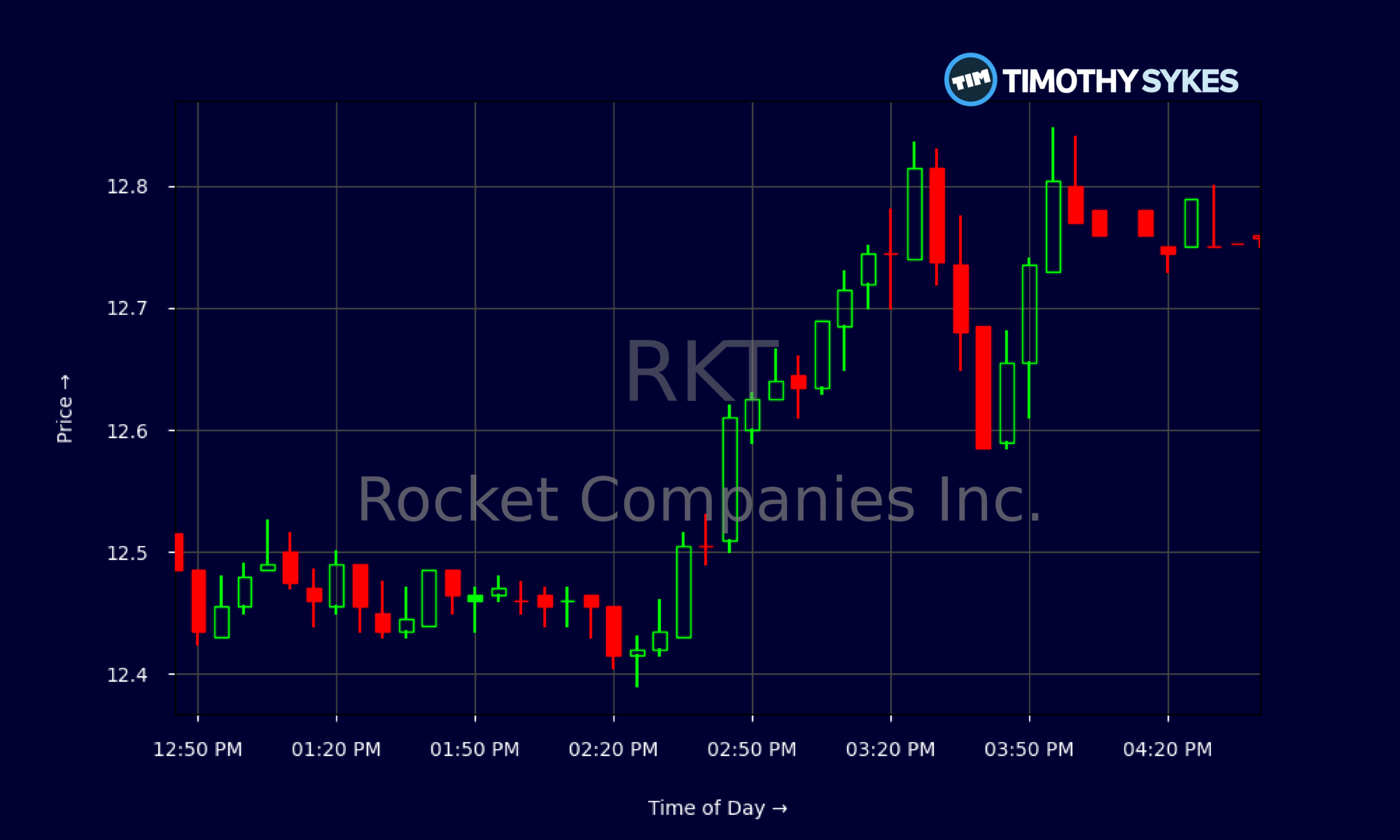
Live Update At 16:46:39 EDT: On Friday, October 30, 2026 Rocket Companies Inc. stock [NYSE: RKT] is trending up by 7.13%! Discover the key drivers behind this movement as well as our expert analysis in the detailed breakdown below.
Quick Financial Overview
RKT just printed the kind of quarter that gets traders’ attention. Q3 revenue came in at $3.28B, blowing past the $2.58B consensus. Adjusted EPS hit $0.15, ahead of the $0.13–$0.14 range Wall Street was looking for. Management said Rocket Companies expanded market share in both purchase and refinance and delivered its best profitability margin in nearly five years, all while mortgage rates sit at a three-year high.
On the chart, RKT has pushed from roughly $10.50 in mid-October to $12.80 on 2026/10/30. That is a clean trend higher, with higher lows almost every few sessions. Intraday tape shows tight trading between $12.40 and $12.80, suggesting consolidation after the earnings move rather than panic profit-taking.
More Breaking News
Fundamentals back up this tape strength. RKT runs a roughly 5.3% net margin and trades at a price-to-sales ratio near 3.6 and price-to-book around 1.4, rich for a mortgage name but not crazy for a tech-enabled platform. Debt-to-equity at 1.16 and a leverage ratio of 2.6 remind traders this is a leveraged financial, but with $6.26B in quarterly revenue and a large equity base, Rocket Companies still has room to manage its capital structure. For active traders, the message is simple: the market is now paying up for execution.
Why Traders Are Watching RKT After Earnings
RKT’s Q3 print did more than beat numbers; it reset expectations. Rocket Companies showed it can grow when the macro deck is stacked against housing. Revenue at $3.28B versus $2.58B expected is not a small overshoot. That kind of gap says the Street underestimated how much volume and pricing power RKT could pull from a choppy mortgage market.
The quality of the beat matters. Adjusted EPS of $0.15 did not just edge past consensus; it came with management calling out market share gains in purchase and refinance plus the strongest profitability margin in almost five years. For a mortgage platform, expanding margins when rates are high is like swimming upstream and still beating the swimmers going with the current. Traders looking for execution stories in tough sectors have a real case study here.
Yet the reaction around the print shows how forward-looking trading is. Rocket Companies guided Q4 revenue to $2.10B–$2.30B, a clear step down from Q3. That normalization likely drove the after-hours dip, as the market asked whether Q3 was a high watermark. For short-term RKT traders, that sets up a classic expectations game: if actual Q4 numbers land toward the top of the range, the current skepticism can unwind fast.
Overlay this with the macro housing picture that Redfin, now owned by Rocket Companies, is flagging. Sellers outnumber buyers by about 63%, and roughly 21% of sellers cut prices in late September. It is the strongest buyer’s market on record. That backdrop pressures origination volumes but also gives RKT and its Redfin data machine a chance to target the limited pool of qualified buyers more efficiently than old-school lenders.
Conclusion
RKT is now a battleground between strong company execution and a stubborn macro reality. On one side, Rocket Companies is putting up numbers: revenue far ahead of consensus, EPS beats, margin expansion, and clear signs that past tech and distribution spending is finally paying off. The stock’s grind from the $10s to the high $12s reflects traders starting to price in that strength.
On the other side, guidance and the housing tape are telling everyone to stay humble. Q4 revenue of $2.10B–$2.30B points to a comedown from Q3, and Redfin’s data inside Rocket Companies shows a market still struggling with affordability, record buyer-seller imbalances, and heavy price cuts in many metros. That is exactly why several banks, from Barclays to Morgan Stanley to Keefe Bruyette and StoneX, trimmed RKT price targets while sticking with bullish ratings. The Street sees upside, just with more bumps along the way.
For active traders, that mix usually means volatility and opportunity rather than a straight line. The key is to trade the price action, not fall in love with the story. As Tim Sykes likes to say, “Patterns repeat, but only traders who cut losses quickly and stay disciplined stick around long enough to see them.” As millionaire penny stock trader and teacher Tim Sykes says, “Small gains add up over time; focus on building wealth gradually, not chasing jackpots.” That mentality fits RKT’s current tape: favor consistent, controlled trades over swinging for home runs in a choppy environment. Use that mindset with RKT: respect the trend, define your risk, and let the numbers – not the hype – drive your decisions. This analysis is for educational and research purposes only and is not investment advice.
This is stock news, not investment advice. Timothy Sykes News delivers real-time stock market news focused on key catalysts driving short-term price movements. Our content is tailored for active traders and investors seeking to capitalize on rapid price fluctuations, particularly in volatile sectors like penny stocks. Readers come to us for detailed coverage on earnings reports, mergers, FDA approvals, new contracts, and unusual trading volumes that can trigger significant short-term price action. Some users utilize our news to explain sudden stock movements, while others rely on it for diligent research into potential investment opportunities.
Dive deeper into the world of trading with Timothy Sykes, renowned for his expertise in penny stocks. Explore his top picks and discover the strategies that have propelled him to success with these articles:
- Penny Stocks Trading Guide
- Best Penny Stocks Under $1 to Buy Today
- Top 8 Penny Stocks to Watch on Robinhood
Once you’ve got some stocks on watch, elevate your trading game with StocksToTrade the ultimate platform for traders. With specialized tools for swing and day trading, StocksToTrade will guide you through the market’s twists and turns.
Dig into StocksToTrade’s watchlists here:





Leave a reply