
Nokia Corporation Sponsored stocks have been trading up by 6.14 percent amid optimism over its latest 5G network contracts.
Key Takeaways
- Q3 revenue topped expectations at €5.15B versus €5.07B, with 9% net sales growth, stronger margins, and Nokia guiding Q4 revenue up 20%–24% quarter over quarter.
- The company beat Q3 earnings, reaffirmed its 2026 profit outlook, and kept a regular €0.03 dividend, signaling management confidence despite recent NOK share pressure.
- Rosenblatt and JPMorgan trimmed NOK price targets but kept Buy/Overweight ratings, calling the roughly 15% post-earnings selloff an overreaction to broader AI and credit-spread fears.
- Nokia is pushing hard into AI-RAN with Nvidia, T-Mobile, and SoftBank, positioning its anyRAN and MantaRay platforms at the center of next‑gen network builds.
- The group accelerated Infinera integration toward €200M in synergies by 2026 and agreed to sell its Enterprise Campus Edge unit, tightening focus on core networks and AI‑driven growth.
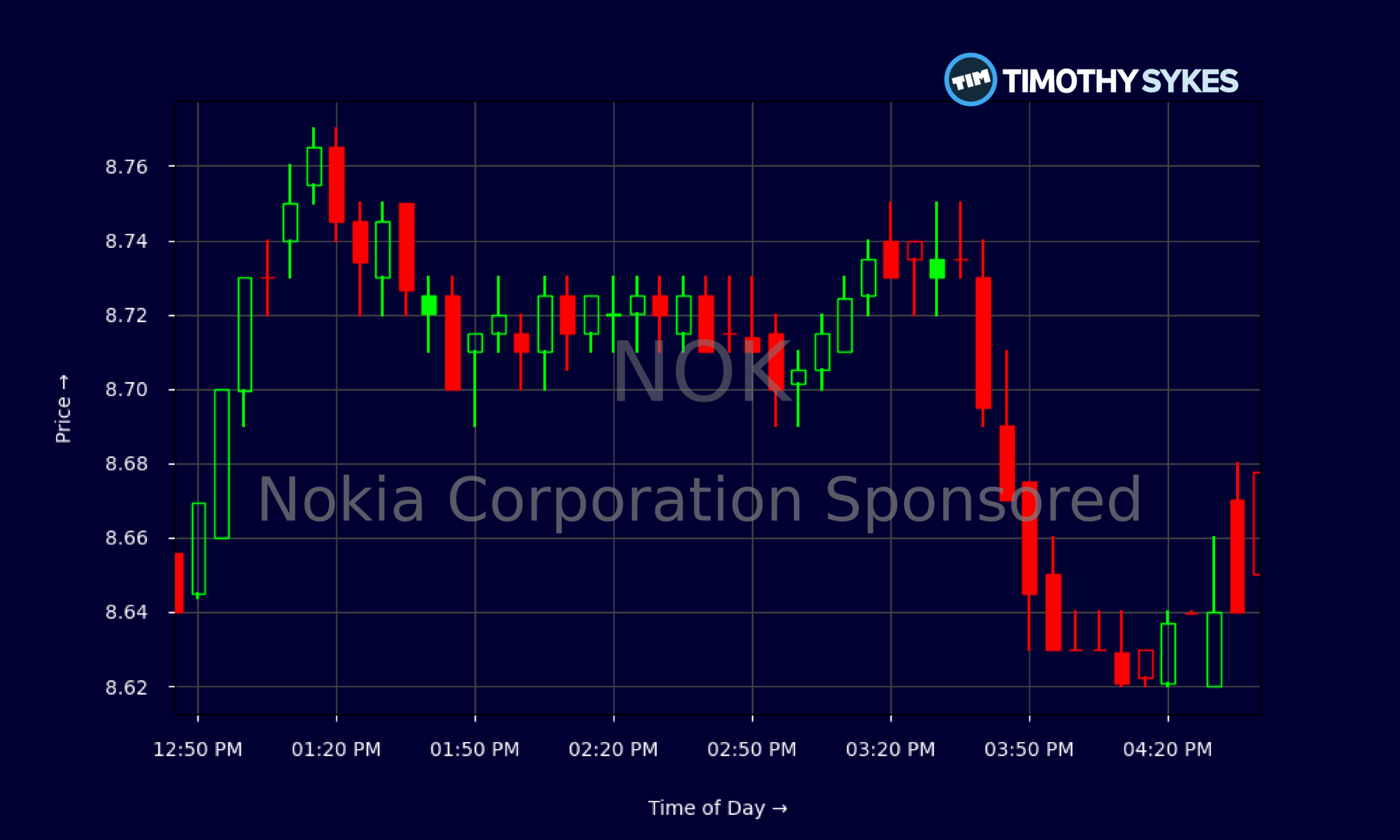
Live Update At 16:47:18 EDT: On Monday, October 26, 2026 Nokia Corporation Sponsored stock [NYSE: NOK] is trending up by 6.14%! Discover the key drivers behind this movement as well as our expert analysis in the detailed breakdown below.
Quick Financial Overview
NOK has been trading like a classic post-earnings shakeout. The stock slid from above $10 earlier in the month to around $7.88 on 2026/10/22, right after Nokia’s Q3 release, then bounced back toward $8.64 by 2026/10/26. For short-term traders, that’s a sharp reset followed by a controlled grind higher.
The intraday tape shows NOK holding a tight range between roughly $8.60 and $8.75 for most of the latest session. That’s a textbook consolidation zone after volatility. Volume and price action here matter: if NOK can keep closing near the top of this band, aggressive traders will start eyeing a push back toward the $9 area, where prior support turned into resistance earlier in October.
More Breaking News
Fundamentals behind NOK look more stable than the chart suggests. Nokia posted Q3 revenue of about €19.22B annualized, carries an elevated P/E of 74.4, and trades at 2.58 times sales and 2.45 times book value. Those multiples say the market already prices in growth and execution. At the same time, Nokia’s leverage ratio around 1.8 and solid equity base give NOK room to maneuver. The declared €0.03 quarterly dividend, with a yield near 1.65%, adds a small but steady cash component that swing traders should at least note around ex‑dividend dates.
Why Traders Are Watching NOK Now
NOK is in that sweet spot where the story looks stronger than the recent price action. On 2026/10/22, Nokia beat Q3 earnings and revenue expectations, with net sales at €5.15B versus €5.07B consensus and 9% growth year on year. Comparable EPS matched the street at €0.09, while operating margins improved by 220 basis points. On top of that, Nokia guided Q4 revenue up 20%–24% quarter over quarter and reaffirmed its 2026 operating profit outlook.
Yet NOK still dropped roughly 15% after the report. That disconnect is exactly what active traders hunt. Rosenblatt cut its NOK price target from $15 to $14 but kept a Buy rating, saying the selloff looks more like collateral damage from a broader AI infrastructure shakeout and credit-spread worries than any Nokia-specific flaw. JPMorgan did something similar, trimming its NOK target from $21 to $20.50 while sticking with an Overweight call and pointing to scale-out and data center opportunities.
On the growth side, the narrative around NOK is shifting from old-line telecom to AI-native networking. Nokia is partnering with Nvidia and T-Mobile on a live AI-RAN call, running its anyRAN software on Nvidia hardware, and pulling Nvidia models into its automation tools. It is also tying its RAN software into Nvidia’s Aerial RAN Computer running on Supermicro infrastructure. Add in the planned 2027 AI-RAN commercial trial with SoftBank in Japan, using anyRAN, MantaRay, SoftBank’s AITRAS, and Nvidia’s platform, and NOK suddenly sits in the middle of the AI-radio convergence story.
Traders also have an extra upside wildcard: Nokia and Ericsson are both cited as likely RAN suppliers for SpaceX’s potential 80,000-site terrestrial device‑to‑device network. It is not a signed deal, but if that build moves forward, NOK’s optionality goes up fast.
Conclusion
For active traders, NOK is a classic example of “good numbers, bad reaction.” Nokia beat Q3 expectations, improved margins, and guided to strong Q4 growth, while keeping its dividend and 2026 profit roadmap intact. At the same time, NOK accelerated Infinera integration toward €200M in synergies by end‑2026 and moved to sell its Enterprise Campus Edge business to Aurelius, which refocuses the portfolio on core networks and AI‑RAN. That combination of execution, cleanup, and future-facing tech is not what you usually see in a name that just sold off double digits.
The tape tells a different, shorter story: NOK broke down from the $10s into the high $7s, and is now basing in the mid‑$8s. That’s a battleground area. If NOK can reclaim $9 with volume, momentum traders will pay attention; if it loses $8, the post‑earnings fade may not be finished. As always, the edge comes from preparation, not prediction.
This is where the Tim Sykes playbook applies. As Tim says, “The market doesn’t care about your opinion, only your preparation. Study the catalysts, study the chart, and always plan your exit before you enter.” As millionaire penny stock trader and teacher Tim Sykes, says, “Small gains add up over time; focus on building wealth gradually, not chasing jackpots.”. For NOK, those catalysts are clear: AI-RAN deals with Nvidia, T-Mobile, and SoftBank, possible upside from a SpaceX buildout, and ongoing analyst support despite target trims. Use this article strictly for education and research, map out your risk, and let the price action confirm the thesis before you trade.
This is stock news, not investment advice. Timothy Sykes News delivers real-time stock market news focused on key catalysts driving short-term price movements. Our content is tailored for active traders and investors seeking to capitalize on rapid price fluctuations, particularly in volatile sectors like penny stocks. Readers come to us for detailed coverage on earnings reports, mergers, FDA approvals, new contracts, and unusual trading volumes that can trigger significant short-term price action. Some users utilize our news to explain sudden stock movements, while others rely on it for diligent research into potential investment opportunities.
Dive deeper into the world of trading with Timothy Sykes, renowned for his expertise in penny stocks. Explore his top picks and discover the strategies that have propelled him to success with these articles:
- Penny Stocks Trading Guide
- Best Penny Stocks Under $1 to Buy Today
- Top 8 Penny Stocks to Watch on Robinhood
Once you’ve got some stocks on watch, elevate your trading game with StocksToTrade the ultimate platform for traders. With specialized tools for swing and day trading, StocksToTrade will guide you through the market’s twists and turns.
Dig into StocksToTrade’s watchlists here:





Leave a reply