
Micron Technology Inc. stocks have been trading down by -2.39 percent amid bearish sentiment over memory-chip demand and pricing pressures.
Key Takeaways
- Shares slid roughly 3.6%–5% after headlines that China’s CXMT claimed a DRAM breakthrough with a 4F2 data center chip design due by year‑end.
- Both Micron Technology and SK Hynix sold off sharply, dropping about 4.8% and 6.3% on the same CXMT news, signaling sector-wide pressure.
- The ticker has seen steady selling, including a 3.1% premarket drop after a 3.9% slide among popular WallStreetBets semiconductor names.
- Short-term downside momentum in MU continued with another 1.2% premarket pullback following a 3.6% fall, despite talk of a solid long-term story.
- Volatile premarket trading across WallStreetBets favorites has put MU on both sides of the tape, from heavy red sessions to 1%–4% relief bounces.
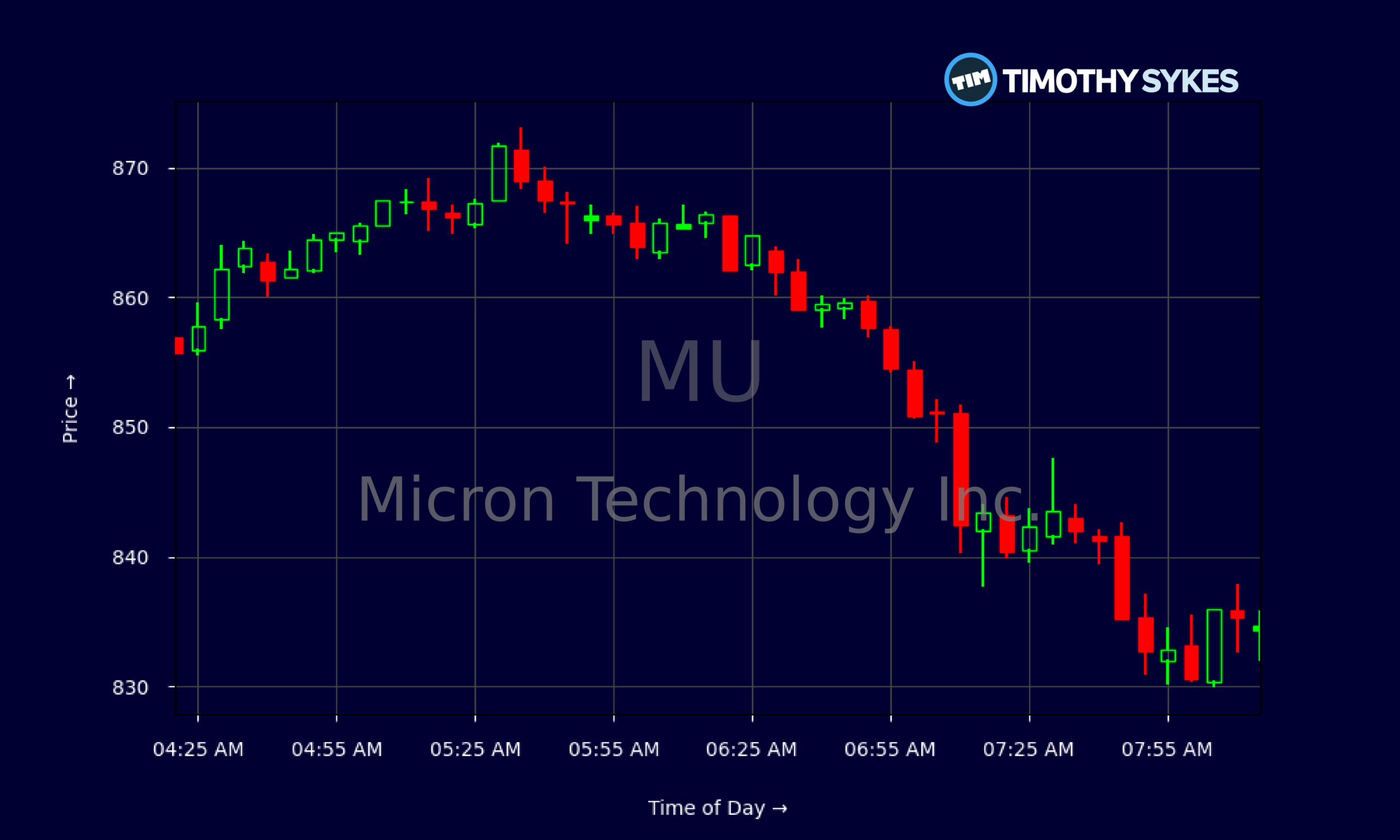
Live Update At 08:19:59 EST: On Wednesday, November 04, 2026 Micron Technology Inc. stock [NASDAQ: MU] is trending down by -2.39%! Discover the key drivers behind this movement as well as our expert analysis in the detailed breakdown below.
Quick Financial Overview
Micron Technology Inc. is giving traders a classic “strong numbers, shaky tape” setup. On the fundamental side, the latest report shows total revenue of about $54.2B and gross profit near $47.0B, which translates into a very high gross margin around 72.6%. MU is throwing off serious earnings as well, with net income from continuing operations of roughly $37.7B and an EBIT margin in the mid‑60% range.
Those profits flow through to returns. Management effectiveness metrics are strong, with return on equity and return on assets sitting at healthy double‑digit levels. Micron Technology also carries relatively modest leverage, with low debt-to-equity and a comfortable current ratio, which keeps balance-sheet risk manageable for traders watching downside scenarios.
More Breaking News
On the chart, MU has retreated from above the 1,000 area to recent closes in the mid‑800s. Daily candles show wide ranges and sharp reversals, a sign of active, emotional trading rather than quiet accumulation. Intraday, MU has been whipping between roughly the low‑830s and high‑860s, offering both breakout attempts and quick failed moves. For active traders, MU is a liquid, volatile playground—but one that demands tight risk control.
Why Traders Are Watching MU After The CXMT Shock
The latest Micron Technology tape is being driven more by headlines than by spreadsheets. The key shock was news that China’s CXMT claimed a breakthrough in DRAM technology, including a new 4F2 data center chip design aimed for launch by year‑end. Once that hit, MU shares dropped roughly 5% in one wave and 3.6% in another cited move, showing how fast sentiment can flip when traders fear a fresh competitor in high-end memory.
MU was not alone. One report had Micron Technology down about 4.8% while SK Hynix slid 6.3% on the same CXMT news. That tells traders this isn’t just a Micron execution story—it is a perceived shift in the DRAM battlefield. When a Chinese rival talks up a leap in data center memory, the market starts repricing margins and share gains for the whole peer group.
Layered on top of that is crowd behavior. MU was already under pressure, clocking a 3.9% decline followed by another 3.1% premarket drop among WallStreetBets-followed semiconductor names. Another premarket headline had Micron Technology down 1.2% after a prior 3.6% fall. That’s textbook momentum selling: traders see red, algorithms press the downside, and short-term players pile in.
At the same time, there have been modest bounce attempts. On one later morning, several WallStreetBets favorites, including MU, showed 1%–4% premarket gains after a rough Friday. For day traders, that makes Micron Technology a clean momentum toggle—flushes on fear, squeezes on relief.
Conclusion
For active traders, MU now sits at the crossroads of strong fundamentals and rising external risk. Micron Technology still prints hefty revenue, thick margins, and robust cash flow. The balance sheet looks sturdy. But the tape does not care about any of that in the short run. It cares that CXMT claims a DRAM breakthrough and a new 4F2 data center chip design, and the market has treated that story as a real threat, knocking MU lower by 3.6%–5% in multiple swings and dragging peers like SK Hynix with it.
Add in steady selling pressure—0.5% here, 1% there, 3%–4% air pockets around the open—and you get a name that is trending down while volatility spikes. Micron Technology has also been yoked to WallStreetBets flows, turning MU into a sentiment barometer as much as a fundamentals play.
For traders, that means clear homework. Track the CXMT narrative, map MU’s key support and resistance zones in the 800s and 900s, and size positions so one headline does not blow up the account. As millionaire penny stock trader and teacher Tim Sykes says, “Cut losses quickly, let profits ride, and don’t overtrade.” As Tim Sykes likes to say, “The market doesn’t care about your opinion, only your risk management,” and MU is a live reminder of that. This analysis is for educational and research purposes only and is not investment advice.
This is stock news, not investment advice. Timothy Sykes News delivers real-time stock market news focused on key catalysts driving short-term price movements. Our content is tailored for active traders and investors seeking to capitalize on rapid price fluctuations, particularly in volatile sectors like penny stocks. Readers come to us for detailed coverage on earnings reports, mergers, FDA approvals, new contracts, and unusual trading volumes that can trigger significant short-term price action. Some users utilize our news to explain sudden stock movements, while others rely on it for diligent research into potential investment opportunities.
Dive deeper into the world of trading with Timothy Sykes, renowned for his expertise in penny stocks. Explore his top picks and discover the strategies that have propelled him to success with these articles:
- Penny Stocks Trading Guide
- Best Penny Stocks Under $1 to Buy Today
- Top 8 Penny Stocks to Watch on Robinhood
Once you’ve got some stocks on watch, elevate your trading game with StocksToTrade the ultimate platform for traders. With specialized tools for swing and day trading, StocksToTrade will guide you through the market’s twists and turns.
Dig into StocksToTrade’s watchlists here:





Leave a reply