

Medical Properties Trust Inc. stocks have been trading down by -5.44 percent amid renewed concerns over tenant stability and liquidity.
Key Takeaways
- Price action in Medical Properties Trust Inc. has broken down from the $3.50–$3.60 area to the high‑$2 range, signaling pressure on bullish momentum.
- Intraday trading in MPT shows tight consolidation around $2.80–$2.85, as day traders gauge whether this level can hold as support.
- Financials highlight strong gross margins but negative net income and heavy leverage, making Medical Properties Trust Inc. a classic high‑risk, high‑yield REIT.
- Cash flow from operations remains positive for MPT, yet the balance sheet’s $9.0B‑plus long‑term debt keeps risk elevated.
- The double‑digit dividend yield on Medical Properties Trust Inc. reflects both income potential and market skepticism about long‑term sustainability.
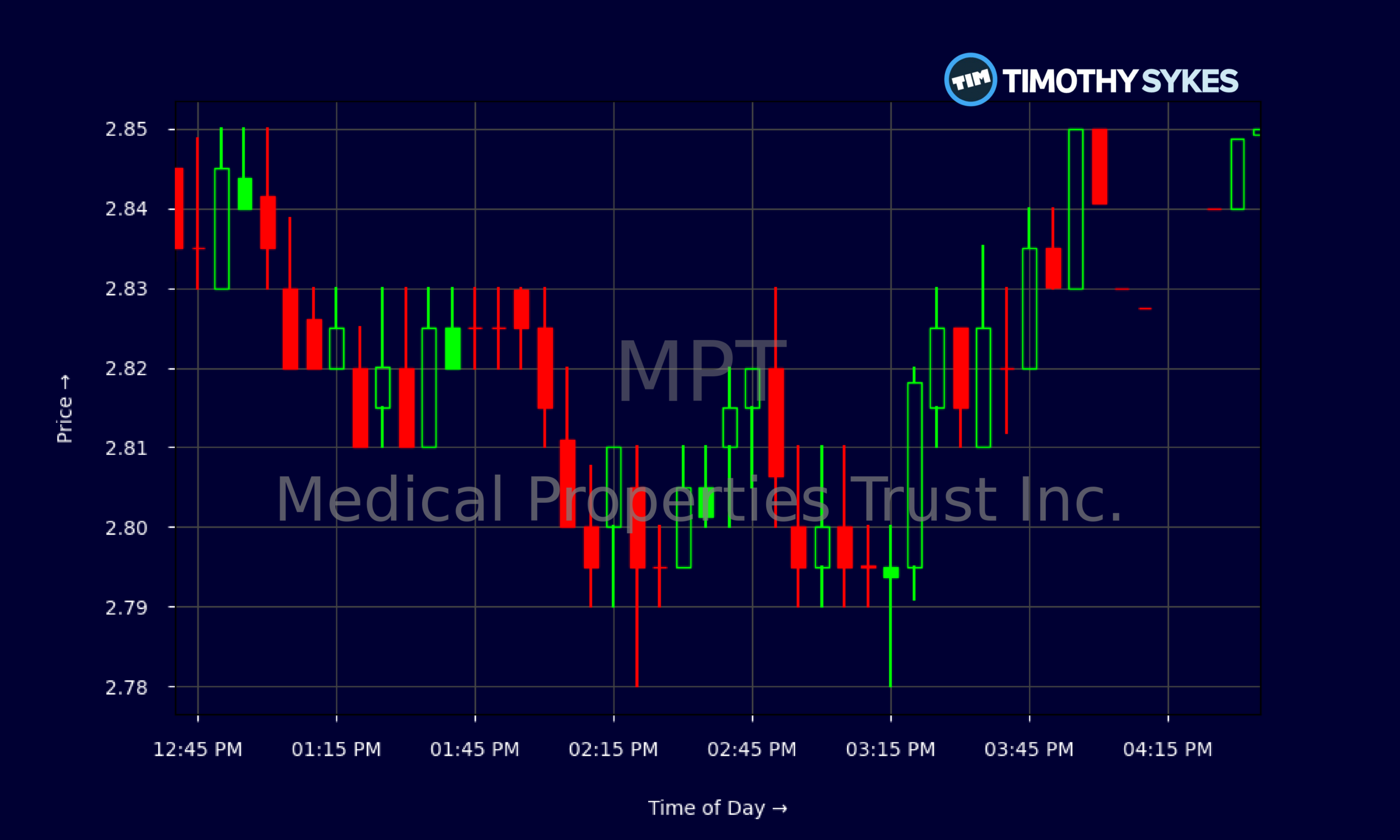
Live Update At 16:46:30 EDT: On Monday, October 19, 2026 Medical Properties Trust Inc. stock [NYSE: MPT] is trending down by -5.44%! Discover the key drivers behind this movement as well as our expert analysis in the detailed breakdown below.
Quick Financial Overview
Medical Properties Trust Inc. sits in a classic “show me” zone for traders. On the income side, MPT prints roughly $259.3M in quarterly revenue with a huge 97% gross margin, which looks amazing at first glance. But once you factor in interest expense and write‑downs, net income flips negative, with about -$2.6M in the latest quarter and EPS around -$0.01. That disconnect is key.
On the balance sheet, Medical Properties Trust Inc. controls about $14.7B in assets, but long‑term debt of roughly $9.0B and total liabilities over $10.2B tell you this is a leveraged REIT story. Debt‑to‑equity above 2 and interest coverage near 1 leave very little room for error if rates stay high or rents wobble.
More Breaking News
Cash flow is where MPT shows some resilience. Operating cash flow is about $62.4M in the quarter, and free cash flow comes in positive despite capital spending and portfolio moves. That helps fund the $0.09 quarterly dividend, which annualizes to $0.36 and gives Medical Properties Trust Inc. an eye‑catching yield near 12%. But traders should read that yield as a risk flag, not a free lunch.
Why Traders Are Watching The $3 Area
On the chart, Medical Properties Trust Inc. has been grinding lower for weeks. Daily data shows MPT rolling from closes around $3.60 on 2026/09/24 down to about $2.85 on 2026/10/19. That’s roughly a 20% slide in less than a month, with lower highs and lower lows the whole way. For MPT traders, that’s a clear downtrend until proven otherwise.
Zooming into intraday action, the story shifts from free‑fall to tug‑of‑war. Today’s 5‑minute candles show MPT opening near $3.00, failing to hold that level, and then spending most of the session between $2.79 and $2.87. The stock never broke $3 again, but it also didn’t crack hard below $2.80. That kind of tight consolidation after a selloff often signals indecision and can set up either a relief bounce or a fresh leg down.
For short‑term traders who love range‑bound action, Medical Properties Trust Inc. at $2.80–$2.85 is a pattern‑recognition playground. You have a clear intraday support band around $2.79–$2.80 and nearby resistance up near $2.90–$3.00. Breaks above or below those levels with volume can give clean risk/reward setups.
Swing traders, on the other hand, are more focused on the broader MPT picture: a beaten‑down REIT with a low price‑to‑book around 0.42, rich cash yield, but very real balance‑sheet risk. When a stock like Medical Properties Trust Inc. trades this far below book value, the market is pricing in serious doubts about asset quality, refinancing, or both. That skepticism is what fuels volatility — and why disciplined trading plans matter here.
Conclusion
Medical Properties Trust Inc. is not a quiet, sleep‑at‑night income play. It’s a leveraged healthcare REIT sitting around $2.80 after a steady selloff, with a double‑digit yield and a chart that still points down. The fundamentals are mixed: MPT throws off solid operating cash flow and enjoys fat accounting margins, yet carries heavy debt and posts negative bottom‑line earnings.
For active traders, that combination is exactly what creates opportunity. Medical Properties Trust Inc. offers clean technical levels, strong intraday liquidity at these prices, and a constant tug‑of‑war between yield chasers and balance‑sheet skeptics. The key is to treat MPT as a trade, not a hope.
Tim Sykes loves to say, “The market doesn’t care about your opinion, only your discipline.” Apply that here. As millionaire penny stock trader and teacher Tim Sykes, says, “Small gains add up over time; focus on building wealth gradually, not chasing jackpots.”. That mindset fits perfectly with a speculative ticker like Medical Properties Trust Inc.: think in terms of disciplined, rule‑based trading, not swinging for home runs on a troubled REIT. Map out your support and resistance, size small, and cut losses fast if Medical Properties Trust Inc. loses the $2.80 area with volume. If MPT starts reclaiming $3.00 and building higher lows, there’s room for a bounce — but let the price action confirm it first.
As always, this is educational and research content only, not advice. Traders in Medical Properties Trust Inc. should rely on their own research, risk tolerance, and trading rules before making any move.
This is stock news, not investment advice. Timothy Sykes News delivers real-time stock market news focused on key catalysts driving short-term price movements. Our content is tailored for active traders and investors seeking to capitalize on rapid price fluctuations, particularly in volatile sectors like penny stocks. Readers come to us for detailed coverage on earnings reports, mergers, FDA approvals, new contracts, and unusual trading volumes that can trigger significant short-term price action. Some users utilize our news to explain sudden stock movements, while others rely on it for diligent research into potential investment opportunities.
Dive deeper into the world of trading with Timothy Sykes, renowned for his expertise in penny stocks. Explore his top picks and discover the strategies that have propelled him to success with these articles:
- Penny Stocks Trading Guide
- Best Penny Stocks Under $1 to Buy Today
- Top 8 Penny Stocks to Watch on Robinhood
Once you’ve got some stocks on watch, elevate your trading game with StocksToTrade the ultimate platform for traders. With specialized tools for swing and day trading, StocksToTrade will guide you through the market’s twists and turns.
Dig into StocksToTrade’s watchlists here:





Leave a reply