

AGNC Investment Corp. stocks have been trading down by -3.67 percent amid heightened concerns over mortgage-backed securities and interest-rate risks.
Key Takeaways
- JPMorgan cut AGNC Investment’s price target from $11 to $8 with a Neutral rating, calling rising rates a near‑term headwind ahead of Q3 earnings.
- Bank of America lowered its AGNC Investment target from $10.50 to $8.50, highlighting a tough Q3 for agency mortgage REITs as rates climbed and spreads widened.
- Keefe Bruyette trimmed its AGNC Investment target to $9 from $11 but kept a Market Perform stance.
- Street consensus on AGNC Investment still sits at an average Hold with a mean price target of $10.39.
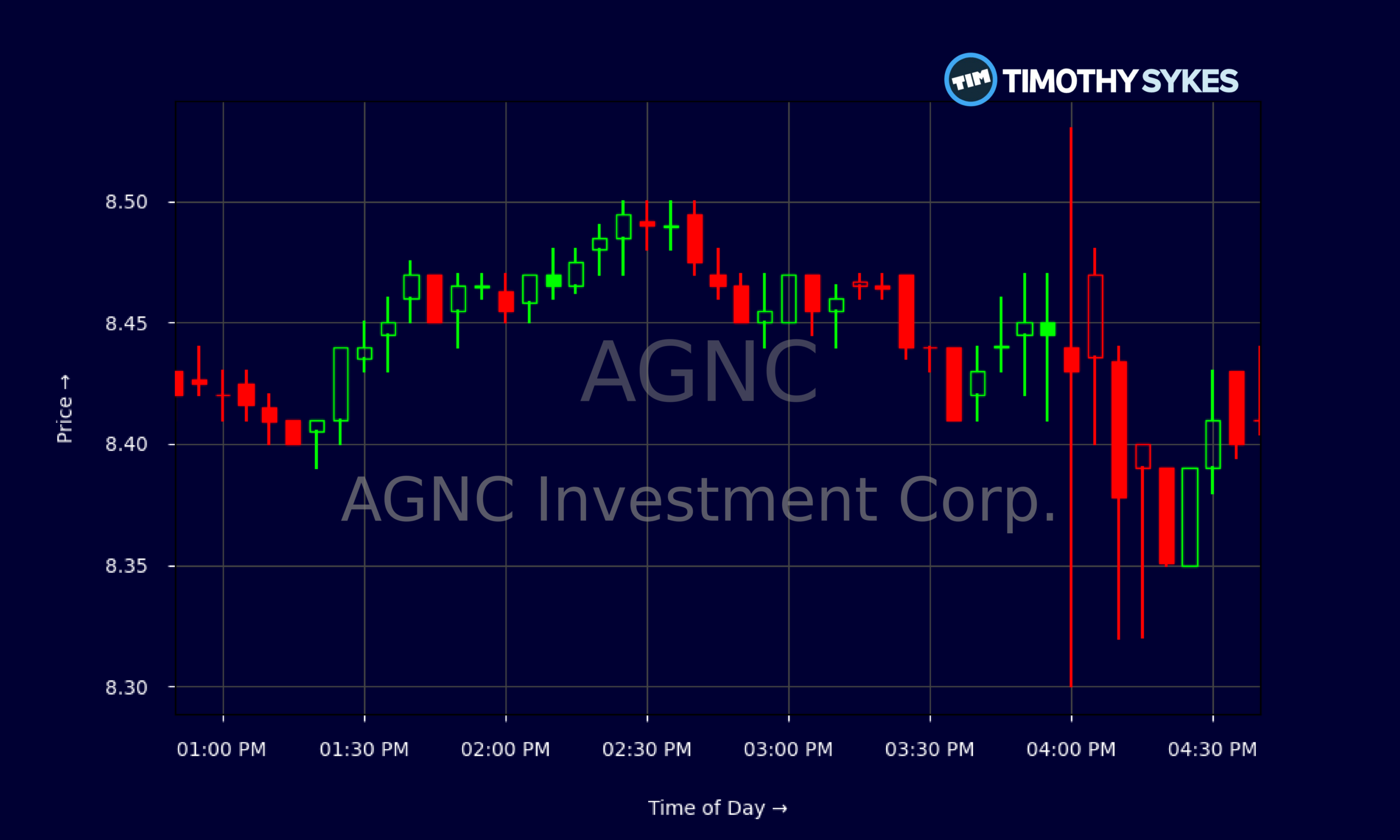
Live Update At 16:46:36 EDT: On Monday, October 19, 2026 AGNC Investment Corp. stock [NASDAQ: AGNC] is trending down by -3.67%! Discover the key drivers behind this movement as well as our expert analysis in the detailed breakdown below.
Quick Financial Overview
AGNC Investment Corp. is trading like a steady but pressured income vehicle. Over the past few weeks, AGNC has faded from around $9.90 on 2026/09/24 to $8.44 on 2026/10/19. That’s a clear downtrend into the string of price‑target cuts. Day‑to‑day ranges are tight, usually just $0.20–$0.30, which tells traders this is more of a grind lower than a panic flush.
Intraday on 2026/10/19, AGNC mostly chopped between $8.40 and $8.50, with liquidity and small candles dominating the tape. That kind of action favors scalpers and range traders, not breakout chasers.
More Breaking News
Fundamentally, AGNC posted $684M in quarterly revenue and $654M in net income, with a strong 21.67% return on equity. The price‑to‑earnings ratio near 4.4 and price‑to‑book around 0.97 show AGNC stock trading roughly in line with book value, not at a rich premium. The 16%+ indicated dividend yield and $1.44 annual dividend rate stand out, but traders know such a high yield often signals perceived risk. With a leverage ratio of 11.5, AGNC remains highly sensitive to rate moves, which is exactly what Wall Street is flagging.
Why Traders Are Watching AGNC’s Downgraded Targets
AGNC Investment is squarely in the crosshairs after a cluster of cautious calls from big banks. JPMorgan kicked off the pressure by cutting its AGNC price target from $11 to $8, holding a Neutral rating and bluntly pointing to rising interest rates as a near‑term drag on mortgage REITs. For AGNC traders, that’s a clear message: the macro is in the driver’s seat heading into Q3 earnings.
Bank of America then piled on, slashing its AGNC Investment target from $10.50 to $8.50, again with a Neutral stance. The bank framed Q3 as a rough quarter for agency mortgage REITs generally, with higher rates and wider spreads weighing on book values and funding costs. That’s important. The tone is sector‑driven, not a company‑specific blow‑up, but it still caps short‑term enthusiasm for AGNC stock.
Keefe Bruyette, a mortgage‑focused shop, also trimmed its AGNC target to $9 from $11 while keeping a Market Perform rating. When the specialists pull back expectations, traders take notice.
Yet the story isn’t one‑way bearish. Across the Street, AGNC Investment still carries an average Hold rating with a mean price target of $10.39, well above the recent $8s trading range. That gap between current price, trimmed targets, and higher consensus levels is exactly where active traders hunt. AGNC can become a battleground: rate‑driven fear on one side, yield‑hunters and mean‑reversion traders on the other.
Conclusion
AGNC Investment Corp. is showing what happens when a high‑yield, rate‑sensitive name runs straight into a tightening cycle. The stock has slipped from the mid‑$9s to the mid‑$8s while JPMorgan, Bank of America, and Keefe Bruyette all marked down their AGNC price targets into an $8–$9 zone. None of them threw a Sell flag, but Neutral and Market Perform ratings tell traders to temper expectations and respect the macro headwinds.
At the same time, AGNC’s fundamentals still speak loudly. Profitability is solid, return on equity is strong, and the price‑to‑book ratio sits near 1. The double‑digit yield on AGNC stock attracts attention, but in this game, yield is never free. It’s the market’s way of pricing in risk around rates, leverage, and potential book‑value swings.
For short‑term traders, AGNC is a chart to stalk, not blindly chase. Tight intraday ranges and clear support around the low‑$8s give defined risk levels; any sharp reaction into Q3 earnings or rate headlines can create clean, technical setups. As Tim Sykes likes to say, “Discipline and rules — especially cutting losses quickly — are the only things that keep you safe in the long run.” As millionaire penny stock trader and teacher Tim Sykes, says, “Consistency is key in trading; don’t let emotions dictate your trades.”. Apply that mindset to AGNC, trade the price action, and let the big banks argue over the targets.
This is stock news, not investment advice. Timothy Sykes News delivers real-time stock market news focused on key catalysts driving short-term price movements. Our content is tailored for active traders and investors seeking to capitalize on rapid price fluctuations, particularly in volatile sectors like penny stocks. Readers come to us for detailed coverage on earnings reports, mergers, FDA approvals, new contracts, and unusual trading volumes that can trigger significant short-term price action. Some users utilize our news to explain sudden stock movements, while others rely on it for diligent research into potential investment opportunities.
Dive deeper into the world of trading with Timothy Sykes, renowned for his expertise in penny stocks. Explore his top picks and discover the strategies that have propelled him to success with these articles:
- Penny Stocks Trading Guide
- Best Penny Stocks Under $1 to Buy Today
- Top 8 Penny Stocks to Watch on Robinhood
Once you’ve got some stocks on watch, elevate your trading game with StocksToTrade the ultimate platform for traders. With specialized tools for swing and day trading, StocksToTrade will guide you through the market’s twists and turns.
Dig into StocksToTrade’s watchlists here:




Leave a reply