

DataMeds AI Inc. surged as a landmark hospital partnership drove confidence, and its stocks have been trading up by 16.32 percent.
Key Takeaways
- Humana Medicaid coverage for Helomics’ ChemoFx cancer test sent MEDS up more than 24–38% premarket as traders re-rated the oncology story.
- Corexa Pharmacy revenue topped $1M in September 2026, over 66% above July, with MEDS jumping about 35% premarket on the update.
- Launch of the Health Lives Here GLP‑1 app with Tollo Health drove a 22.5–39% surge in MEDS on heavy trading volume.
- Litigation settlements removed roughly $19M of liabilities and 364,099 shares, tightening the DataMeds AI capital structure.
- Exclusive GLP‑1 rights from REBOOT Health AI deepen the Health Lives Here subscription and cross‑selling model for MEDS.
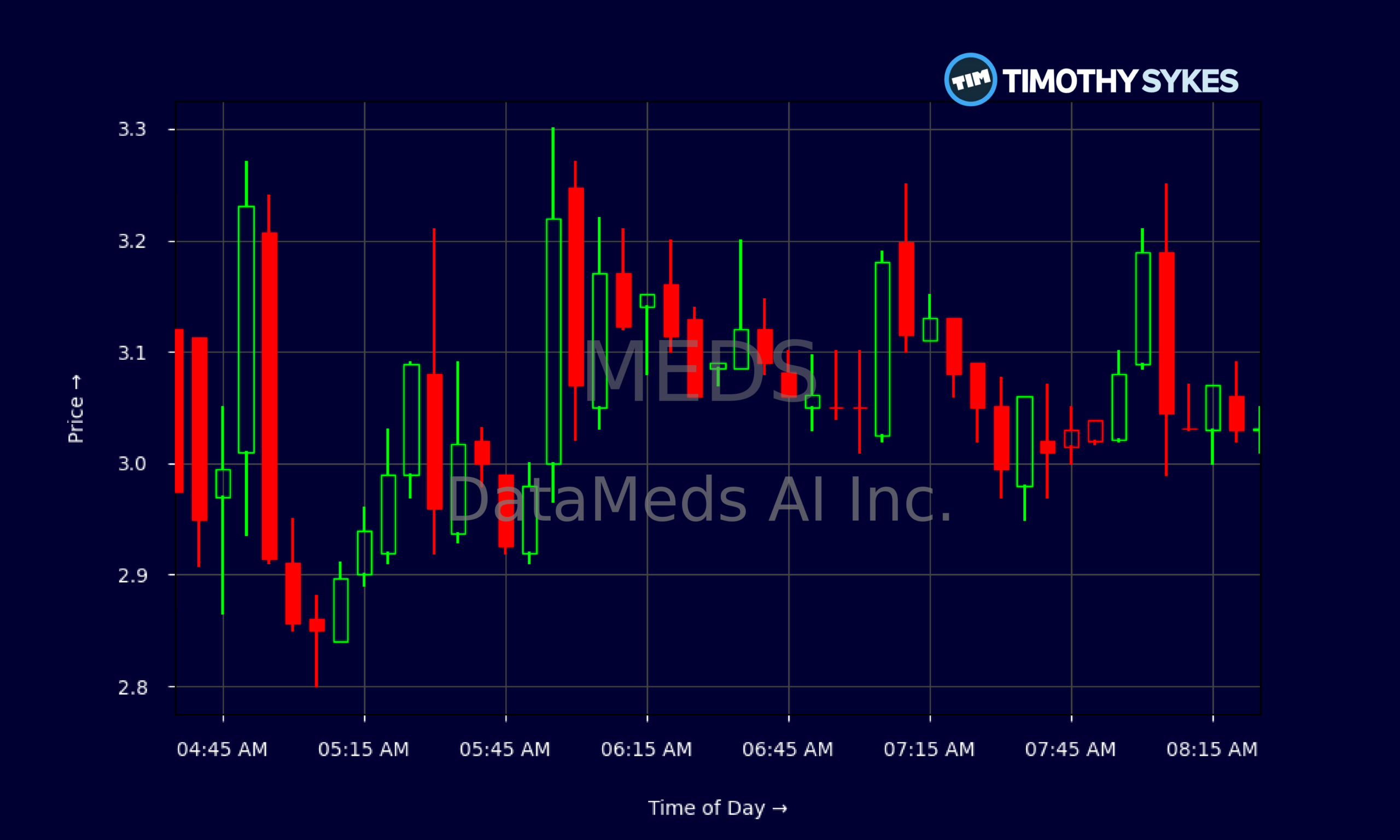
Live Update At 08:32:20 EDT: On Monday, October 19, 2026 DataMeds AI Inc. stock [NASDAQ: MEDS] is trending up by 16.32%! Discover the key drivers behind this movement as well as our expert analysis in the detailed breakdown below.
Quick Financial Overview
DataMeds AI, trading under ticker MEDS, is acting like a classic high‑volatility small cap: ugly fundamentals today, but explosive moves around each catalyst. On the surface, the numbers look rough. Recent filings show about $23.3M in trailing revenue, yet MEDS is still burning cash, with free cash flow around -$3.1M and operating cash flow near -$2.9M. Profitability ratios are deeply negative, and return on assets below -100% screams turnaround, not stability.
The balance sheet is tight. MEDS reported only about $2.5M in cash at period end and a very low current ratio near 0.1, meaning short‑term obligations heavily outweigh liquid assets. Stockholders’ equity is negative, so traders are clearly paying for future potential rather than present strength.
More Breaking News
Now look at the chart. In late September, MEDS ran from the low $3s toward the mid‑$4s on news, then pulled back into the mid‑$2s to low‑$3s range. Recent daily candles show sharp intraday ranges and frequent reversals, classic for momentum names. Intraday five‑minute data shows MEDS whipping between roughly $2.90 and $3.25 with repeated tests of the same levels, a sign of active day‑trading. For short‑term traders, MEDS trades like a catalyst‑driven rollercoaster: big spikes, fast fades, and plenty of liquidity around headlines.
Why Traders Are Watching MEDS Right Now
Traders are glued to MEDS because the news flow is lining up one catalyst after another. The biggest spark came when DataMeds AI’s Helomics unit secured Humana Medicaid coverage for the ChemoFx chemoresponse assay in gynecologic cancers. That is not just a press‑release headline. It opens up reimbursed testing under specific CPT codes and gives Helomics a clear path to paid volume. The market understood that immediately—MEDS ripped more than 24–38% premarket on heavy trading as this coverage determination hit.
That move followed another strong headline: Corexa Pharmacy, a key DataMeds AI unit, reported more than $1M in preliminary September 2026 revenue, over 66% higher than July. Traders love hard numbers, and this is real top‑line growth, not just a pipeline promise. The stock reacted with a roughly 35% premarket spike, showing how sensitive MEDS is to any sign that the business can scale.
Then comes the GLP‑1 story. DataMeds AI and Tollo Health launched the Health Lives Here mobile app focused on patients using GLP‑1 drugs, integrating telehealth, pharmacy, nutrition, wearables, and behavioral health. In a market obsessed with weight‑loss plays, that kind of exposure is gasoline. MEDS surged 22.5–39% on heavy volume after the launch, pulling in momentum and breakout traders who chase anything tied to the GLP‑1 wave.
MEDS is also layering in more pieces around this ecosystem. The company secured exclusive U.S. direct‑to‑consumer rights from REBOOT Health AI for a GLP‑1 weight management platform, with a subscription and revenue‑sharing model. It outlines plans to use Corexa’s compounding and distribution to ride the FDA’s proposed peptide compounding policy, and it is pushing its EinsteinRx AI and PharmacyChain blockchain tools at major telehealth events. Add in the Helomics litigation settlement that removed around $19M in liabilities and retired 364,099 shares, plus cost cuts in corporate overhead, and you get a classic “story stock” setup: a cleaner balance sheet, hot themes in GLP‑1 and oncology AI, and a tape that rewards every perceived win with violent upside.
Conclusion
For active traders, MEDS is a live example of how small caps trade when the story, not the current income statement, is in control. DataMeds AI has weak profitability today and a stressed balance sheet, yet each operational milestone—Humana Medicaid coverage, Corexa Pharmacy crossing $1M in monthly revenue, the Health Lives Here GLP‑1 build‑out—has triggered sharp price spikes in MEDS. That tells you where the focus is: reimbursement wins, revenue acceleration, and proof that the digital health and oncology ecosystem can actually monetize.
At the same time, the same leverage that drives those big green candles in MEDS also cuts the other way. Negative equity, low liquidity, and ongoing cash burn leave almost no margin for execution error. Any stumble in ChemoFx adoption, GLP‑1 subscription traction, or peptide compounding strategy can flip sentiment fast, and the chart shows how brutal the pullbacks can be once the initial news euphoria fades.
This is exactly the kind of setup Tim Sykes talks about when he says, “Volatile small caps with real catalysts are great trading vehicles if you cut losses quickly and never believe the hype more than the price action.” As millionaire penny stock trader and teacher Tim Sykes says, “Consistency is key in trading; don’t let emotions dictate your trades.” MEDS fits that mold. The catalysts are real, the themes are hot, and the volatility is very much alive. For traders using MEDS as a case study, the lesson is simple: map the news, track the levels, trade the momentum, and always respect the risk. This content is for educational and research purposes only and is not investment advice.
This is stock news, not investment advice. Timothy Sykes News delivers real-time stock market news focused on key catalysts driving short-term price movements. Our content is tailored for active traders and investors seeking to capitalize on rapid price fluctuations, particularly in volatile sectors like penny stocks. Readers come to us for detailed coverage on earnings reports, mergers, FDA approvals, new contracts, and unusual trading volumes that can trigger significant short-term price action. Some users utilize our news to explain sudden stock movements, while others rely on it for diligent research into potential investment opportunities.
Dive deeper into the world of trading with Timothy Sykes, renowned for his expertise in penny stocks. Explore his top picks and discover the strategies that have propelled him to success with these articles:
- Penny Stocks Trading Guide
- Best Penny Stocks Under $1 to Buy Today
- Top 8 Penny Stocks to Watch on Robinhood
Once you’ve got some stocks on watch, elevate your trading game with StocksToTrade the ultimate platform for traders. With specialized tools for swing and day trading, StocksToTrade will guide you through the market’s twists and turns.
Dig into StocksToTrade’s watchlists here:





Leave a reply