

Joby Aviation Inc. stocks have been trading up by 13.07 percent after upbeat certification progress fueled strong investor optimism.
Key Takeaways For JOBY Traders
- Q3 revenue hit $55M versus $39M expected, with a smaller $0.22 per-share loss compared with the $0.25 Street view.
- FY26 revenue outlook was raised to $135M–$140M, well above prior guidance and consensus, pointing to a steeper commercial ramp.
- The company moved into the fifth and final FAA certification stage while flying piloted eVTOL demos across Florida under a White House-backed program.
- New AFWERX awards lifted U.S. Air Force autonomy commitments to nearly $37M and raised the testing contract ceiling to $50M.
- JOBY also completed what it believes is the first fully autonomous civilian flight across the U.S., helping drive about a 5% after-hours stock move.
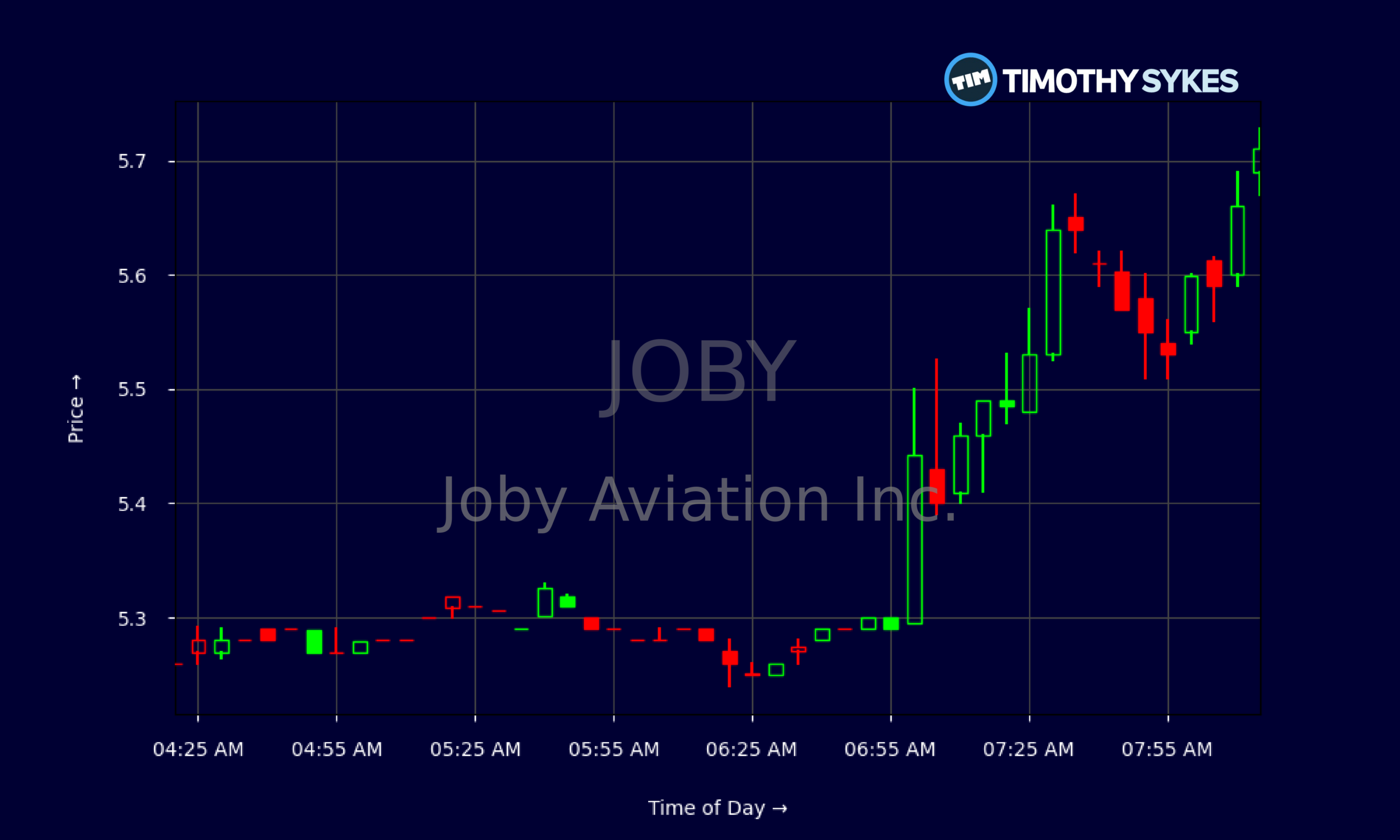
Live Update At 08:19:05 EST: On Thursday, November 05, 2026 Joby Aviation Inc. stock [NYSE: JOBY] is trending up by 13.07%! Discover the key drivers behind this movement as well as our expert analysis in the detailed breakdown below.
Quick Financial Overview
JOBY is finally backing its story with numbers. For Q3, Joby Aviation Inc. reported $55M in revenue, crushing the roughly $39M consensus. That means JOBY is pulling in far more early money from government contracts and test operations than most on the Street expected. The loss came in at $0.22 per share, slightly better than the $0.25 loss forecast, showing steady cost discipline even as the company spends heavily.
On the chart, JOBY has been grinding higher from the mid‑$4s. Over the last few weeks, the stock has moved from closes around $4.60–$4.70 to roughly $5.05, with intraday spikes above $5.20. That is not a parabolic move, but it is a clear uptrend with higher lows. Pre‑market five‑minute candles now show JOBY holding the low‑$5s to mid‑$5s, signaling dip buyers are active.
More Breaking News
Fundamentals still look like a pre‑revenue aerospace name: margins are deep in the red, price‑to‑sales is elevated, and free cash flow is sharply negative. But JOBY’s massive current ratio near 18 and sizable cash pile give it breathing room. For traders, this is a classic “high burn, high potential” story where sentiment can swing fast on each data point.
Why Traders Are Watching JOBY’s Momentum Build
This quarter feels different for JOBY. The stock’s roughly 5% after‑hours pop came after a one‑two punch: Joby Aviation beat on both Q3 revenue and earnings while also raising its 2026 revenue guidance. JOBY now targets $135M–$140M for FY26, up from $115M–$125M and above the $120M–$123M range many on the Street were using. That kind of guidance hike in a pre‑commercial name tells traders management sees real line of sight to scaled operations.
At the same time, JOBY is moving into the fifth and final stage of FAA type certification, with substantial “for credit” testing underway. For a heavily regulated space like eVTOL, that is huge. It means the FAA is now counting more of JOBY’s work directly toward final approval, not just exploratory testing. When a name like Joby Aviation Inc. gets this close to the finish line, every regulatory headline matters for trading.
On the operations side, JOBY is not just sitting in hangars. The company is flying a week‑long series of piloted electric air taxi demos across Florida under a White House‑backed Integration Pilot Program, working with the Florida Department of Transportation to map an “Aerial Highway Network.” That puts JOBY aircraft over real cities in a key tourism and travel corridor while feeding data back to the FAA.
Layer in JOBY’s Blade unit relaunching premium BLADEone jet service to Miami and Palm Beach, and you see a broader ecosystem strategy taking shape. The brand shows up in both futuristic eVTOL demos and high‑end jet shuttles, building awareness and operating chops in parallel. For momentum traders, this combination of guidance strength, regulatory progress, and visible flight activity explains why JOBY is back on the radar.
Conclusion
The most striking part of this JOBY story is how the tech narrative and the money narrative are finally lining up. On the tech side, Joby Aviation Inc. completed what it believes is the first fully autonomous civilian aircraft flight across the U.S. with its J208 platform. That is not just a photo op. It is a proof point that JOBY’s autonomy stack works over long distances and complex airspace.
The U.S. Air Force is effectively validating that autonomy push with cash. Through AFWERX and related programs, total Air Force commitments tied to JOBY’s autonomous‑flight tech are now nearly $37M, and the ceiling on its operational testing contract has been raised to $50M. For traders, that is non‑dilutive capital funding real‑world Pacific logistics testing and software development. It also adds a defense optionality angle that many eVTOL peers do not yet have.
The catch is the burn. Management flagged heavy cash use of $385M–$415M in the back half of 2026 to pay for certification, manufacturing build‑out, and launch prep. JOBY’s balance sheet is strong today, but this is still a race between commercialization and cash outflows.
For active traders, JOBY is the definition of a catalyst‑driven, story‑plus‑numbers setup. As Tim Sykes likes to say, “Volatility is opportunity, but only if you’re prepared.” That mindset pairs with another key trading reminder: As millionaire penny stock trader and teacher Tim Sykes, says, “It’s not about how much money you make; it’s about how much money you keep.”. JOBY’s chart, contracts, and milestones all suggest more volatility ahead. Traders who track the news, respect risk, and cut losses fast will be best positioned to learn from how this name trades, whether JOBY’s next big move is up or down.
This is stock news, not investment advice. Timothy Sykes News delivers real-time stock market news focused on key catalysts driving short-term price movements. Our content is tailored for active traders and investors seeking to capitalize on rapid price fluctuations, particularly in volatile sectors like penny stocks. Readers come to us for detailed coverage on earnings reports, mergers, FDA approvals, new contracts, and unusual trading volumes that can trigger significant short-term price action. Some users utilize our news to explain sudden stock movements, while others rely on it for diligent research into potential investment opportunities.
Dive deeper into the world of trading with Timothy Sykes, renowned for his expertise in penny stocks. Explore his top picks and discover the strategies that have propelled him to success with these articles:
- Penny Stocks Trading Guide
- Best Penny Stocks Under $1 to Buy Today
- Top 8 Penny Stocks to Watch on Robinhood
Once you’ve got some stocks on watch, elevate your trading game with StocksToTrade the ultimate platform for traders. With specialized tools for swing and day trading, StocksToTrade will guide you through the market’s twists and turns.
Dig into StocksToTrade’s watchlists here:





Leave a reply