
Infosys Limited stocks have been trading up by 3.29 percent amid optimism over strong digital transformation and AI deal wins.
Key Takeaways For INFY Traders
- Deepening work with Truist on an AI‑first Global Capability Center in Hyderabad puts INFY at the core of a major U.S. bank’s digital overhaul.
- Springboard Livelihood Program from Infosys Foundation has already enabled over 250,000 job offers in India, halfway to its 500,000 target by 2030.
- INFY ADRs have logged multiple winning sessions, at times popping roughly 3%–5% even when the wider S&P Asia 50 ADR Index was red.
- A U.S. Labor Department PERM program suspension for Infosys and peers adds regulatory noise around talent access and short‑term sentiment.
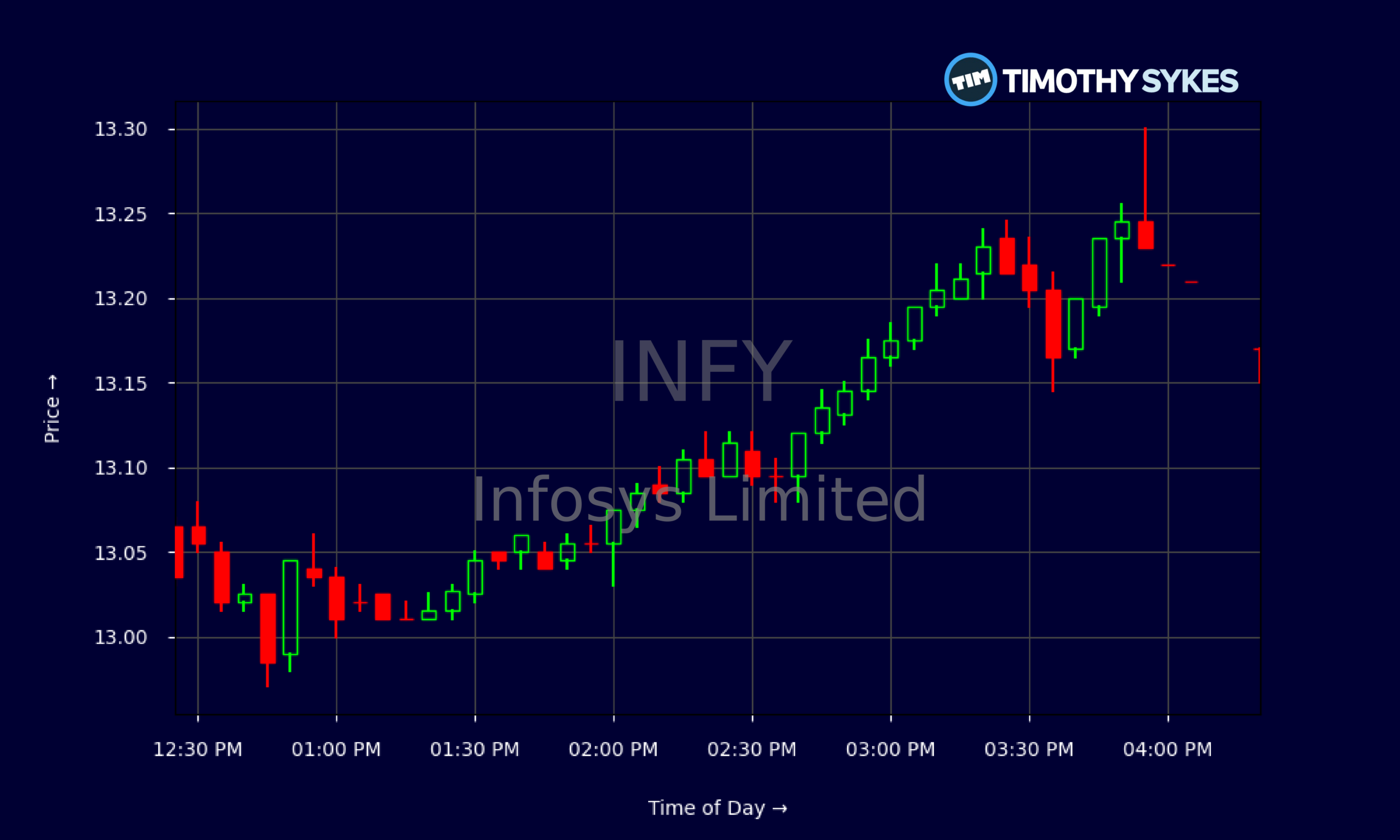
Live Update At 16:46:41 EDT: On Thursday, October 22, 2026 Infosys Limited stock [NYSE: INFY] is trending up by 3.29%! Discover the key drivers behind this movement as well as our expert analysis in the detailed breakdown below.
Quick Financial Overview
INFY is acting like a slow but steady up‑trend on the daily chart. In late September, the ADR was trading around $10.50. By 2026/10/22, it closed near $13.22. That is roughly a 25% climb in less than a month, with higher lows building from 2026/10/08 onward. For short‑term traders, that is the kind of staircase pattern you want to see, not a straight vertical spike.
Intraday on 2026/10/22, INFY spent most of the session grinding between $13.00 and $13.25. The five‑minute candles show tight ranges and a close right near the high of the day. That tells traders dip buyers were in control into the close, not profit‑takers.
More Breaking News
On the fundamentals, Infosys Limited prints about $19.28B in revenue with a pretax margin near 20.9%. A price‑to‑earnings ratio around 13.4 and price‑to‑sales around 4.3 put INFY in a “quality but not nosebleed” valuation zone. Return on equity above 12% and a dividend yield just over 4% show a mature cash‑generating services giant. For traders, that means INFY is more of a steady compounder backdrop where news and sentiment swings can create tradable waves on top of a solid base.
Why Traders Are Watching INFY Right Now
The main story pulling active traders toward INFY this week is the expanding partnership with Truist. Infosys Limited is helping Truist build and scale an AI‑first Global Capability Center in Hyderabad. This is not a small pilot. Truist is consolidating multiple Indian suppliers into a more unified, Infosys‑centered model. In trader language, that is share‑of‑wallet expansion with a marquee U.S. financial client.
INFY is using its AI tools and a Build‑Operate‑Transfer structure to run the center, then eventually hand operations back to Truist. Deals like this tend to be sticky. Once a bank centralizes its tech in one partner’s ecosystem, ripping it out later is painful. That supports visibility for INFY revenue and keeps sentiment constructive when traders scan for large‑cap IT names aligned with the AI theme.
The tape has been backing up that story. Across several recent U.S. sessions, Infosys ADRs showed relative strength. On one day, INFY gained roughly 3%–5% while the S&P Asia 50 ADR Index actually fell 0.63%. On other days, Asian ADRs were flat, but INFY still closed higher alongside a small group of regional winners. There was even a session where INFY was the only South Asian gainer called out, up about 0.6%.
For momentum traders, that matters. When a name like INFY repeatedly shows up on the green list while its peers chop sideways, it signals underlying accumulation. Combine that with a clear fundamental catalyst — the Truist AI center — and you get a cleaner narrative to trade around.
At the same time, Infosys Limited is pushing a big social‑impact angle through the Infosys Foundation Springboard Livelihood Program. Hitting 250,000 job offers in India on the way to a 500,000 target by 2030 does not move today’s earnings. But it strengthens the INFY brand, helps build the talent pipeline, and plays well with global clients that care about ESG and skills development. For swing traders who track reputation and contract wins, this is another soft tailwind behind the chart.
The one cloud in the story is regulatory. The U.S. Labor Department has suspended Infosys, along with Microsoft, Adobe, Cognizant and others, from a PERM immigration‑related program amid federal investigations. Details are limited, but markets usually hate uncertainty around visas and talent mobility. That headline added pressure to IT services names earlier in October and remains an overhang that news‑sensitive traders must respect.
Conclusion
Putting it together, INFY sits at an interesting crossroads for active traders. On one side, you have a strong, AI‑heavy deal with Truist, ongoing gains in the ADRs, and a dividend‑paying, high‑margin business behind the ticker. On the other, you have a U.S. regulatory storyline tied to the PERM immigration program that can flare up on any new headline and shake confidence in the near term.
The recent price action suggests the bullish forces have been winning, at least for now. INFY has marched from the low‑$10s into the low‑$13s with controlled pullbacks and intraday support buying. That is the type of structure breakout and trend traders like to stalk. If the Truist AI build‑out continues to generate positive press and more banking work for Infosys Limited, the market will keep rewarding that execution.
But this is where discipline comes in. No matter how strong the story looks, regulatory risk and macro swings in Asian ADRs can knock a stock like INFY off its path without warning. As Tim Sykes and Tim Bohen constantly remind their communities, “Patterns repeat, but they don’t work every time — that’s why you cut losses quickly and never marry a stock.” As millionaire penny stock trader and teacher Tim Sykes says, “It’s not about how much money you make; it’s about how much money you keep.” For traders studying INFY, the job is to respect the up‑trend, track the headlines, and trade the setup — not the story. This article is for educational and research purposes only and is not investment advice.
This is stock news, not investment advice. Timothy Sykes News delivers real-time stock market news focused on key catalysts driving short-term price movements. Our content is tailored for active traders and investors seeking to capitalize on rapid price fluctuations, particularly in volatile sectors like penny stocks. Readers come to us for detailed coverage on earnings reports, mergers, FDA approvals, new contracts, and unusual trading volumes that can trigger significant short-term price action. Some users utilize our news to explain sudden stock movements, while others rely on it for diligent research into potential investment opportunities.
Dive deeper into the world of trading with Timothy Sykes, renowned for his expertise in penny stocks. Explore his top picks and discover the strategies that have propelled him to success with these articles:
- Penny Stocks Trading Guide
- Best Penny Stocks Under $1 to Buy Today
- Top 8 Penny Stocks to Watch on Robinhood
Once you’ve got some stocks on watch, elevate your trading game with StocksToTrade the ultimate platform for traders. With specialized tools for swing and day trading, StocksToTrade will guide you through the market’s twists and turns.
Dig into StocksToTrade’s watchlists here:





Leave a reply