

Flagstar Bank N.A. faces heightened downside pressure as bearish news drives sentiment lower, with stocks have been trading down by -9.11 percent.
Key Takeaways
- Bank of America sees U.S. regional bank stocks stuck in a “languish” phase heading into Q3 earnings, even after big valuation cuts.
- The macro backdrop for regional lenders is now labeled tougher than earlier expectations, raising the bar for any upside surprise.
- Flagstar Bank, trading under ticker FLG, leads its peer group in downward Q3 EPS estimate revisions from BofA.
- The size of the EPS cuts for FLG highlights BofA’s view that the bank is more exposed to current macro headwinds than many regional rivals.
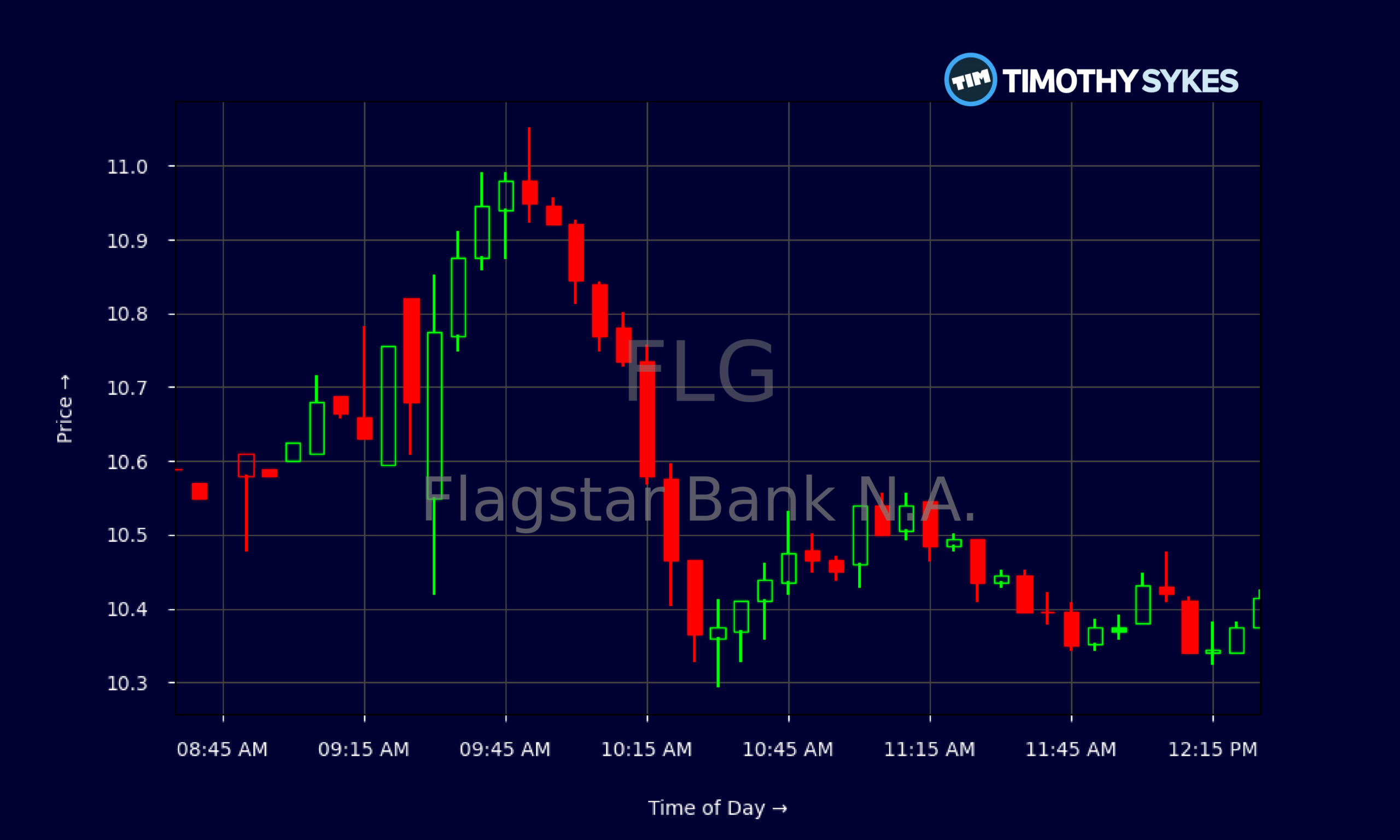
Live Update At 12:32:28 EDT: On Friday, October 23, 2026 Flagstar Bank N.A. stock [NYSE: FLG] is trending down by -9.11%! Discover the key drivers behind this movement as well as our expert analysis in the detailed breakdown below.
Quick Financial Overview
Flagstar Bank N.A., through FLG, is trading like a name under pressure. Over the last few weeks, FLG has slipped from the $12 area on 2026/09/28 to about $10.40, with a steady grind lower instead of a sharp crash. That tells traders the selling is controlled but persistent. The stock now trades at roughly 0.62 times book value, against book value per share near $18.40, so the market is clearly discounting the balance sheet and earnings power.
At the same time, FLG posts skinny profits. Last quarter, Flagstar generated about $516M in total revenue but only $34M in net income, for diluted EPS around $0.06. Net interest income of $440M is almost entirely eaten up by $450M in non‑interest expenses and $536M in interest expense. Margins stay tight: pretax margin sits negative on a GAAP basis, and return on assets hovers near zero.
More Breaking News
Yet FLG’s cash flow tells a more complex story. Operating cash flow of $226M and free cash flow of about $200M show the core franchise can still throw off cash, even while heavy securities purchases and loan activity drag on reported earnings. For traders, that mix — weak earnings, discounted valuation, but positive cash flow — usually sets up a “prove‑it” quarter where guidance and tone matter more than the raw EPS print.
Why Traders Are Watching FLG Into Q3 Earnings
The macro setup around FLG is not friendly. Bank of America has gone on record saying U.S. regional banks face a tougher‑than‑expected road into Q3 earnings. Even after a valuation derating across the group, BofA expects many of these stocks to “languish” as higher funding costs, slower loan growth, and nervous depositors weigh on sentiment. FLG sits right in the middle of that storm.
Within that bearish call, Flagstar Bank is singled out. BofA’s research tags FLG as leading its regional peer group in downward Q3 EPS revisions. That is not the list any bank wants to top. For active traders, when a name becomes the poster child for estimate cuts, it often turns into a sentiment barometer for the whole subgroup. If FLG disappoints, traders may assume the rest of the regional pack is struggling too.
The tape backs up the caution. On 2026/10/23, FLG opened around $10.55, tried to push above $11 early, then faded hard to close just under $10.40 — near the low of the day and well below the prior close of $11.44. Intraday, the 5‑minute chart shows a classic trend‑day down: an early pop, lower highs all morning, then a midday grind where every bounce stalls under the prior pivot. That intraday pattern tells short‑term traders that sellers are in control and dips are not being aggressively bought.
At the same time, the stock is already down from about $12 earlier in the month, so FLG is closer to support than resistance. When BofA waves a caution flag and the chart confirms weakness, many short‑biased traders lean in, but disciplined longs start building watchlists for potential over‑reaction. In that sense, FLG becomes a trading “teacher”: it shows how macro headlines, analyst cuts, and price action can all line up to create clean, directional setups.
Conclusion
FLG now sits at the crossroads of sector‑wide stress and name‑specific pressure. Flagstar Bank’s fundamentals show a mid‑cap lender with $87.7B in assets and over $67.5B in deposits, but only modest profitability and a heavy reliance on interest spread in a tricky rate environment. When Bank of America calls for U.S. regional banks to languish and then highlights FLG as leading downward Q3 EPS revisions, traders pay attention. That kind of call often shapes the narrative for weeks.
For short‑term trading, FLG’s slide from roughly $12 to near $10, combined with a discount to book value and weak margins, sets up a classic battleground. Bears point to negative pretax margins, leverage above 11x, and shrinking revenue over the last three years. Bulls point to positive operating cash flow, solid capital of about $8.1B in equity, and the chance that estimates have finally been cut enough.
Either way, FLG is now a “react to the news” ticker. The next earnings release, management’s tone on credit quality, and any shift in deposit costs are likely to drive sharp moves. As Tim Sykes loves to say, “The market doesn’t care about your opinion, only about price action and catalysts.” As millionaire penny stock trader and teacher Tim Sykes says, “You must adapt to the market; the market will not adapt to you.”. For educational purposes, FLG offers both: a clear macro catalyst from BofA’s downgrade and a chart that rewards traders who study the pattern, manage risk tightly, and stay nimble rather than hopeful.
This is stock news, not investment advice. Timothy Sykes News delivers real-time stock market news focused on key catalysts driving short-term price movements. Our content is tailored for active traders and investors seeking to capitalize on rapid price fluctuations, particularly in volatile sectors like penny stocks. Readers come to us for detailed coverage on earnings reports, mergers, FDA approvals, new contracts, and unusual trading volumes that can trigger significant short-term price action. Some users utilize our news to explain sudden stock movements, while others rely on it for diligent research into potential investment opportunities.
Dive deeper into the world of trading with Timothy Sykes, renowned for his expertise in penny stocks. Explore his top picks and discover the strategies that have propelled him to success with these articles:
- Penny Stocks Trading Guide
- Best Penny Stocks Under $1 to Buy Today
- Top 8 Penny Stocks to Watch on Robinhood
Once you’ve got some stocks on watch, elevate your trading game with StocksToTrade the ultimate platform for traders. With specialized tools for swing and day trading, StocksToTrade will guide you through the market’s twists and turns.
Dig into StocksToTrade’s watchlists here:



Leave a reply