

DXC Technology Company stocks have been trading up by 3.67 percent after reports of a potential acquisition boosted investor optimism.
Key Takeaways
- DXC Technology is partnering with LangChain to embed its LangGraph and LangSmith platforms into DXC’s OASIS agent framework for governed agentic AI in mission‑critical environments.
- The OASIS platform at DXC is scaling toward 125 customer environments, delivering major gains in incident‑resolution speed and diagnostic accuracy.
- DXC is upgrading its Assure Platform for insurers with AI and Smart Apps, now used by more than 275 customers, including enhanced London Market tools.
- The LangChain partnership positions DXC’s OASIS as a governed AI backbone for regulated industries that demand strict reliability and compliance.
- DXC has scheduled its Q2 FY2027 earnings release and webcast, where traders will look for concrete AI‑driven growth updates.
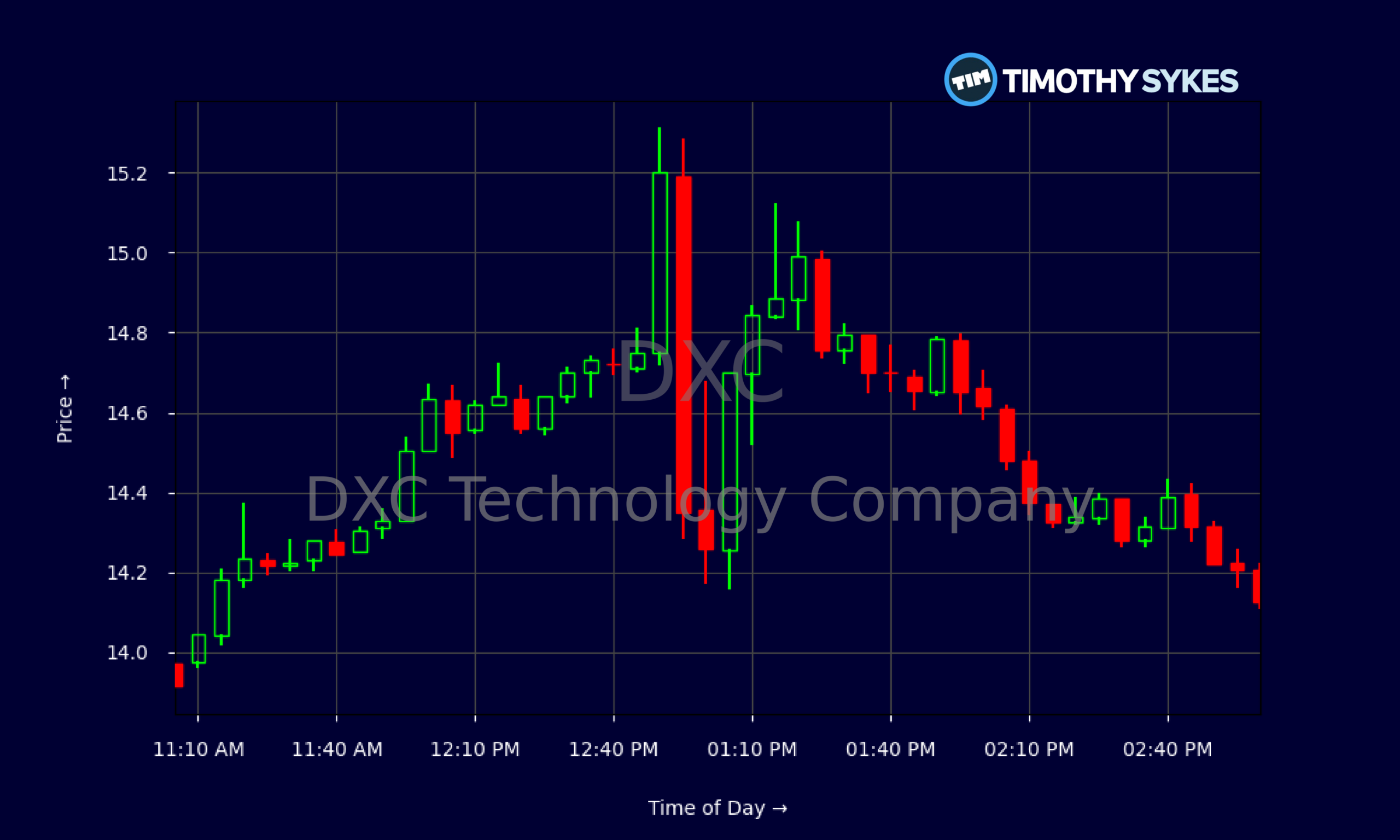
Live Update At 15:02:40 EDT: On Monday, October 19, 2026 DXC Technology Company stock [NYSE: DXC] is trending up by 3.67%! Discover the key drivers behind this movement as well as our expert analysis in the detailed breakdown below.
Quick Financial Overview
DXC is not trading like a high‑flyer, but the tape shows a steady grind higher. Over the past few weeks, DXC has moved from the $10s to the mid‑$14s, with the latest close around $14.13 after touching an intraday high of $15.31. That is a strong percentage move off the late‑September lows near $10.20, signaling a clear short‑term uptrend and growing interest from active traders.
Intraday, DXC showed a classic push‑pull pattern. The stock opened near $13.58 and pushed into the mid‑$15s by midday before consolidating in the mid‑$14s. For day traders, DXC offered multiple range breaks and clean pullbacks, the kind of action this community loves when volume supports it.
More Breaking News
Fundamentally, DXC generated roughly $3.0B in quarterly revenue with a modest EBIT margin around 5.7%. Net income was about $122M, and free cash flow hit $314M. With a price‑to‑sales near 0.16 and price‑to‑cash‑flow around 1.2, DXC trades like a turnaround value name, not a hype AI play. That discount, combined with improving cash generation, gives traders a clear narrative: if execution on AI and cost control continues, there is room for sentiment to re‑rate.
Why Traders Are Watching DXC’s AI Momentum
DXC has been around long enough that many traders view it as old‑school IT plumbing. The latest string of AI news forces a rethink. DXC Technology is now tying its future more tightly to governed, enterprise‑grade AI, and the partnership with LangChain is the centerpiece of that shift.
The company is embedding LangChain’s LangGraph and LangSmith into DXC’s OASIS agent framework. In plain English, DXC is wiring advanced agentic AI directly into the core of its IT operations platform, but doing it in a way designed for banks, insurers, and other regulated clients who cannot afford rogue models or surprise behavior. That “governed AI” angle matters. Big enterprises are not chasing the flashiest AI; they want control, audit trails, and reliability.
DXC’s OASIS platform is already scaling toward 125 customer environments and is reporting major gains in incident‑resolution speed and diagnostic accuracy. Faster incident resolution means lower downtime and lower cost for clients, which boosts DXC’s value proposition and pricing power. Traders should note that this is not just a press‑release story — there are real deployment numbers and efficiency metrics behind it.
At the same time, DXC is extending AI beyond IT operations into verticals. Its Assure Platform for insurers now includes new AI capabilities and Smart Apps, with more than 275 customers on board and enhanced features for the London Market. That shows DXC is not just selling generic AI buzzwords. It is baking AI into domain‑specific workflows where switching costs are high and revenue is sticky. For momentum traders, a legacy name like DXC leaning into AI, while the chart trends up, creates an attractive “re‑rating” setup to stalk on both swings and day trades.
Conclusion
DXC is shaping a clear story: a discounted IT services name using AI to tighten execution, deepen customer relationships, and potentially unlock a higher market multiple. The LangChain partnership turns OASIS into a more powerful, governed AI engine for mission‑critical IT, while early scaling toward 125 environments signals real traction, not just a pilot or proof‑of‑concept phase. Add the 275‑plus insurance clients on the AI‑enhanced Assure Platform, and DXC Technology starts to look like a broad‑based AI operator rather than a single‑product bet.
Financially, DXC is still a grind story. Margins are thin, revenue has been shrinking over multi‑year periods, and debt is not trivial. But the company is throwing off solid free cash flow and trading at low sales and cash‑flow multiples. That combination — low expectations plus a new AI execution angle — is exactly the type of setup traders should map out ahead of catalysts. As millionaire penny stock trader and teacher Tim Sykes says, “Be patient, don’t force trades, and let the perfect setups come to you.” For DXC, that means recognizing that the AI‑driven turnaround is still developing and waiting for clear price and volume confirmation before pressing any aggressive trading thesis.
The next big checkpoint is DXC’s upcoming Q2 FY2027 earnings release and webcast. Management will have to back up the AI narrative with numbers, commentary on OASIS and Assure adoption, and any signs of margin lift from operational gains. As Tim Sykes likes to say, “Patterns repeat, but only if you’re prepared.” DXC gives traders a developing AI pattern on both the chart and the fundamentals; the job now is to study the price action, size appropriately, and be ready to cut losses fast if the story breaks.
This is stock news, not investment advice. Timothy Sykes News delivers real-time stock market news focused on key catalysts driving short-term price movements. Our content is tailored for active traders and investors seeking to capitalize on rapid price fluctuations, particularly in volatile sectors like penny stocks. Readers come to us for detailed coverage on earnings reports, mergers, FDA approvals, new contracts, and unusual trading volumes that can trigger significant short-term price action. Some users utilize our news to explain sudden stock movements, while others rely on it for diligent research into potential investment opportunities.
Dive deeper into the world of trading with Timothy Sykes, renowned for his expertise in penny stocks. Explore his top picks and discover the strategies that have propelled him to success with these articles:
- Penny Stocks Trading Guide
- Best Penny Stocks Under $1 to Buy Today
- Top 8 Penny Stocks to Watch on Robinhood
Once you’ve got some stocks on watch, elevate your trading game with StocksToTrade the ultimate platform for traders. With specialized tools for swing and day trading, StocksToTrade will guide you through the market’s twists and turns.
Dig into StocksToTrade’s watchlists here:





Leave a reply